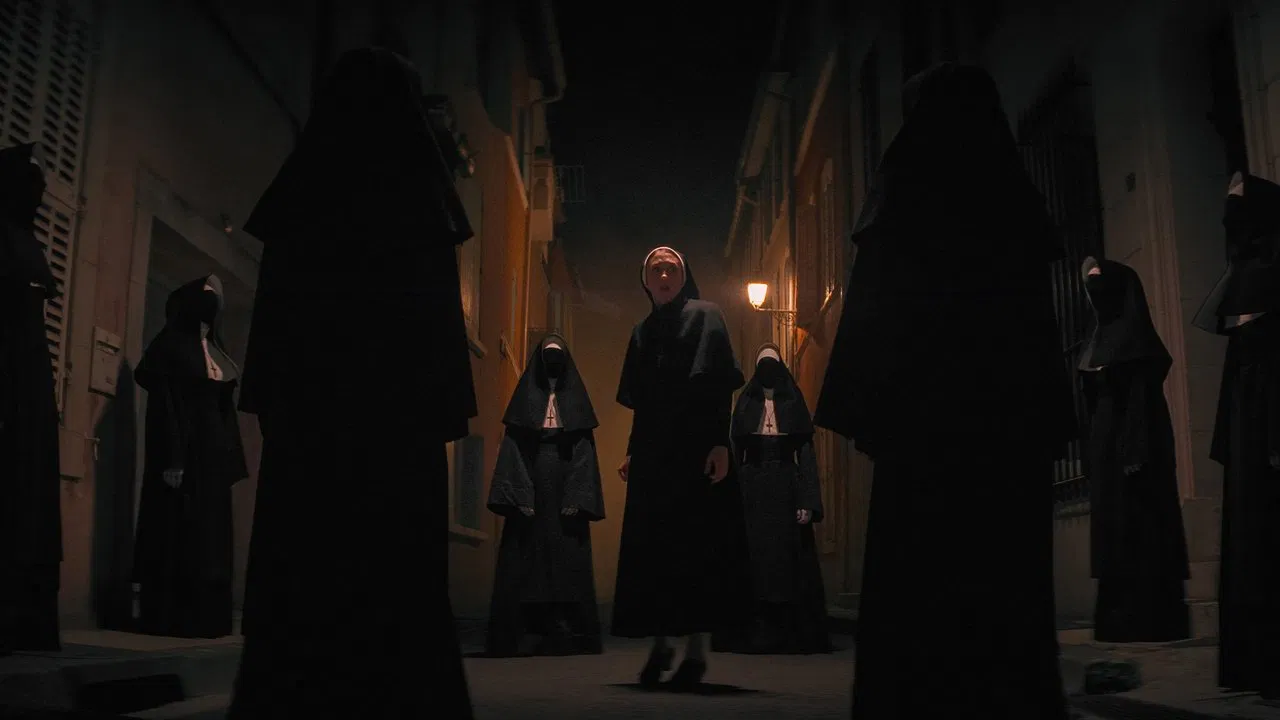
The Architecture of Faith and FearIn the sprawling, often uneven geography of the Conjuring Universe, *The Nun II* arrives not as a revelation, but as a sturdy, gothic buttress. Directed by Michael Chaves, who has become something of the house architect for this cinematic world (having helmed *The Curse of La Llorona* and the third *Conjuring* entry), the film attempts to answer a question that plagues many horror sequels: How do you maintain the terror of the divine when the deity has already been defined? The answer, Chaves suggests, lies less in the script and more in the shadows—specifically, the oppressive, textured darkness of 1956 France.
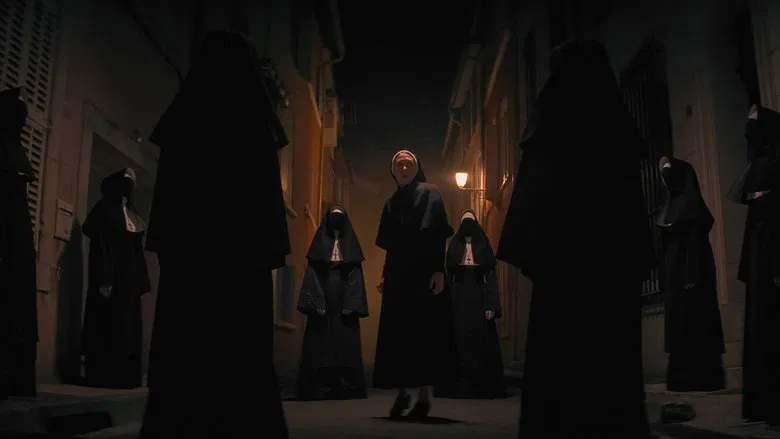
Visually, the film is a triumph of atmosphere over logic. Chaves and cinematographer Tristan Nyby abandon the jump-scare-heavy sterility of modern horror for something far more tactile. The screen is often bathed in deep ochres, bruised purples, and the suffocating grey of stone cloisters. We are not merely watching a boarding school; we are trapped in a reliquary. The camera lingers on dust motes and peeling paint, suggesting that evil is not an invader, but a resident fungus—ancient and systemic. This is most evident in the film’s standout sequence at a magazine stand, where the wind flips pages to form a collage of the demon Valak. It is a moment of pure visual invention, a reminder that cinema can still conjure nightmares from paper and air, bypassing the need for expensive digital monsters.
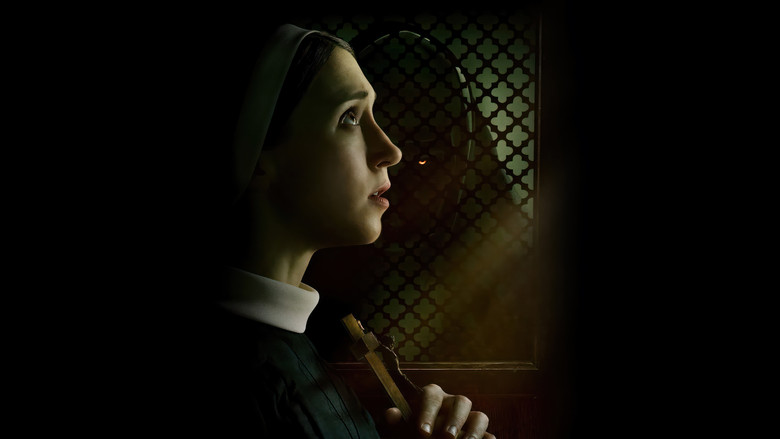
At the center of this storm stands Taissa Farmiga as Sister Irene. If the *Conjuring* films are about the strength of partnership, the *Nun* films are about the isolation of holiness. Farmiga delivers a performance of trembling resolve, her wide eyes reflecting not just fear, but a profound spiritual exhaustion. She is matched by Storm Reid’s Sister Debra, a novice whose crisis of faith provides the film’s thematic spine. While the screenplay often stumbles into exposition, the dynamic between these two women offers a compelling friction: one who believes because she has seen too much, and one who cannot believe because she has seen too little. Their journey is not just a monster hunt; it is a theological debate waged with holy water and fire.
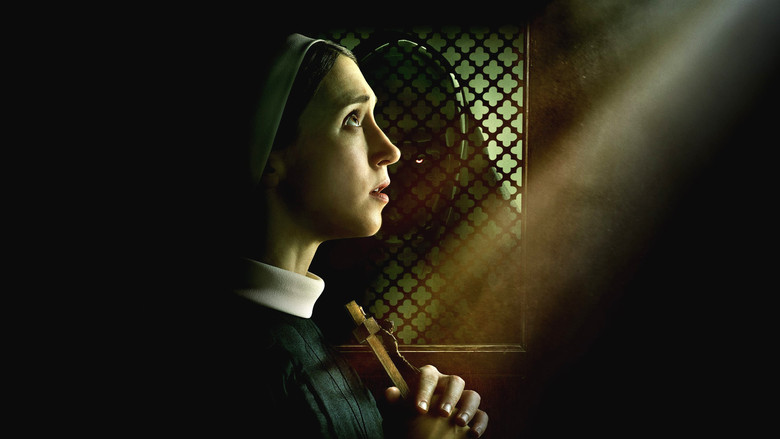
However, the film creates a ceiling for itself that it cannot quite break through. As the climax descends into a chaotic spectacle involving relics and levitation, the quiet dread of the first act evaporates. We are reminded that we are watching a franchise maneuver, a machine designed to keep the lights on at Warner Bros. The intimacy of the terror is traded for the bombast of a superhero finale, where faith becomes a superpower rather than a burden. The "demon nun" Valak, once a figure of blasphemous mystery, risks becoming a mere video game boss, stripped of the uncanniness that made her debut so unsettling.
Ultimately, *The Nun II* is a film of beautiful surfaces and hollow echoes. It is a significant technical improvement over its predecessor, painting with a richer palette and directing with a surer hand. Yet, it leaves us with the lingering sense that while the church is still standing, the mystery inside is slowly fading away. It succeeds as a gallery of gothic imagery, but struggles to truly haunt the soul.