✦ AI-generated review
The Crown is Heavy
Nostalgia is usually a comfort blanket, a soft return to the known. In the current landscape of Hollywood, "IP mining" often feels like a desperate attempt to sell us our own childhoods back at a premium. By all logic, *Bel-Air*—a gritty, one-hour dramatic reboot of the kaleidoscope-bright 90s sitcom *The Fresh Prince of Bel-Air*—should have been a cynical disaster. Instead, it arrived in 2022 as something far more arresting: a cultural corrective. If the original series was a party where everyone was invited to laugh, *Bel-Air* is the hangover, the morning-after realization that the climb from West Philly to the gated hills of Los Angeles was never a joke—it was a trauma.
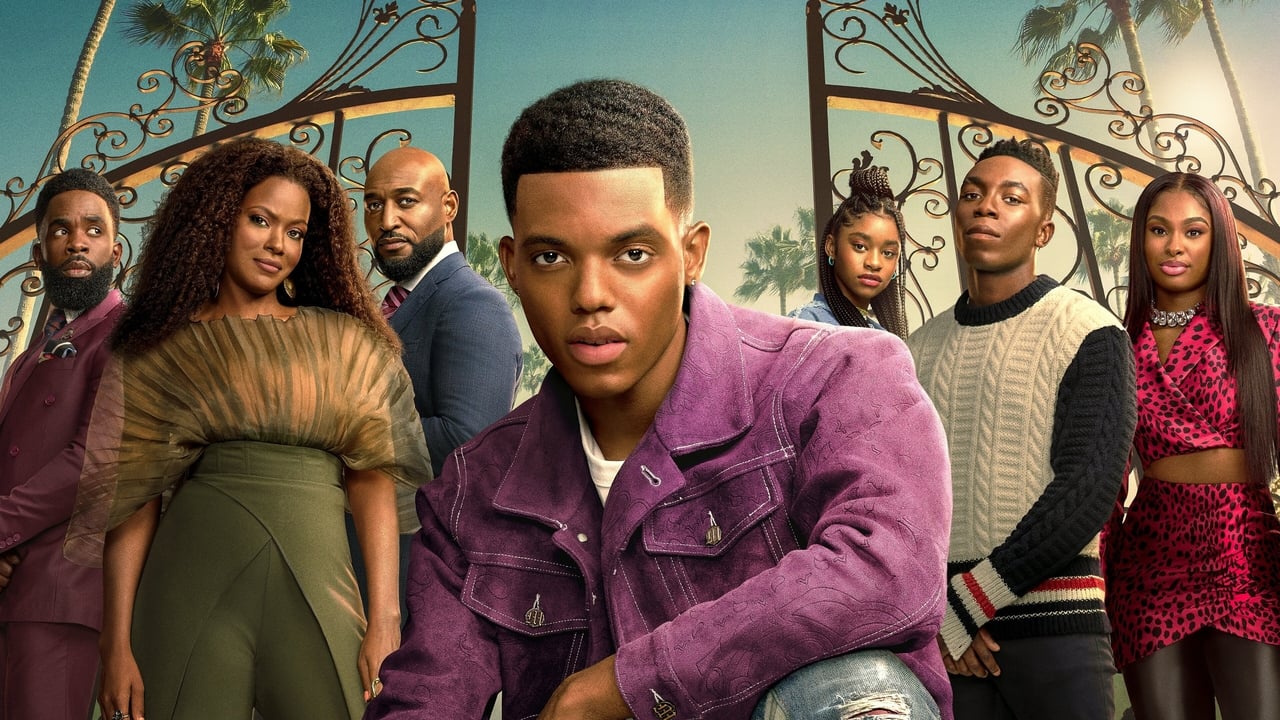
Based on Morgan Cooper’s viral concept trailer, the series fundamentally alters the visual language of the story. Gone are the flat, multi-camera stages and the comforting roar of a studio audience. In their place is a visual aesthetic of suffocating opulence. The cinematography bathes the Banks family mansion in a golden, relentless California sun that feels less like warmth and more like a spotlight under which no flaw can be hidden. The camera lingers on the excesses of wealth—the sprawling manicured lawns, the art collections, the designer wardrobes—turning them into a gilded cage. This is not just a change in genre; it is a change in perspective. We are no longer watching a fish out of water; we are watching a survivor of systemic inequality trying to breathe in thin air.
The show’s greatest gamble, and its most rewarding friction, lies in the relationship between Will (Jabari Banks) and Carlton (Olly Sholotan). In the 90s, Carlton was a comedic foil, his conservatism and Tom Jones dance moves rendered harmless by the laugh track. Here, Sholotan plays Carlton with a terrifying, coiled intensity. He is not a dork; he is a young man disintegrating under the pressure of excellence, medicating his anxiety with Xanax and wielding his proximity to whiteness as a shield. The antagonism between the cousins is no longer playground bickering; it is a violent clash of class and identity. When Will arrives, he doesn't just disrupt Carlton's social standing; he threatens the fragile assimilation Carlton has built his entire life around.
Jabari Banks, stepping into the sneakers of one of the most charismatic movie stars in history, performs a miracle of his own. He channels the original Will’s swagger but imbues it with a defensive, wounded edge. The "one little fight" that sent him to Bel-Air is shown here not as a plot device, but as a life-threatening altercation involving guns and police, grounding the character's displacement in genuine danger. We see the survivor's guilt in his eyes—the knowledge that he escaped a fate his friends back home did not.
*Bel-Air* occasionally stumbles under the weight of its own soap-opera melodrama, and its pacing can sometimes feel like it is stretching a 22-minute idea into a 60-minute runtime. Yet, it succeeds where so many reboots fail because it treats its characters not as assets, but as people. It asks the uncomfortable question the sitcom rarely could: What does it cost to be Black and wealthy in America? The answer, *Bel-Air* suggests, is that you can leave the streets, but you cannot buy your way out of the struggle for your own soul.