The Anatomy of TruthIn an industry often suffocated by the weight of its own opulence—where historical dramas frequently devolve into pageantries of silk and CGI dragons—*The Imperial Coroner* (2021) arrived as a quiet revolution. It possessed neither the A-list "traffic stars" that guarantee marketing algorithms nor the budget of a flagship production. Yet, director Lou Jian, a veteran filmmaker with a background in serious crime procedurals, crafted something far more resonant than a mere costume drama. He offered a meditation on the sanctity of truth in an era of manufactured lies.
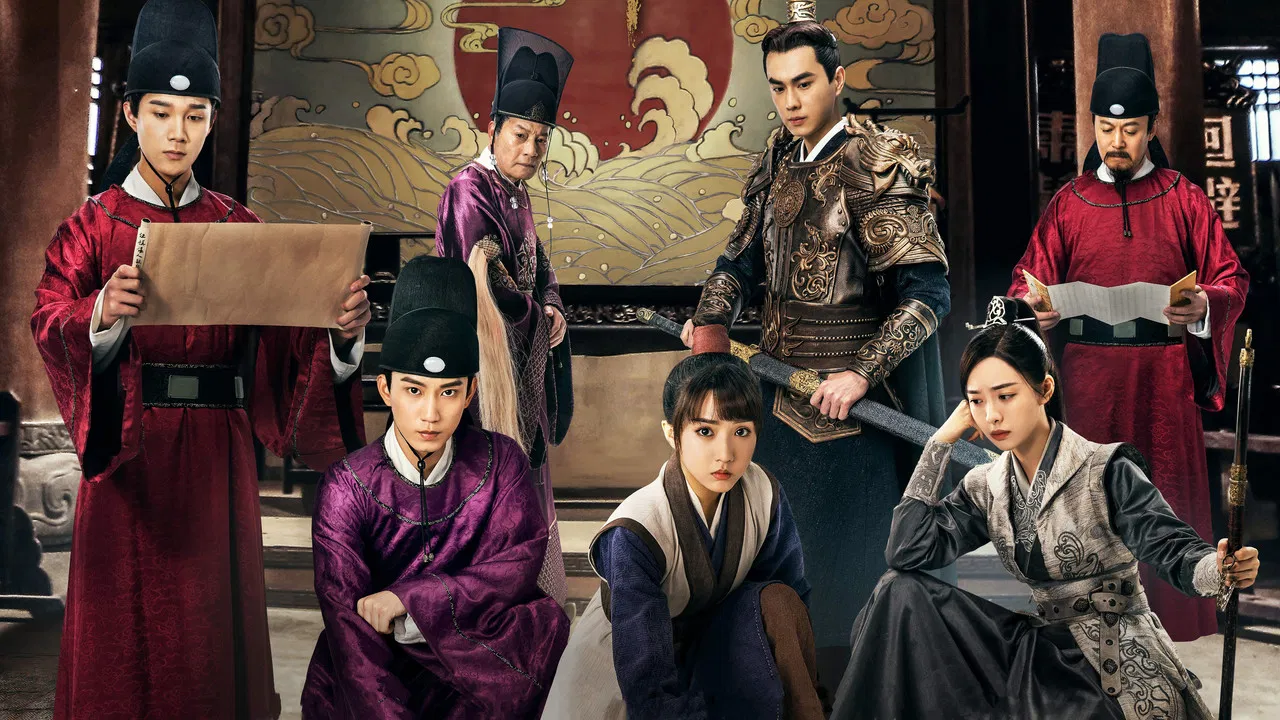
The series distinguishes itself immediately through its visual intellect. Where its contemporaries might lean on melodrama to sell a scene, *The Imperial Coroner* leans on forensic precision. The narrative follows Chu Chu, a young coroner from the margins of society, and Xiao Jinyu, a princely magistrate, as they navigate the decaying political landscape of the late Tang Dynasty.
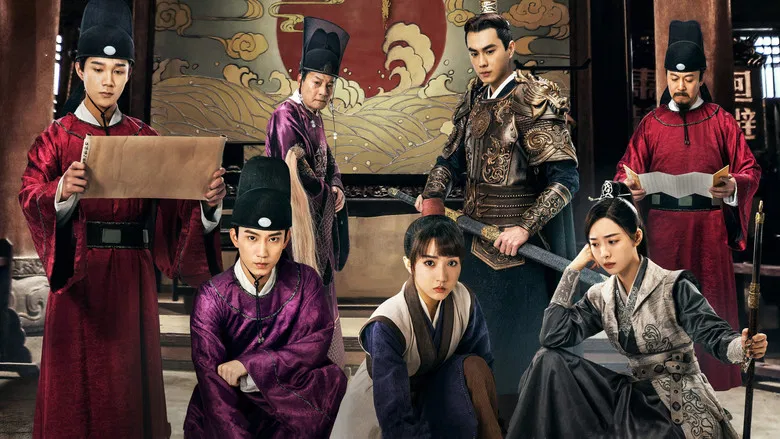
Director Lou Jian turns the show’s budgetary constraints into a unique stylistic signature. Unable to rely on gratuitous spectacle, the series utilizes stylized, comic-book-esque animations to depict the gruesome internal injuries of murder victims. This serves a dual purpose: it circumvents censorship regarding gore, but more importantly, it places the audience inside Chu Chu’s mind. We do not see death as a horror; we see it as she does—a puzzle of biology waiting to be solved. This visual device transforms the act of autopsy into a form of empathetic storytelling, respecting the dead by letting their bones speak the truth they can no longer utter.
At the heart of the series lies a relationship that defies the tired tropes of the genre. The bond between Chu Chu and Xiao Jinyu is not forged in accidental falls or misunderstood glances, but in the crucible of competence. It is a "love letter to professionalism." The romantic tension is derived entirely from intellectual synchronicity; he values her not for her innocence, but for her ability to see what he cannot.
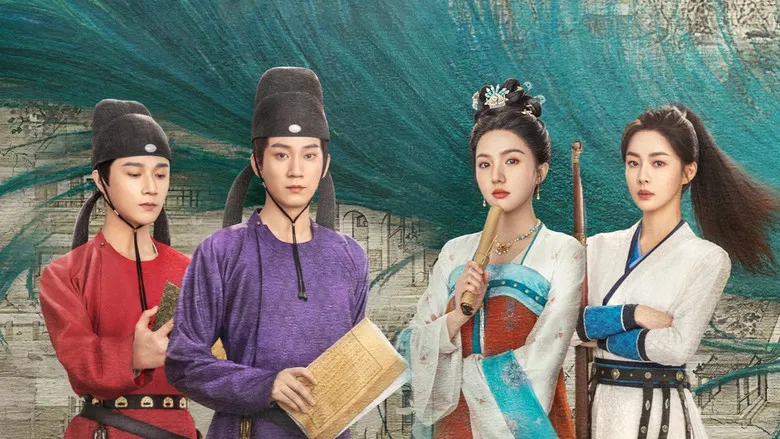
One of the show’s most celebrated recurring motifs is the "reenactment," where the leads physically roleplay the crime to test their theories. These scenes are intimate, not because they are sexualized, but because they require absolute trust. In a world populated by deceptive courtiers and power-hungry eunuchs, this shared pursuit of objective reality becomes the most romantic act possible. The script respects the audience’s intelligence by ensuring that characters communicate logically, refusing to let misunderstandings fester for the sake of cheap drama.
Beneath the procedural elements, the series hums with a darker historical current: the strangling grip of the eunuch faction on the Tang court. The villainy here is systemic. The antagonists are not merely mustache-twirling caricatures but symptoms of a bureaucracy that has rotted from the inside out. The film (presented here in serial form) argues that corruption thrives in the shadows, and that the coroner’s scalpel is a tool of political resistance.
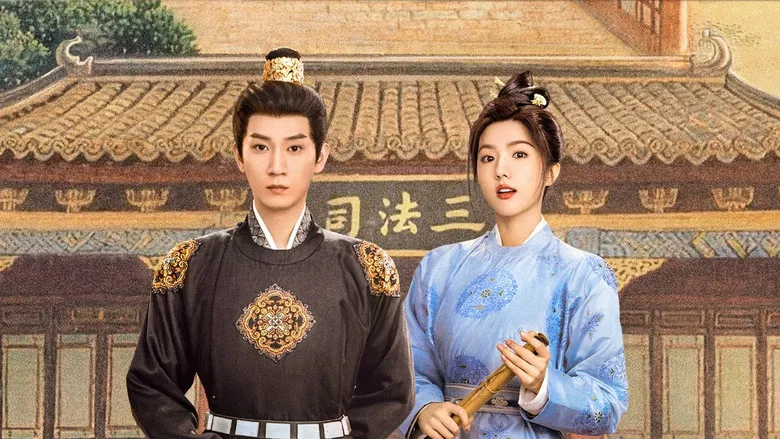
Ultimately, *The Imperial Coroner* succeeds because it possesses a moral clarity that is rare in modern television. It suggests that while the living may lie to protect their power, the dead possess an integrity that cannot be bribed. In the end, this is not just a story about solving murders; it is a story about the labor required to maintain justice in a crumbling world. It reminds us that the truth is not a given—it is something that must be excavated, examined, and fiercely protected.