✦ AI-generated review
The Panopticon in a Headband
In 2007, the world stood on a digital precipice. The first iPhone had just been released, Facebook was shedding its collegiate exclusivity, and a television series called *Gossip Girl* premiered on The CW to codify the new rules of engagement. While often dismissed at the time as a frothy confection of wealth porn and teenage angst, retrospect reveals the series as something far more distinct: it was a sociologically astute prophecy. Before Instagram influencers and "cancel culture" had names, *Gossip Girl* posited a world where privacy was a myth, reputation was a currency, and surveillance was the ultimate social lubricant.
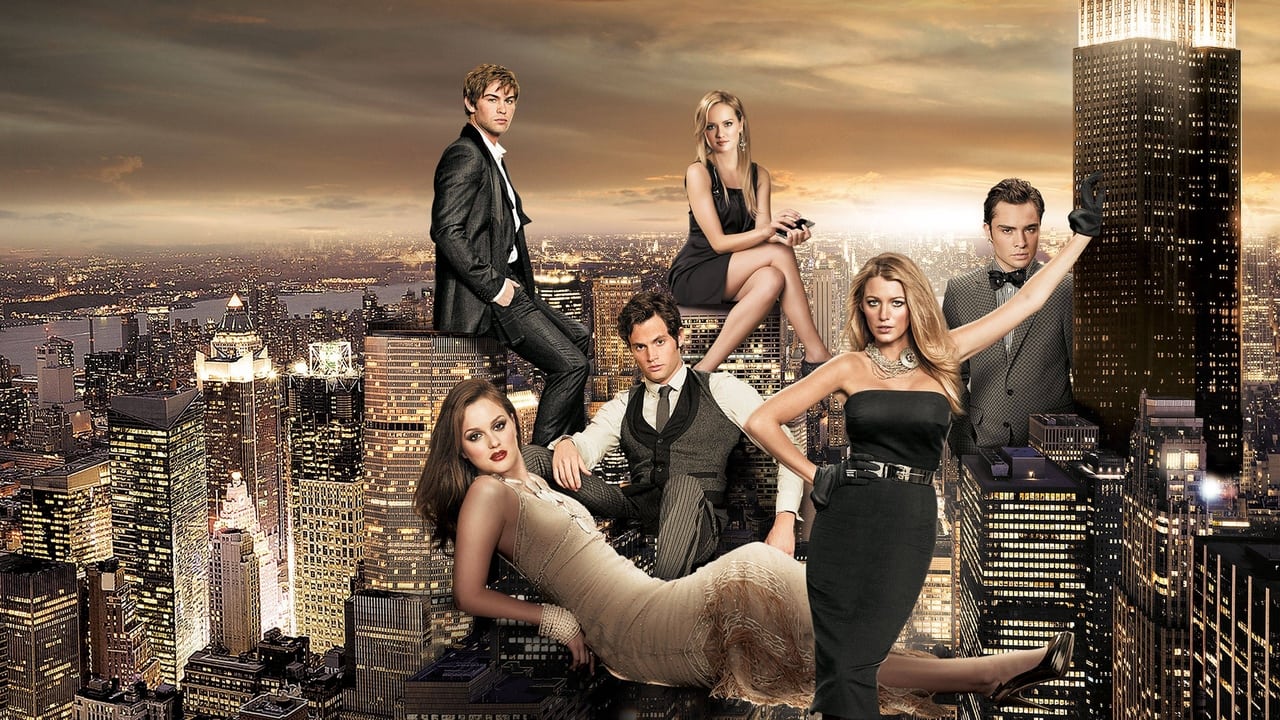
Visually, the series—developed by Josh Schwartz and Stephanie Savage—presents New York City not as a gritty metropolis, but as a hyper-saturated kingdom, a snow globe of old money and new anxieties. The camera gazes upon the architecture of the Upper East Side with a fetishistic gloss, turning the steps of the Met or the velvet interiors of the Palace Hotel into battlefields. Costume designer Eric Daman didn't just dress the characters; he armored them. The plaids, the primary colors, and the ubiquitous headbands of Blair Waldorf were not mere fashion statements; they were tribal markers, denoting a hierarchy as rigid and ruthless as anything in the court of Versailles. The series’ visual language is defined by the recurring motif of the "blast": the synchronized chime of cell phones, followed by the collective downward tilt of heads. In this gesture, the directors captured the exact moment human interaction fundamentally fractured.
At the center of this digital panopticon stands Blair Waldorf, played by Leighton Meester in a performance of startling depth. If the show’s nominal protagonist, Serena van der Woodsen (Blake Lively), is the effortless "It Girl"—a chaotic force of nature who glides through life on charisma alone—Blair is the striver, the politician, the Machiavellian tactician. Meester imbues Blair with a tragic, neurotic humanity. She is a young woman paralyzed by the pressure of perfection, terrified that without her schemes and her status, she might cease to exist. While the scripts occasionally veer into soap opera absurdity, Meester plays Blair’s insecurities with the gravity of a tragic heroine in an Edith Wharton novel, aware that her aristocratic world is slowly decaying around her.
The series is often criticized for its glamourous depiction of privilege, yet its core narrative is one of profound isolation. The characters are trapped in a feedback loop of observation. The "Gossip Girl" blogger—an omniscient narrator voicing the id of the city—is not an external villain, but a manifestation of their own collective narcissism. The eventual reveal of the blogger’s identity (which I will not spoil, though it reframes the entire series as a dark satire on the "outsider’s" desperation to belong) underscores the show’s most biting thesis: to be watched is to be validated.
Ultimately, *Gossip Girl* matters because it taught a generation how to perform their identities. It bridged the gap between the analog secrets of the past and the digital exposure of the future. We watched these characters destroy one another for sport, unaware that the show was holding up a mirror to our own impending obsession with curation and surveillance. The scandalous lives of Manhattan's elite were not a fantasy escape; they were a warning shot. We are all Gossip Girl now.