✦ AI-generated review
The Chemistry of Decay
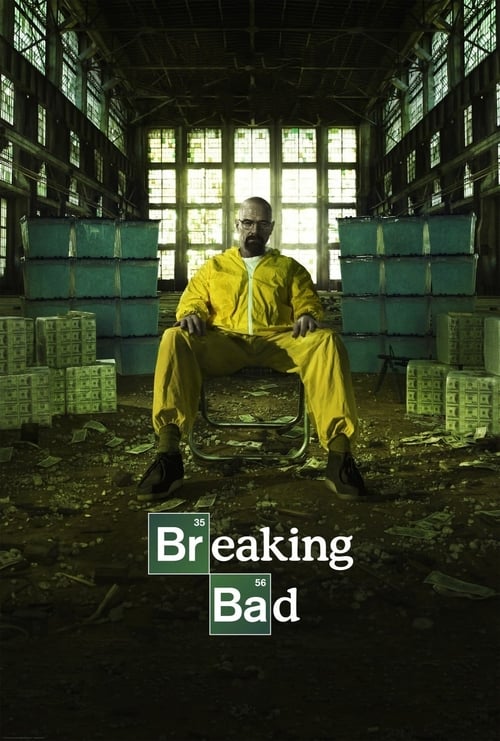
In the vast, arid expanse of the American television landscape, few works have dared to present a protagonist who is not merely flawed, but actively decomposing. *Breaking Bad* is not simply a crime drama; it is a five-season study in entropy. If chemistry is, as Walter White famously posits, "the study of change," then creator Vince Gilligan’s magnum opus is a rigorous, terrifying experiment in how a human soul transmutes from solid morality into volatile gas, eventually settling as toxic ash.
The narrative premise is deceptively simple—a terminal cancer diagnosis pushing a desperate man to manufacture methamphetamine—but under Gilligan’s direction, it becomes a Shakespearean tragedy played out in strip malls and desert scrub. We are not watching a "good man do bad things" for the sake of his family; we are watching a dormant narcissist finally awakening to his own monstrous potential. The cancer is merely the catalyst; the reaction is entirely Walter’s own.
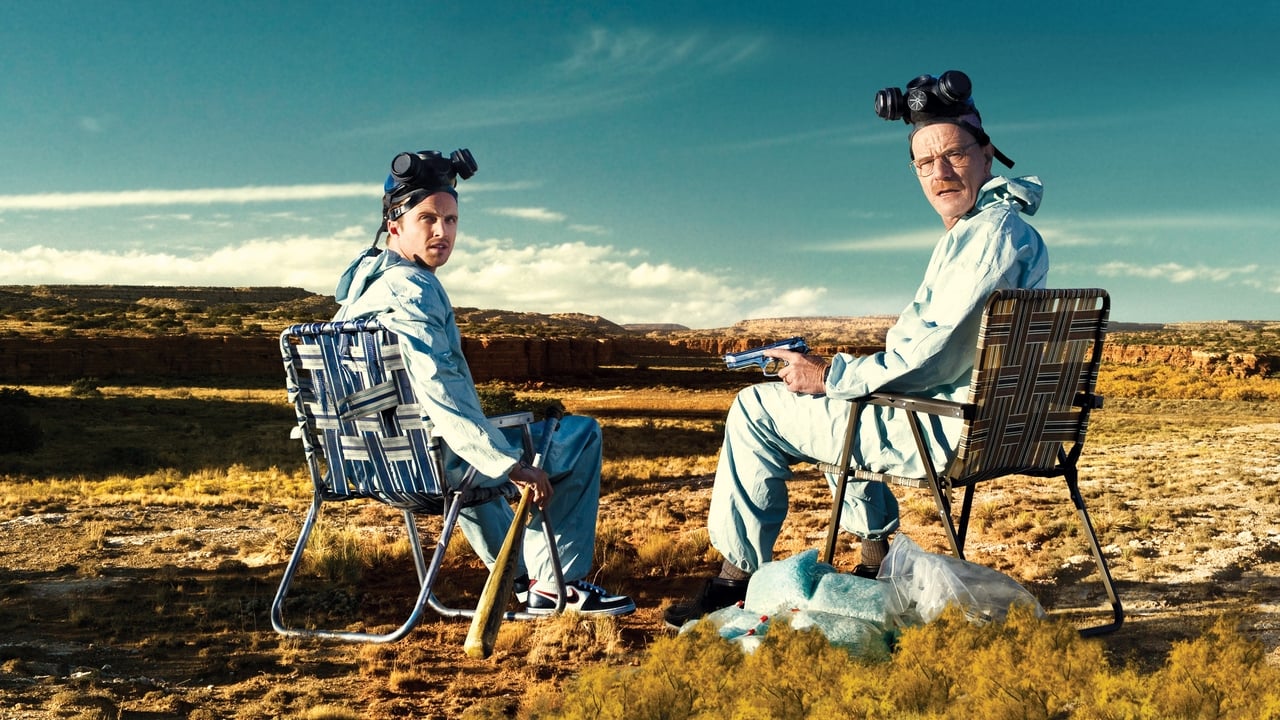
Visually, the series operates with a distinct, suffocating beauty. The cinematography, often helmed by Michael Slovis, utilizes the New Mexico desert not just as a setting, but as a silent, judging witness. The relentless sun bleaches the color out of the world, leaving behind a stark palette of ochres and terrified blues. The camera finds uncomfortable intimacy in the grotesque—a dissolving bathtub, a crushed tortoise, a fly buzzing in a sterile lab—forcing us to confront the physical reality of violence that other genre entries sanitize. The show’s predilection for unusual point-of-view shots—looking up from the bottom of a bucket or the inside of a dryer—creates a sense of claustrophobia, trapping the viewer in the consequences of Walter’s actions just as surely as he is trapped by his own lies.
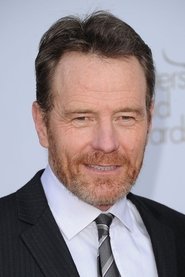
At the heart of this decay is Bryan Cranston’s towering performance. He infuses Walter White with a pathetic, wounded pride that is far more dangerous than simple greed. The tragedy of the series is not that Walter dies, but that he lives long enough to shed every skin that made him human. In the harrowing "Crawl Space" sequence, as the camera pulls up and away from Walter lying in the dirt under his house, laughing maniacally while framed like a corpse in a grave, we see the visual thesis of the show: he has buried himself long before his heart stops beating. He is Ozymandias in his underwear, despairing at the empire he built on a foundation of sand.
Yet, the show’s emotional gravity is often anchored by Aaron Paul’s Jesse Pinkman, the bruised moral compass of the narrative. If Walt is the intellect that rationalizes evil, Jesse is the spirit that suffers for it. His torture is the audience’s torture; his exploitation is the ultimate indictment of Walter’s "fatherly" manipulation.
*Breaking Bad* remains a singular achievement because it respects the intelligence of its audience enough to deny them a simple hero. It demands we sit with the discomfort of rooting for a villain, only to slowly realize we are complicit in his rise. It is a masterpiece of inevitable destruction, proving that while actions have reactions, some stains can never be washed away.