✦ AI-generated review
The Throne of Broken Glass
In the early 2010s, television underwent a tectonic shift, and at the epicenter stood *Game of Thrones*. Adapted from George R.R. Martin’s *A Song of Ice and Fire*, the series did not merely popularize fantasy; it brutalized it. For the better part of a decade, this was not a show about dragons or ice zombies, but a sociological experiment concerning power, consequence, and the terrifying fragility of order. It was a cultural monolith that demanded our attention, only to eventually unravel in a way that questioned the very nature of cinematic storytelling.
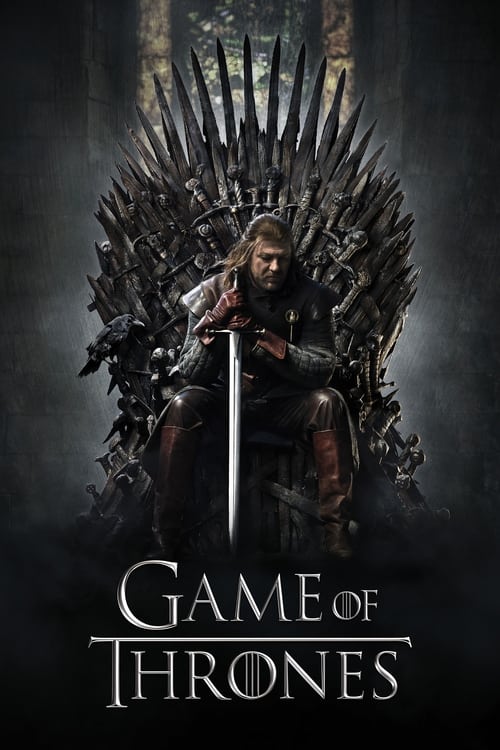
At its zenith, the series flourished by rejecting the comforting tropes of its genre. In traditional fantasy, the hidden prince saves the kingdom and the honorable father survives to see his children grow. *Game of Thrones* shattered this contract in its first season with the execution of Ned Stark. This was its central thesis: honor is a suicide pact in a corrupt system. The "Red Wedding" in Season 3 remains the show’s defining scar—a moment of violence so sudden and absolute that it felt less like a plot twist and more like a historical tragedy. The directing in these early years was claustrophobic and intimate, relying on the dimly lit verbal sparring of characters like Varys and Littlefinger, where a whispered threat in a brothel held more weight than a pitched battle.
However, as the series eclipsed its source material, a distinct shift occurred in its visual and narrative language. The showrunners, David Benioff and D.B. Weiss, traded the intricate political machinery of the early seasons for the broad strokes of a blockbuster. The visual landscape expanded breathtakingly—the *Battle of the Bastards* is a suffocating masterpiece of cinematography, capturing the chaotic, muddy terror of medieval warfare—but the narrative architecture began to creak. The show morphed from a slow-burn study of consequences into a sprint toward predetermined plot points. Characters who once navigated complex moral gray areas began making decisions that felt dictated by the writers' room rather than their own internal logic.
This dissonance culminated in the final season, a polarizing coda that felt like a betrayal of the show’s patient rhythm. The tragic descent of Daenerys Targaryen—conceptually a profound exploration of how messianic delusion curdles into tyranny—was accelerated until it blurred into incoherence. The "bells" that signaled the destruction of King's Landing rang hollow because the emotional groundwork had been skipped in favor of spectacle. The detailed tapestry of Westeros, once woven with threads of cause and effect, was slashed with a sword.
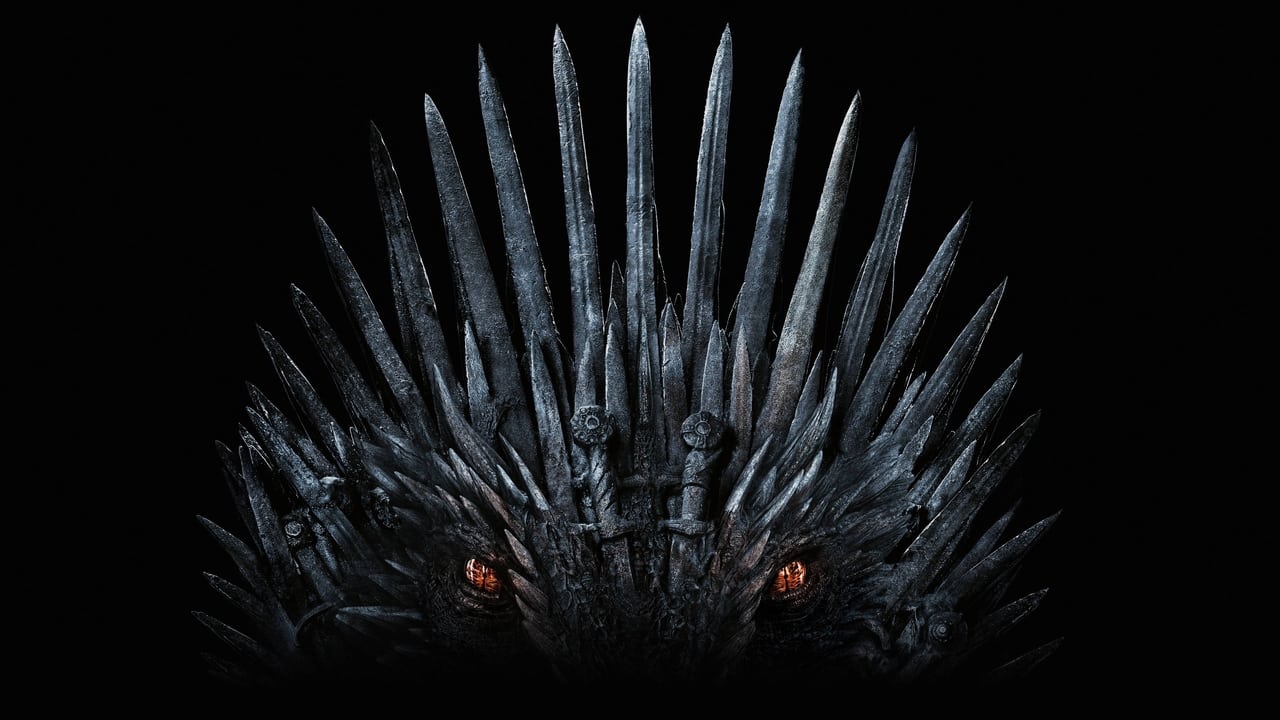
Ultimately, *Game of Thrones* stands as a monument to sheer ambition. It proved that television could wield the scope of cinema, creating a shared global experience that may never be replicated in our fragmented media landscape. Yet, it also serves as a cautionary tale. It demonstrated that while high-budget CGI can build dragons, it cannot mask the absence of the human heart. We are left with a series that is half masterpiece, half ruin—a magnificent, broken throne that we cannot help but look at, remembering the glory of what it once was.