✦ AI-generated review
The Eternal Punchline
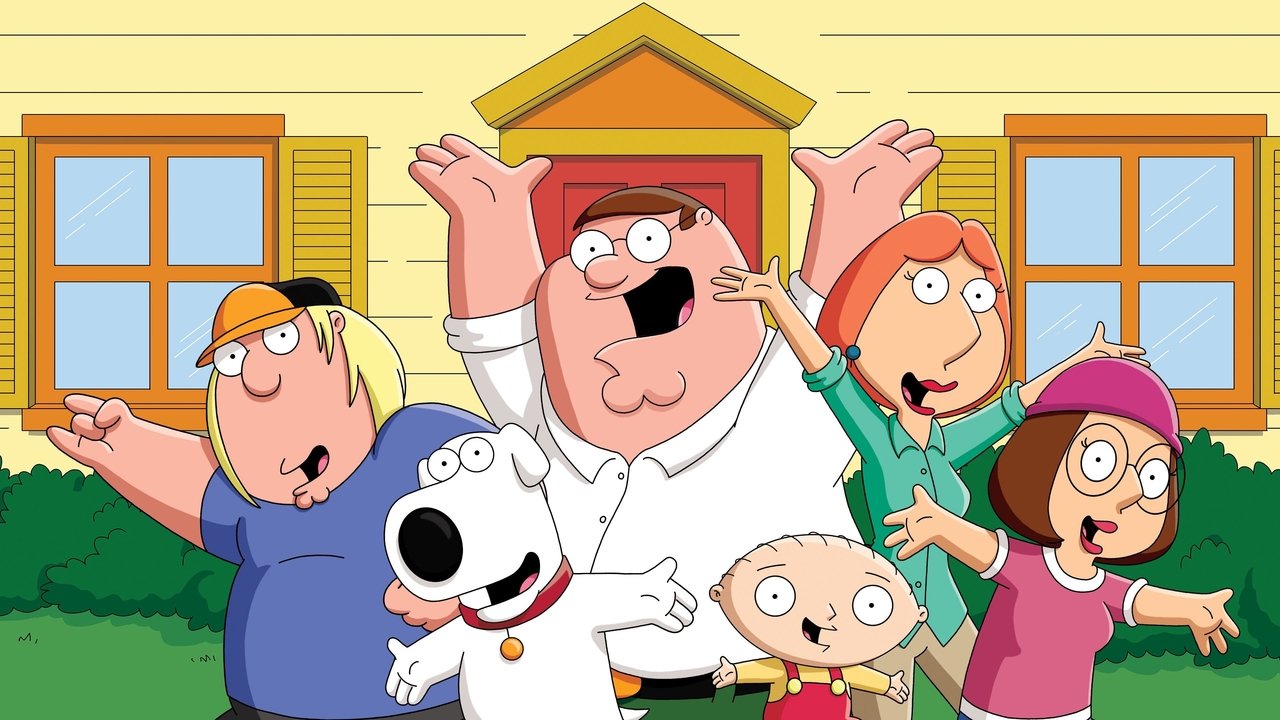
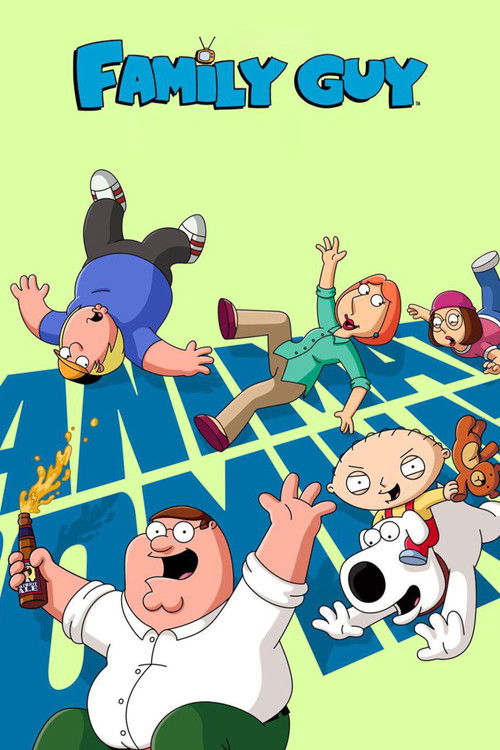
If American sitcoms are a mirror, *Family Guy* is a funhouse reflection smashed with a sledgehammer, the shards glued back together in the wrong order. Premiering in 1999, canceled twice, and resurrected by the sheer brute force of DVD sales and insomniac cable viewership, Seth MacFarlane’s animated juggernaut is less a television series and more a cultural cockroach—unkillable, ubiquitous, and feeding on the refuse of pop culture. To critique it as a standard narrative is to misunderstand its fundamental nihilism. It is not a story about a family; it is a Dadaist experiment in how far a joke can be removed from its context before it ceases to be funny.
Visually, the show operates with a deceptive flatness. The animation, particularly in later seasons, is rigid and utilitarian, a stark contrast to the fluid expressiveness of its predecessor, *The Simpsons*. But this stiffness serves a purpose: it creates a deadpan canvas for the show’s defining mechanism—the Cutaway Gag. When Peter Griffin says, "This is worse than that time I was a tour guide for deaf people," the narrative literally dissolves. We are transported to a vacuum where the plot does not exist, only the punchline. This technique is aggressive, almost hostile to the idea of storytelling. It suggests that the emotional reality of the characters is secondary to the immediate dopamine hit of a reference. The "manatee gag" (as famously satirized by *South Park*) isn't just lazy writing; it is an argument that in the internet age, history and context are irrelevant—only the isolated image matters.
Yet, amidst this chaotic firing of non-sequiturs, a beating heart manages to survive, though it is often cynical and weary. The emotional core of *Family Guy* does not reside in the marriage of Peter and Lois, which is depicted as a grotesque endurance test, but in the relationship between Brian and Stewie. They are the show’s intellectual exiles—a sophisticated baby and a pretentious dog trapped in a world of aggressive stupidity. The "Road to..." episodes, paying homage to the Bing Crosby/Bob Hope films, strip away the cutaways to focus on their chemistry. Here, we see a genuine exploration of ego, mortality, and companionship. Brian’s fraudulence as a writer and Stewie’s suppressed vulnerability create a dynamic that is surprisingly tender. They are the only two characters who seem to realize they are trapped in a farce, finding solace only in each other’s wit.
Ultimately, *Family Guy* changed the grammar of modern comedy. It decoupled the joke from the situation, paving the way for the surreal, rapid-fire humor of TikTok and meme culture. It is a show that demands nothing from its audience but recognition. It may often collapse under its own cruelty or tedious reliance on shock, but its survival proves a darker truth about the audience: sometimes, we don't want a story. Sometimes, we just want to watch the chicken fight the man, forever, for no reason at all.