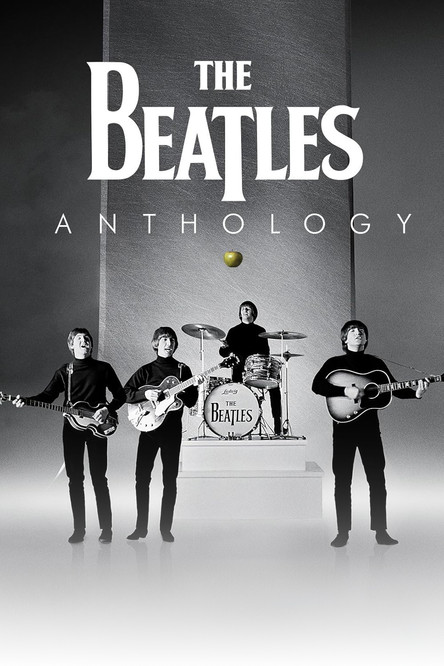
The Long and Winding TruthMusical biographies often suffer from the "Great Man" syndrome—polishing rough edges until the subject becomes a marble statue, cold and untouchable. When *The Beatles Anthology* arrived in 1995, the danger was even more acute: how do you humanize deities who had effectively invented modern pop culture? The answer, spanning hours of archival footage and contemporary interviews, was not to polish the statue, but to let the men themselves chip away at the pedestal. It is less a documentary and more a reclamation of memory, a sprawling, oral history where the "Fab Four" finally wrestle the pen away from the tabloids and historians to write their own ending.

Visually, the series is a collage of chaos and quietude. The directors (Geoff Wonfor and Bob Smeaton) utilize a "scrapbook" aesthetic that mirrors the fragmented nature of memory itself. We aren't just given polished concert clips; we are submerged in the grainy, handheld reality of their lives. The visual language shifts from the claustrophobic hysteria of Beatlemania—where the camera shakes with the kinetic energy of screaming teenagers—to the pastoral, almost monastic silence of the Friar Park gardens where a middle-aged George Harrison reflects on the madness. This contrast creates a suffocating sense of reality; you physically feel the walls closing in on them during the height of their fame, explaining their retreat into the studio better than any narrator could.

The heart of *Anthology*, however, lies in its ghosts—specifically, the presence of John Lennon. Through archival interviews woven seamlessly into conversations with the surviving three, Lennon is given a seat at the table. The editing here is not just technical; it is emotional alchemy. In one moment, Paul McCartney, George Harrison, and Ringo Starr are sitting in a garden, playfully bickering like the brothers they were, and the next, Lennon’s acerbic wit cuts through from 1970, completing the thought. The "Threetles" reunion sessions, particularly the production of "Free as a Bird," serve as the emotional anchor. Watching these graying legends gingerly approach Lennon’s rough demo tape is not "fan service"; it is a séance. The hesitation in their eyes reveals the weight of their shared trauma and the love that survived the lawsuits.

Ultimately, *The Beatles Anthology* stands as the definitive testament to the band not because it includes every fact, but because it captures the emotional truth of their journey. It rejects the sanitized myth in favor of a messier, warmer reality: four working-class friends who were swept up in a hurricane of their own making, and somehow survived to tell the tale. It is a monumental archive of the 20th century’s most significant cultural shift, proving that while the music was magic, the men were wonderfully, heartbreakingly human.