The Dream of the Blue RoseTelevision, prior to 1990, was largely a medium of reassurance. It was a domestic utility designed to comfort, to solve the crime in forty-five minutes, and to affirm the stability of the suburban moral order. Then came *Twin Peaks*, drifting into living rooms like a fog rolling off the Douglas firs, carrying with it a scent both sweet and necrotic. Created by David Lynch and Mark Frost, this was not merely a procedural about a dead homecoming queen; it was a subversion of the American soap opera, a surrealist poem interrupting the broadcast signal, and a definitive moment where the medium of television finally grew up to meet the complexities of cinema.
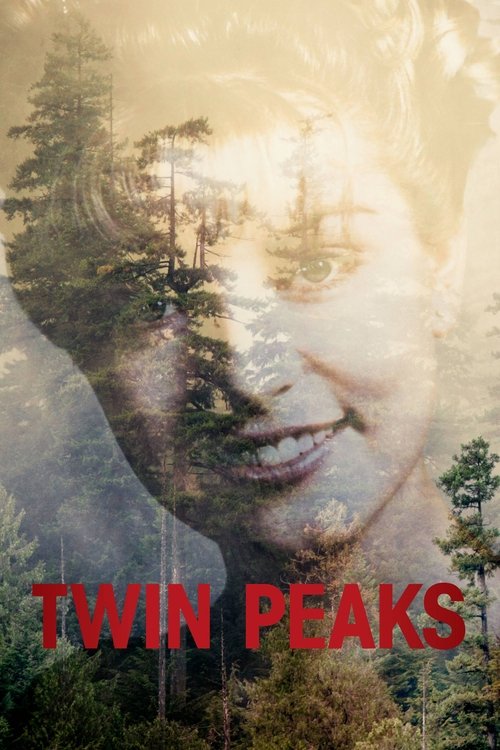
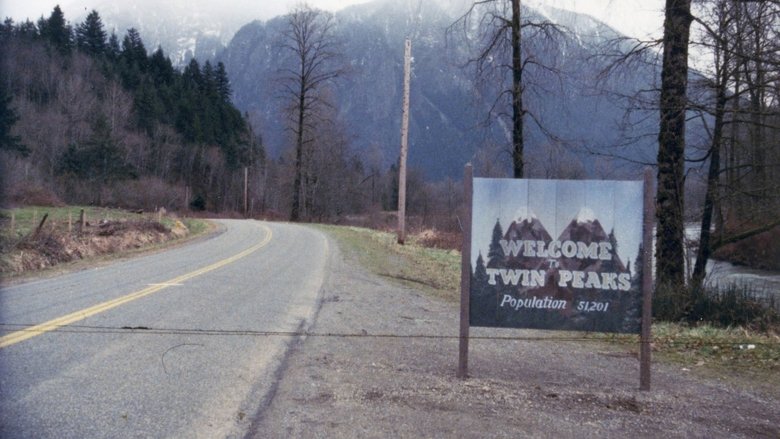
The inciting incident is etched into our collective pop-culture consciousness: the body of Laura Palmer, wrapped in plastic, washing ashore like detritus from a darker world. Yet, what Lynch and Frost construct from this grisly discovery is not a hunt for a killer, but an excavation of a community’s soul. The town of Twin Peaks is a place of duality, reflecting the director's career-long fascination with the rot beneath the white picket fence. The visual language is distinct—a collision of Norman Rockwell warmth and Francis Bacon horror. We are given the comforting iconography of diner coffee and cherry pie, only to have it soured by the flickering electricity of a morgue or the guttural screams of a grieving mother. The mundane becomes menacing; a ceiling fan is no longer just an appliance, but a rhythmic, spinning observer of unspeakable acts.
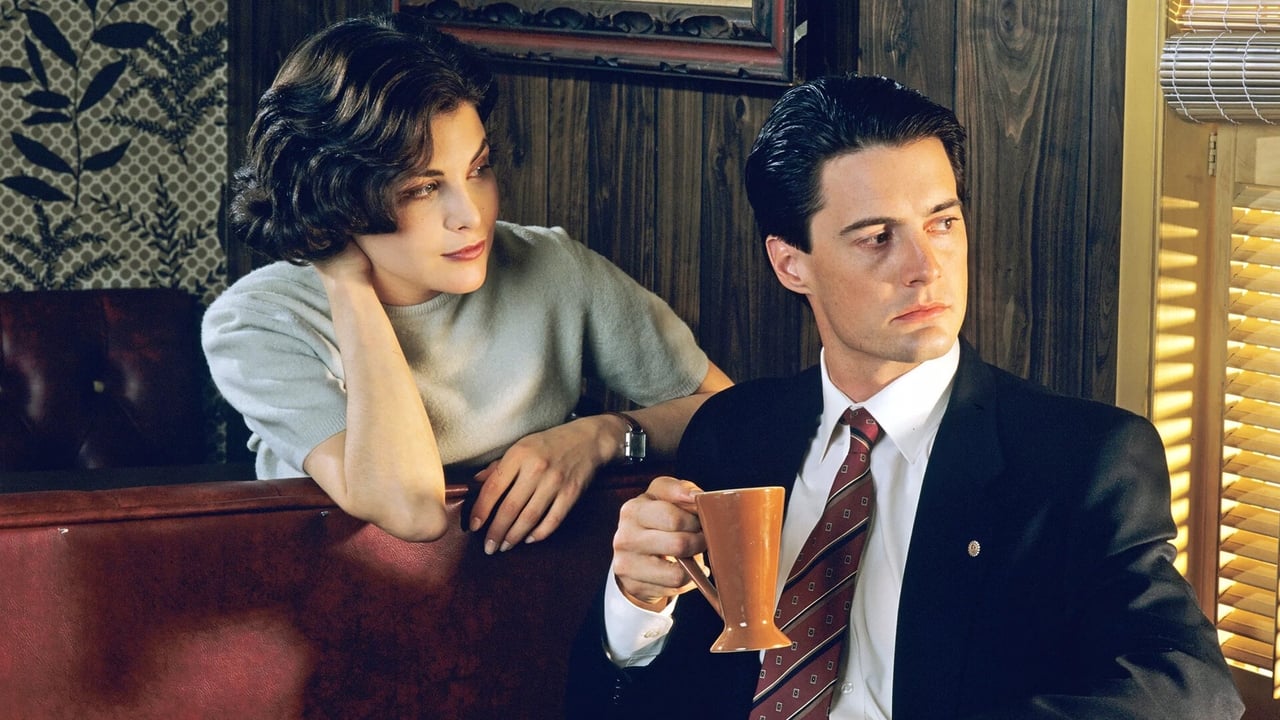
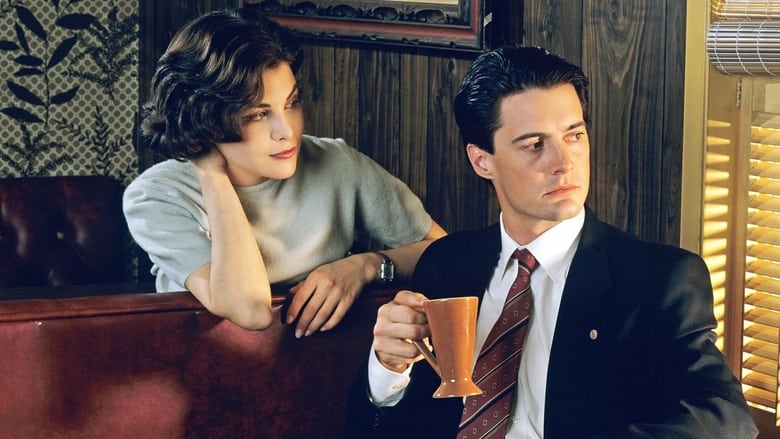
At the center of this maelstrom stands Special Agent Dale Cooper, played with buoyant, almost boyish mysticism by Kyle MacLachlan. Cooper is the quintessential Lynchian hero: a man of law and order who nevertheless operates on intuition and dream logic. He does not solve the case through forensics alone, but by throwing rocks at bottles and communing with giants in hallucinatory red rooms. This brings us to the show’s most radical departure: its treatment of the metaphysical. The Red Room—with its chevron floor and backward-talking entities—isn't just a stylistic flourish. It is a manifestation of the subconscious, a space where the linear narrative dissolves into pure sensation. It suggests that evil is not just a human failing, but an ancient, intangible force—specifically, "Bob"—that can inhabit anyone. This pivot from whodunit to cosmic horror alienated some viewers at the time, but it remains the show's most enduring artistic triumph.
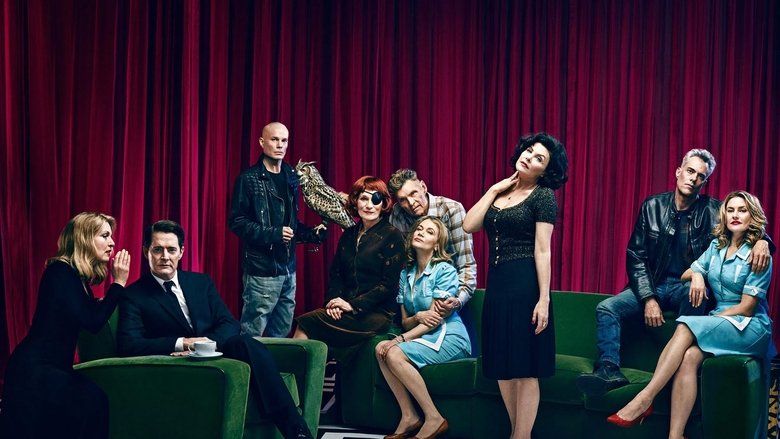
Ultimately, *Twin Peaks* is a tragedy about the exploitation of innocence. Laura Palmer is not merely a prop; she is a ghostly presence that haunts every frame, a symbol of the secrets we keep to maintain social cohesion. The series posits that the evil in the woods is inextricably linked to the evil in the living room. While the narrative arguably loses its tension after the network-mandated reveal of the killer in the second season, the show’s legacy is untouchable. It taught audiences that it was acceptable to be confused, to be terrified, and to find beauty in the inexplicable. It paved the way for the golden age of television drama that followed, proving that the small screen could hold mysteries vast enough to drown in.