The Human Scale of CatastropheCinema has long struggled with the "Kaiju problem": how do you sustain the awe of a three-hundred-foot lizard when he isn't crushing a skyscraper? The blockbuster films of the MonsterVerse often solve this by simply discarding the humans, reducing them to screaming ants or exposition machines while the titans wrestle. *Monarch: Legacy of Monsters*, however, attempts something far more ambitious and surprisingly tender. It dares to ask what happens when the dust settles, the cameras turn off, and the survivors are left to sweep up the radioactive ash of their ruined lives.
The series, developed by Chris Black and Matt Fraction, operates less as a creature feature and more as a multigenerational mystery about the cost of secrets. It reframes the events of Gareth Edwards’ 2014 *Godzilla* not as a global spectacle, but as a singular, traumatic event—"G-Day"—that shattered the world’s sense of safety.
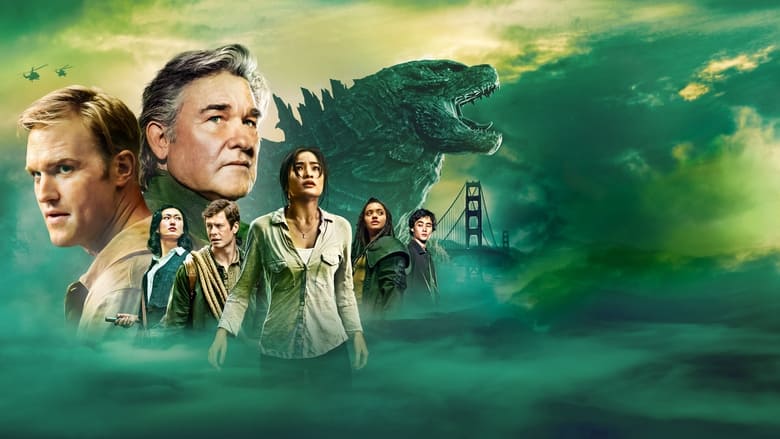
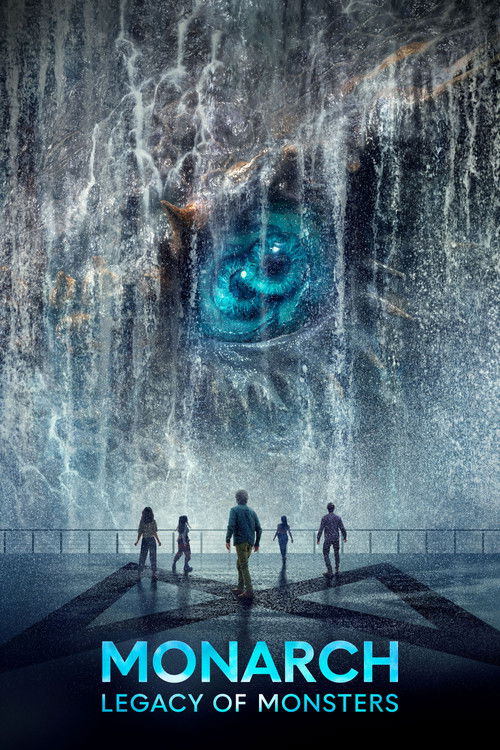
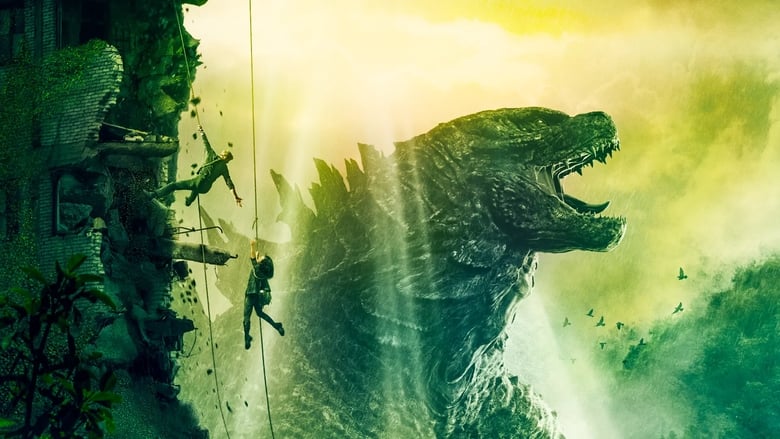
Visually, the show distinguishes itself by committing to a "ground-level" perspective. While the films indulge in sweeping aerial shots of monster brawls, *Monarch* restricts its gaze to the human eyeline. When Godzilla appears, he is often fragmented—a dorsal fin slicing through the fog, a foot crushing a bridge, a terrifying roar heard from inside a shaking bus. This restraint serves the narrative beautifully. The monsters are not characters here; they are natural disasters, forces of nature that are indifferent to the havoc they wreak. The visual language conveys a suffocating sense of reality, where the horror isn't just the monster itself, but the bureaucracy, the displacement, and the paranoia that follows in its wake.
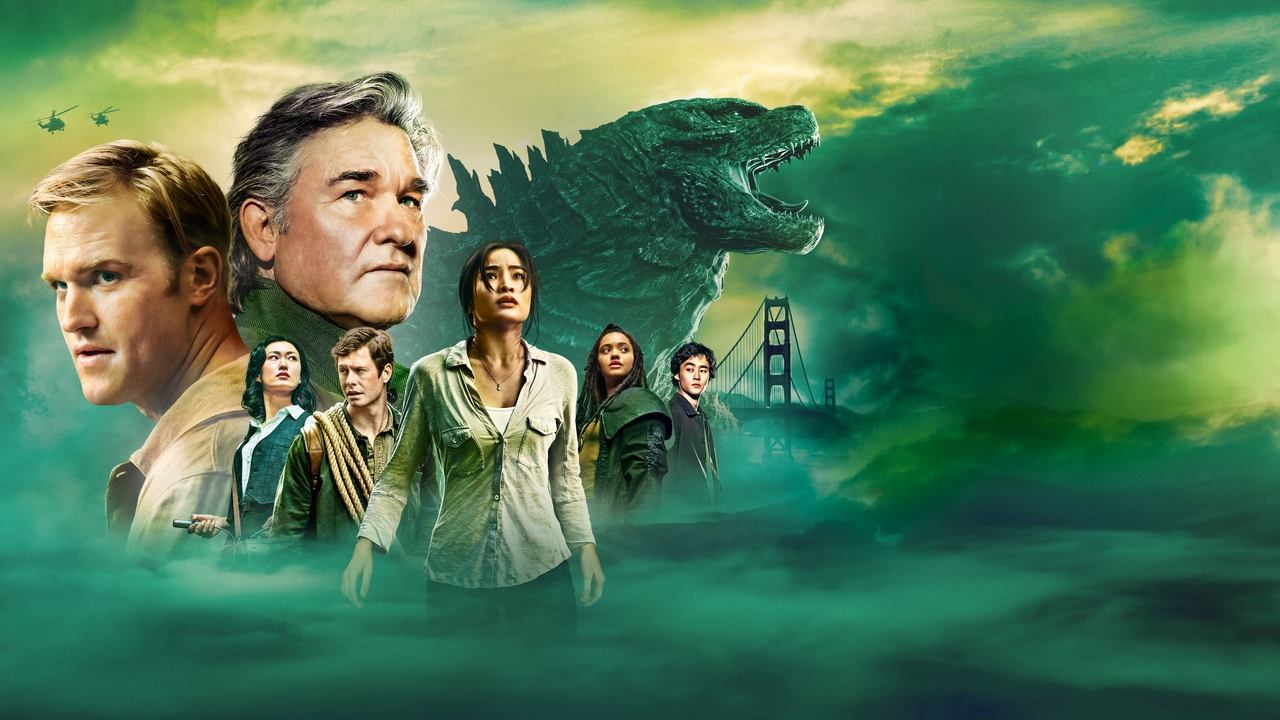
The series creates a fascinating structural dialogue by oscillating between two timelines: the paranoid, post-G-Day world of 2015 and the adventurous, optimistic dawn of the Monarch organization in the 1950s. The transition between these eras is anchored by the show’s greatest artistic coup: the casting of Wyatt Russell and his father, Kurt Russell, as the same character, Lee Shaw.
This casting is more than a gimmick; it is the show’s emotional spine. Wyatt brings a rugged, wide-eyed idealism to the young officer discovering a world of wonders, while Kurt inhabits the older Shaw with a weary, charming cynicism—a man who has seen the wonder turn to weaponization. Watching the younger Shaw’s hope curdle into the older Shaw’s regret provides a tragic texture that special effects simply cannot replicate.
While the modern-day storyline occasionally sags under the weight of melodramatic family squabbles, the 1950s timeline crackles with the energy of scientific discovery, reminiscent of a darker *Indiana Jones*. The tragedy of the Randa family—played with palpable grief by Anna Sawai and Ren Watabe—ground the fantastical elements. Sawai, in particular, excels as Cate, a woman whose PTSD is treated not as a plot device to be overcome, but as a persistent, jagged wound.
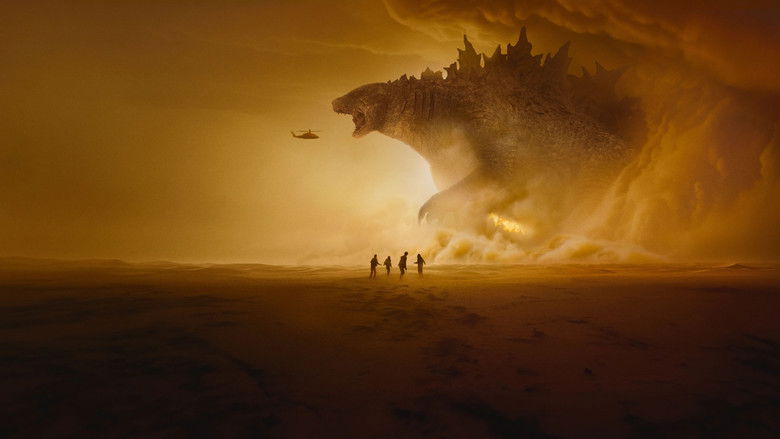
Ultimately, *Monarch: Legacy of Monsters* succeeds because it understands that the most interesting thing about a monster is the shadow it casts. It is a show about legacy—the genetic trauma we inherit from our parents and the geopolitical trauma we inherit from our governments. It argues that while we may be powerless to stop the titans, we are defined by how we survive them. In a genre often defined by noise, *Monarch* finds its power in the quiet terror of the aftermath.