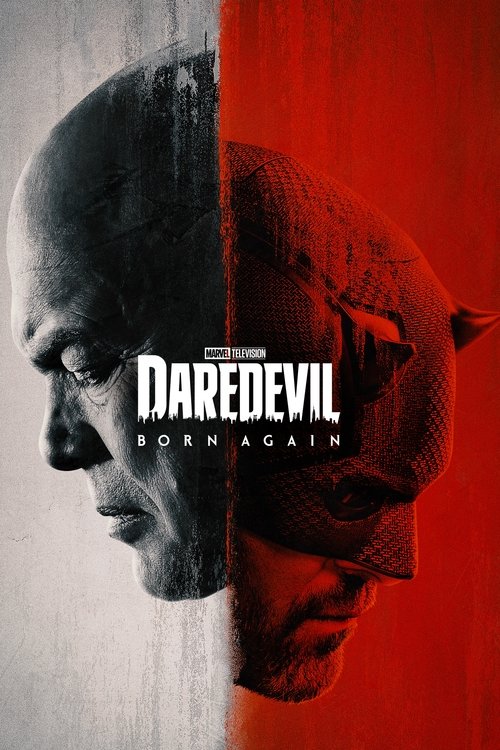
The Architecture of AtonementIn the landscape of modern myth-making, resurrection is usually a cheap trick—a narrative reset button pressed to extend a franchise’s shelf life. However, *Daredevil: Born Again* arrives carrying a heavier burden than the typical superhero sequel. It is tasked with resurrecting a specific texture of reality that was thought lost: the bruised, street-level intimacy of Hell’s Kitchen, previously severed from the glossier machinery of the cinematic universe it inhabits. What emerges in this 2025 iteration is not merely a return to form, but a mature meditation on the cyclic nature of violence and the impossibility of burying the past.
The fear surrounding this revival was that the rough edges would be sanded down—that the blood would be less red, the nights less dark. Yet, the series defies the sanitization often demanded by broader platforms. The directors understand that Matt Murdock’s world is defined by chiaroscuro; he exists in the interplay of shadow and sensory overload.

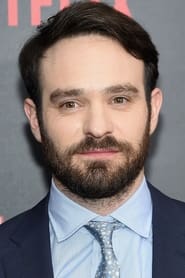
Visually, the show retains a claustrophobic beauty. The camera lingers on the architecture of New York not as a gleaming metropolis, but as a cage of brick and steam. The action sequences, historically the character's calling card, have evolved. They are less about the balletic "cool" of combat and more about the exhaustion of it. When Charlie Cox’s Daredevil throws a punch, you feel the fatigue in his shoulder; when he takes a hit, it is not a plot point, but a consequence. The violence here is heavy, ugly, and necessary, serving as a physical manifestation of Murdock’s internal Catholic guilt—the idea that suffering is a form of prayer.
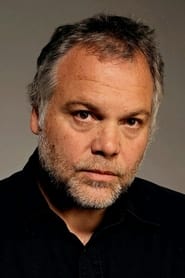
But a hero is only as compelling as the shadow he casts, and Vincent D'Onofrio’s Wilson Fisk remains a titan of antagonist cinema. The genius of this iteration lies in the shift of the battlefield. We move from back-alley brawls to the brightly lit, terrifying arena of legitimate politics.
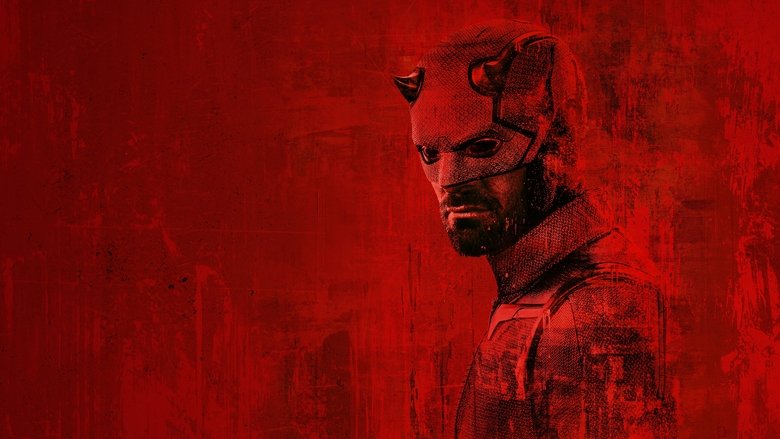
The "Mayor Fisk" storyline transforms the show from a crime procedural into a political tragedy. D'Onofrio plays Fisk with a simmering, repressed quietude that is infinitely more threatening than his outbursts. The central conflict is no longer just about stopping a crime lord; it is about battling a man who has weaponized the very system Murdock, as a lawyer, swore to uphold. The script brilliantly juxtaposes Murdock’s faith in the law against Fisk’s manipulation of the law, suggesting that institutions are fragile things, easily reshaped by those with the will to break them.
The dynamic between these two men feels almost operatic. They are not just enemies; they are two sides of the same traumatized coin, both believing they are the sole savior of their city. The tension is thickest not when they are fighting, but when they are speaking—navigating a truce that is destined to shatter.
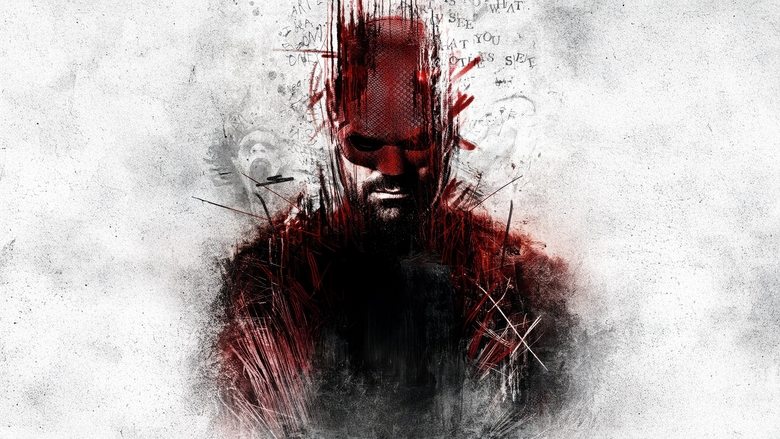
Ultimately, *Daredevil: Born Again* succeeds because it refuses to treat its characters as action figures. It treats them as weary souls trapped in a loop of their own making. It asks a difficult question: If you are born again, do you return as a new man, or are you doomed to repeat the sins of the old one? In answering this, the series cements itself as a vital piece of noir filmmaking, proving that even in a world of gods and aliens, the most compelling stories are still found in the gutter, looking at the stars.