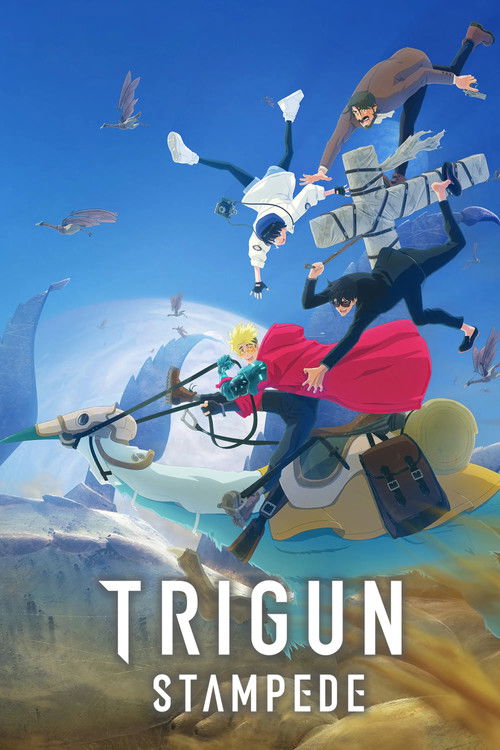
The Saint in the Digital DesertTo revisit a beloved text is often an act of violence. In the current landscape of media, where nostalgia is strip-mined for easy engagement, the announcement of a reboot is usually met with a weary sigh. Yet, *Trigun Stampede* (2023) commits a different kind of violence: it boldly, almost recklessly, discards the structural comfort of its 1998 predecessor. Directed by Kenji Muto at Studio Orange, this is not a retread of Yasuhiro Nightow’s space western; it is a eulogy for a world that hasn't ended yet. Where the original anime masked its tragedy behind twenty episodes of slapstick buffoonery, *Stampede* wears its broken heart on its sleeve from the very first frame.
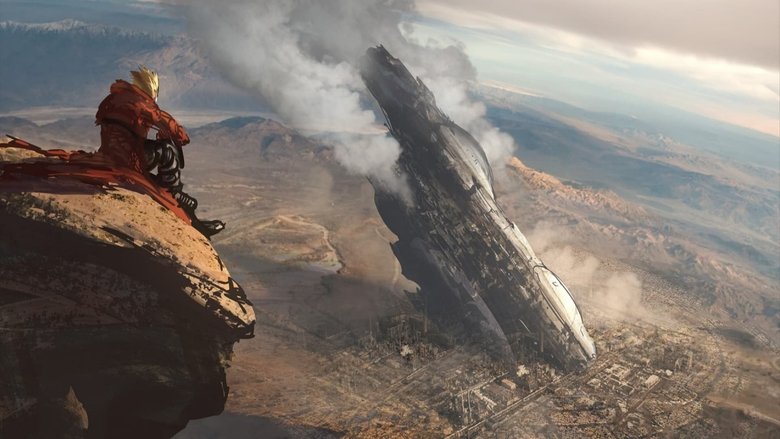
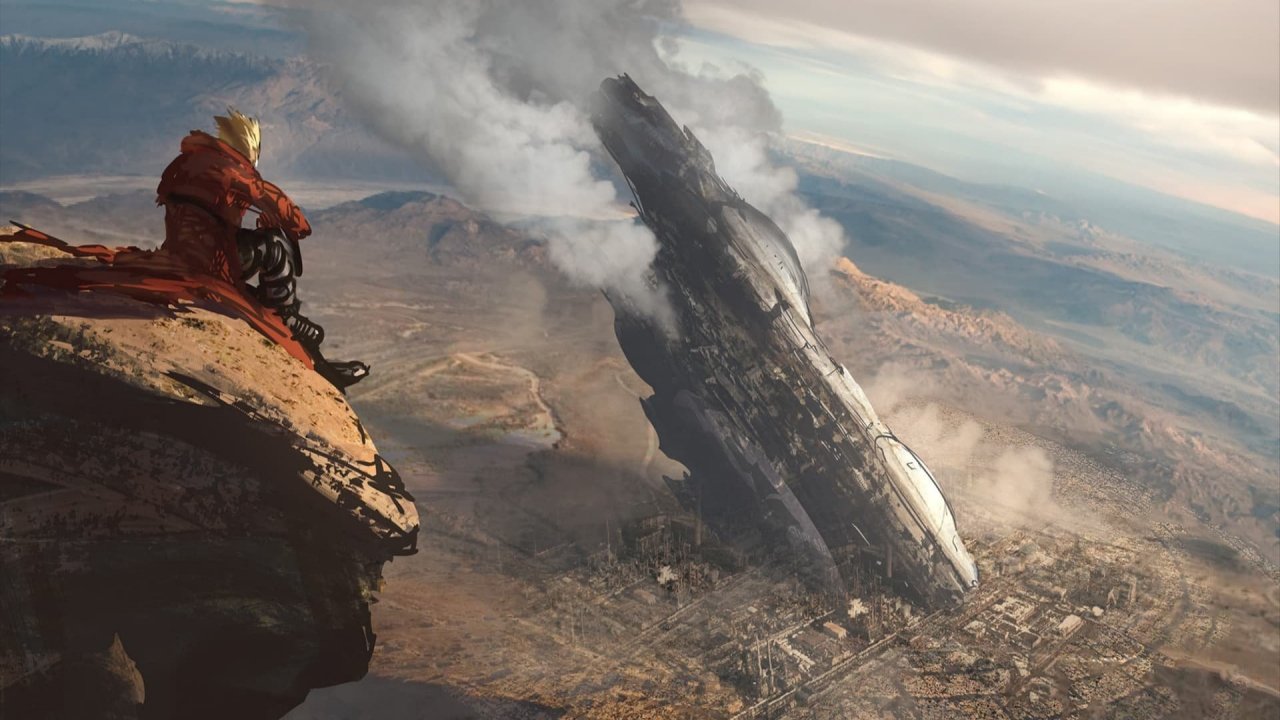
The immediate conversation surrounding *Stampede* inevitably lands on its aesthetic. Studio Orange, having cut their teeth on *Land of the Lustrous* and *Beastars*, has mastered a form of 3D CGI that defies the "uncanny valley" criticisms often leveled at the medium. The animation here is not just a tool; it is a distinct dialect. Muto utilizes a kinetic, restless camera that swoops and dives with a physicality traditional 2D animation rarely attempts. The action sequences are ballets of ballistics, turning Vash the Stampede’s defensive pacifism into a visual language of avoidance. He doesn’t just dodge bullets; he flows around them like water around a stone. This technical prowess serves the narrative’s crushing weight—the environment of No Man’s Land feels scorched, vast, and suffocatingly detailed, reinforcing the desperation of a humanity clinging to the dykes of survival.
However, the show’s bravest choice—and its most contentious—is its tonal acceleration. The original series treated Vash’s identity as a slow-burn mystery. *Stampede* assumes you know the secret. It strips away the mystery of the "Humanoid Typhoon" to focus entirely on the burden of his existence. This Vash, voiced with aching vulnerability by Yoshitsugu Matsuoka, is less of a goofy womanizer and more of a tired saint. He smiles, but the smile rarely reaches his eyes. The narrative urgency forces a tighter, more claustrophobic focus on his relationship with his brother, Millions Knives. If Vash is the shield of humanity, Knives is the sword of a higher judgment, and their ideological clash is elevated from a gunfight to a theological debate on the right to exist.
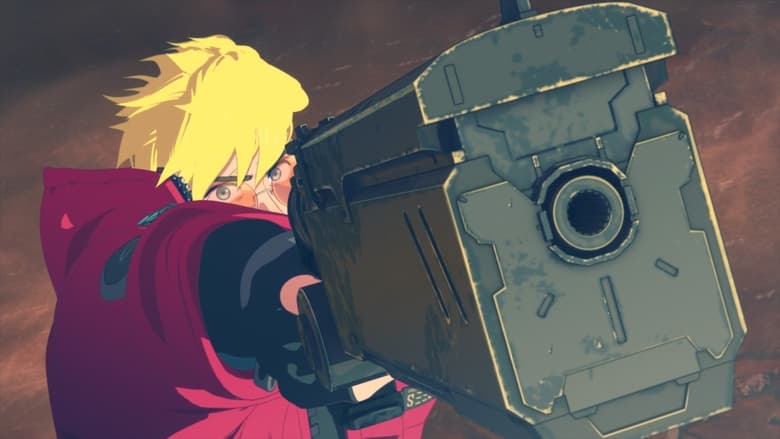
This intensity does come at a cost. The excision of Milly Thompson, a fan-favorite character who provided the original quartet with its moral and comedic ballast, leaves a void that the jaded reporter Roberto De Niro struggles to fill. The dynamic is harder, more cynical. Yet, this cynicism feels appropriate for *Stampede’s* sharper edges. The series complicates the pacifist philosophy that defined the 90s iteration. In a high-definition world where the consequences of violence are rendered in brutal clarity, Vash’s refusal to kill feels less like a quirky character trait and more like a pathologically masochistic crusade.
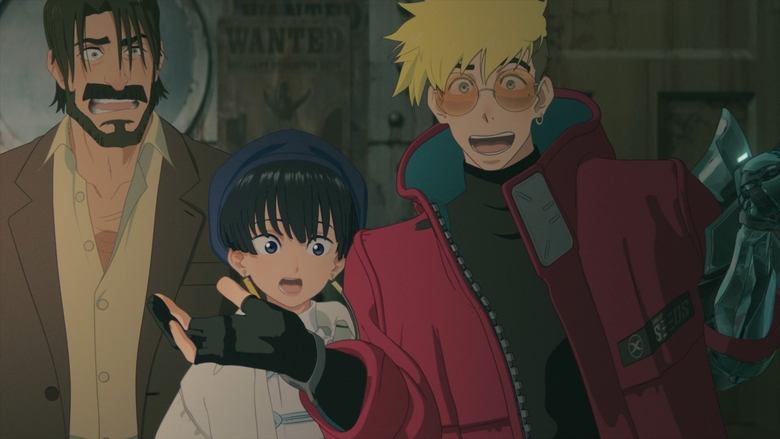
Ultimately, *Trigun Stampede* succeeds because it refuses to be a "product" of nostalgia. It creates a distinct identity that stands adjacent to the source material rather than in its shadow. It asks us to look at Vash not as a legendary gunman, but as a traumatized survivor trying to hold back the apocalypse with nothing but a revolver he refuses to fire. It is a stunning, often breathless piece of science fiction that proves a story is never truly finished as long as there are new ways to break our hearts.