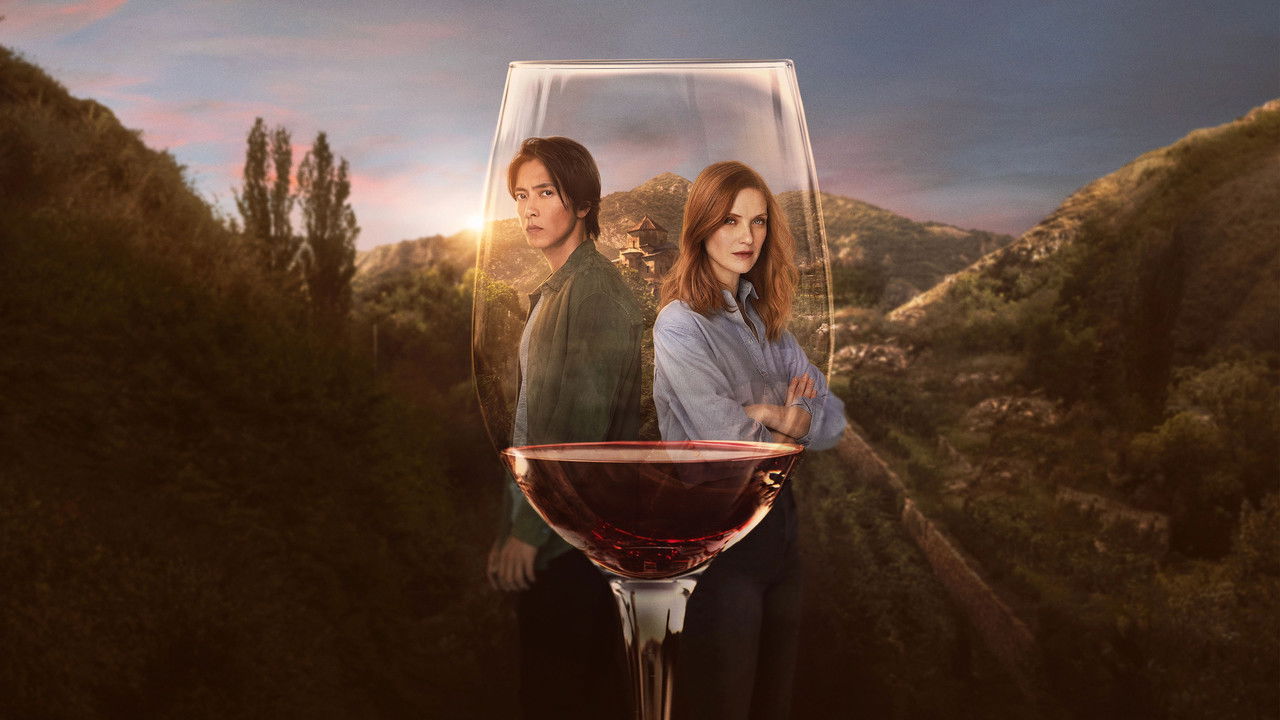
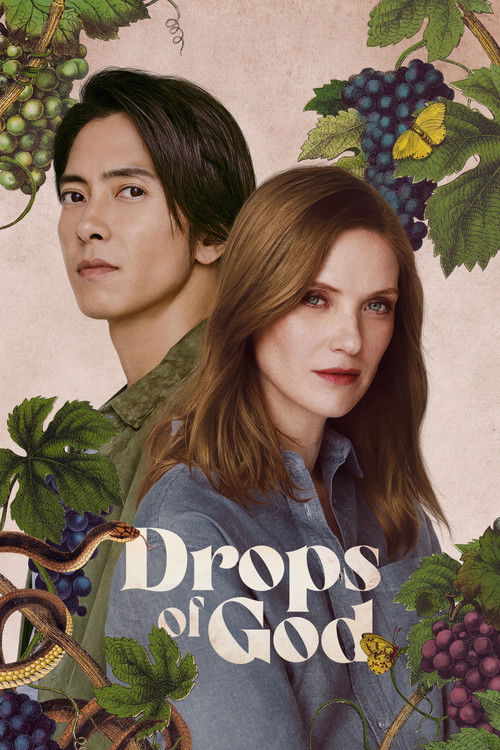
Terroir of the SoulAdapting manga into live-action is a perilous artistic endeavor, particularly when the source material relies on the internal, hyperbolic visualizations typical of the medium. How does one film the sensation of taste? In the original pages of *Kami no Shizuku*, a sip of Bordeaux might conjure an image of a rock concert or a Renaissance painting. In the 2023 adaptation of *Drops of God*, showrunner Quoc Dang Tran and director Oded Ruskin have wisely sidestepped the campiness of the source material to excavate something far more melancholic and human: a meditation on how the things we inherit—trauma, talent, and memory—ferment within us, often against our will.
The premise is a classic succession drama but stripped of the cynical corporate maneuvering of *Succession*. Alexandre Léger, a titan of oenology, dies in Tokyo, leaving behind the world’s most valuable wine collection. To inherit it, his estranged daughter Camille (Fleur Geffrier) must defeat his spiritual son and protégé, Issei Tomine (Tomohisa Yamashita), in a series of blind tasting challenges.
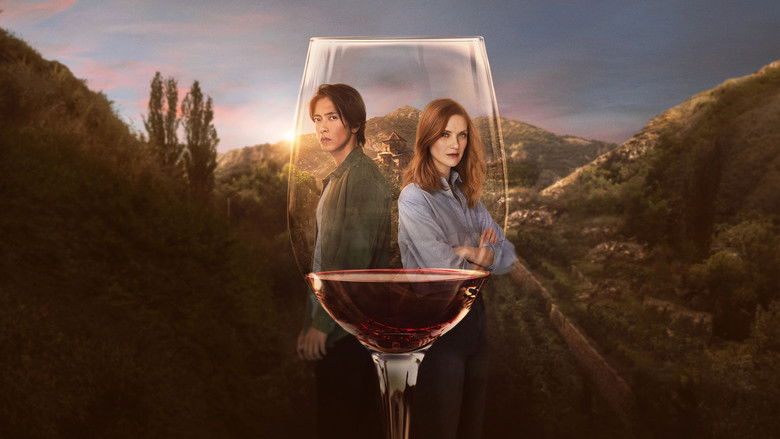
The series makes a significant departure from the manga by transforming the protagonist from a Japanese son to a French daughter. This is not a superficial diversity swap; it creates a profound transnational friction that elevates the narrative. The show moves fluidly between French, Japanese, and English, treating language much like terroir—a specific condition of the soil that shapes the character.
Visually, Ruskin solves the "filming taste" problem with a stroke of psychological brilliance. Rather than relying on animated swirls or over-acting, the camera dives into Camille's "mind palace." When she tastes, she is physically transported to the dusty libraries of her childhood memory, physically categorizing scents like indexed files. These sequences are not superpowers; they are acts of desperate retrieval. Camille’s relationship with wine is pathological—literally, as the alcohol triggers traumatic physical rejection—making her journey one of healing rather than mere acquisition.
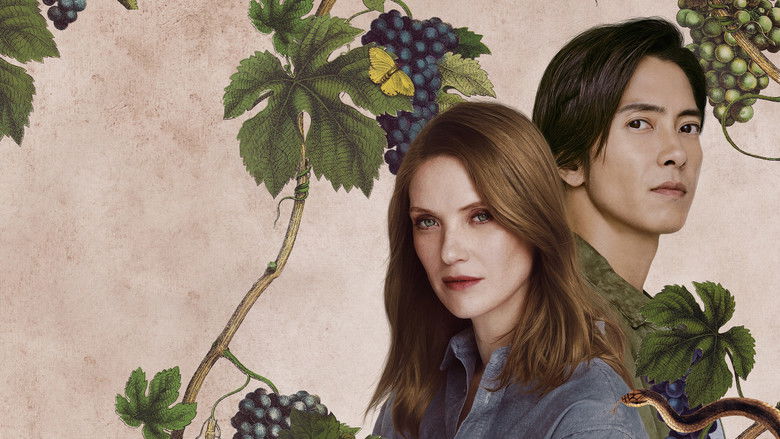
Contrasting Camille’s volatile, emotional excavation is the stoic precision of Issei Tomine. Tomohisa Yamashita delivers a performance of remarkable restraint, embodying the crushing weight of Japanese familial expectation. He is a man who speaks in silences. The series shines brightest not when these two are at war, but when they recognize their shared reflection in the void Alexandre left behind. They are two orphans of the same difficult god, realizing that the "competition" is actually a posthumous lesson from a father who could only communicate through the complexity of a vintage.
The cinematography reinforces this duality, juxtaposing the warm, earth-toned sun of the French vineyards with the cool, glass-and-steel geometry of Tokyo. Yet, the show refuses to exoticize either. The camera treats a bowl of soil with the same reverence as a $50,000 bottle of Domaine de la Romanée-Conti.
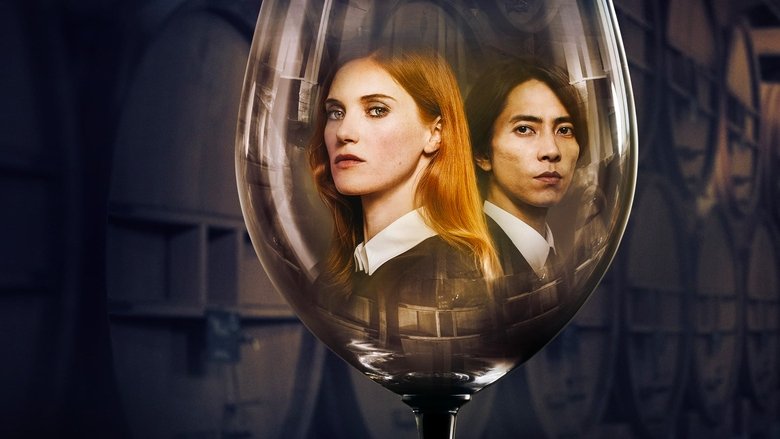
Ultimately, *Drops of God* is not really about wine, any more than *Moby Dick* is about a whale. It is about the sensory tethers that bind us to the past. It posits that a bottle of wine is a time capsule, a living organism that changes just as we do. The series succeeds because it treats the palate as an emotional organ. By the final pour, the question isn't who will win the millions, but whether these two fractured souls can finally swallow the bitterness of their legacy and find a finish that lingers.