The following is a critical essay on the animated series *Renegade Immortal*.
The Weight of SilenceIn the crowded landscape of *xianxia* (immortal hero) cultivation sagas, where protagonists are typically blessed by destiny and powered by youthful arrogance, *Renegade Immortal* (Xian Ni) lands with the heavy, metallic thud of a coffin lid. Directed by TouXiong Shi and produced by Build Dream, this series is not a celebration of power, but a eulogy for the humanity lost in its pursuit. It strips away the bright, candy-colored optimism often found in peers like *Soul Land*, replacing it with a grayscale palette of grief, ruthlessness, and a suffocating sense of solitude.
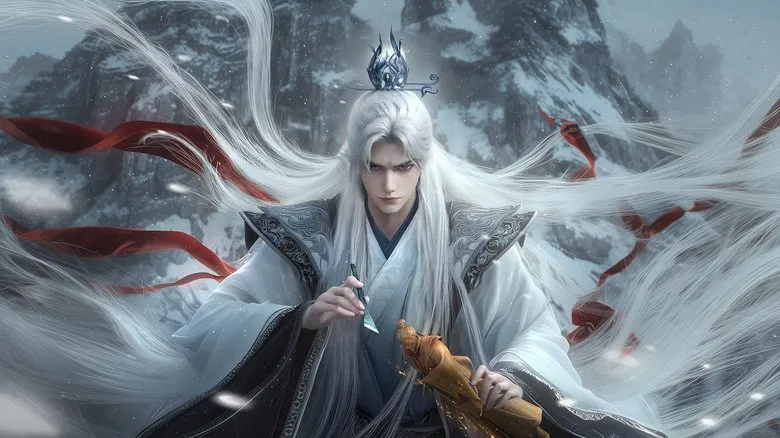
Visually, the series distinguishes itself through an oppressive atmospheric density. The director employs a visual language that feels less like a cartoon and more like a high-fidelity nightmare. The lighting is often low-key, casting deep shadows over the characters' faces, reflecting the moral ambiguity of the world they inhabit. When magic is used, it is not sparkling or whimsical; it is violent and often grotesque. The "cultivation" here is not a clean ascent to godhood but a muddy, bloody crawl through a trench. The CGI animation captures the weight of physical objects—the stone of a sect gate, the rust on a weapon—grounding the fantastical elements in a harsh, tactile reality.
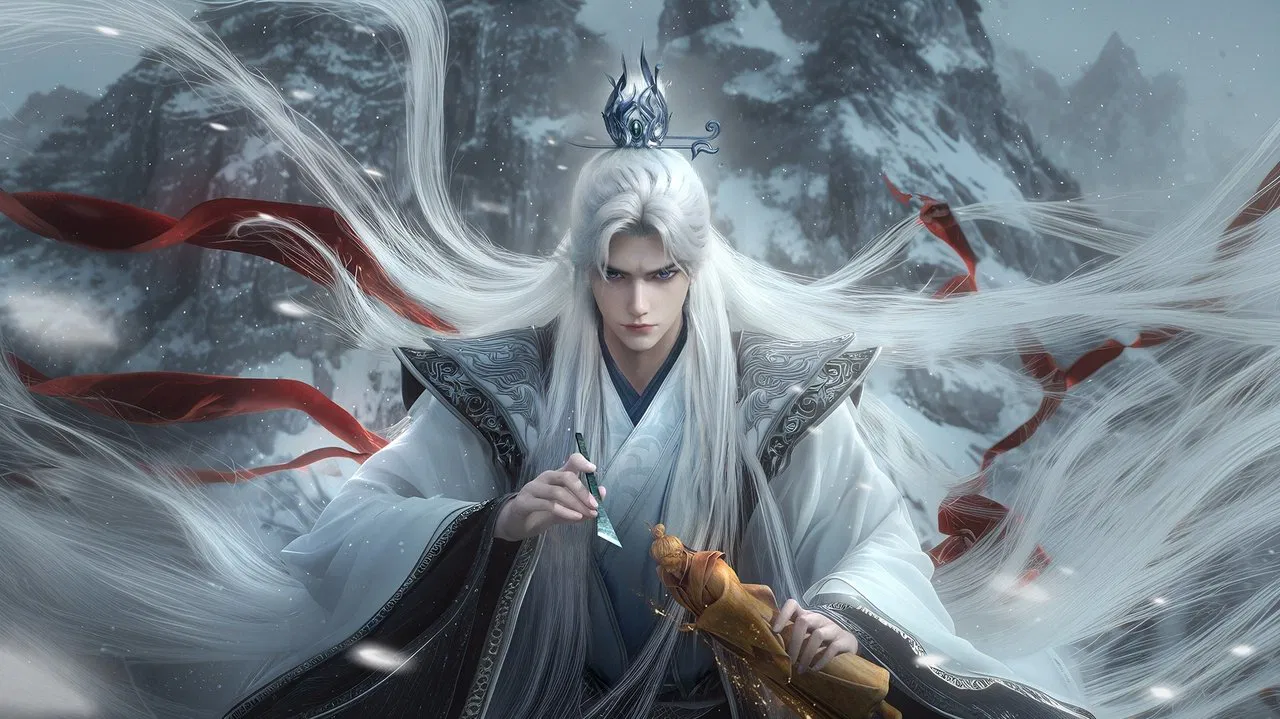
The narrative anchor is Wang Lin, a protagonist who subverts the genre’s tropes by simply being exhausted. Unlike the hot-blooded heroes who scream their ambitions to the heavens, Wang Lin operates in a terrifying silence. His journey begins not with a desire for glory, but with a desperate need to survive after his family is slaughtered—a common inciting incident, yet handled here with uncommon psychological gravity. The series does not shy away from the toll this takes. Wang Lin’s transformation from a naive village boy to the "God of Killing" is marked by a physical and emotional coldness that is painful to watch. He kills not because he enjoys it, but because the logic of his world leaves him no other choice.
A defining moment that encapsulates the show's ethos is the "Family Revenge" arc. In lesser hands, this would be a triumphant montage of justice. In *Renegade Immortal*, it is a somber, almost industrial process of elimination. The violence is efficient, devoid of catharsis. Wang Lin moves through his enemies like a natural disaster, his face a mask of stone. It forces the audience to confront the ugly reality of vengeance: it doesn't bring the dead back; it just adds more bodies to the pile. The show dares to ask if the price of immortality is the death of the soul, and for Wang Lin, the receipt is already printed.

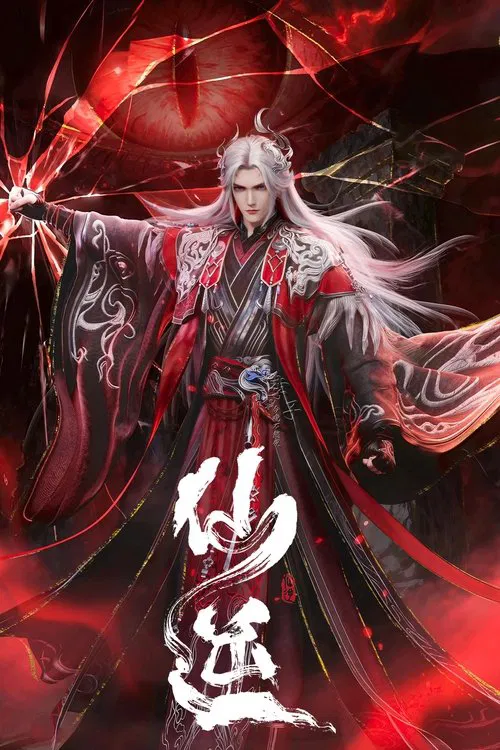
Ultimately, *Renegade Immortal* succeeds because it respects the tragedy of its own premise. It is a story about the stubbornness of human memory—how Wang Lin clings to the memories of his parents and his love, Li Muwan, as the only things anchoring him to sanity in a universe that rewards sociopathy. It is a bleak, uncompromising work that refuses to offer easy comfort. For viewers tired of the superficial power fantasies that dominate the medium, this series offers something far more substantial: a look into the abyss, where the abyss stares back with a red, glowing eye.