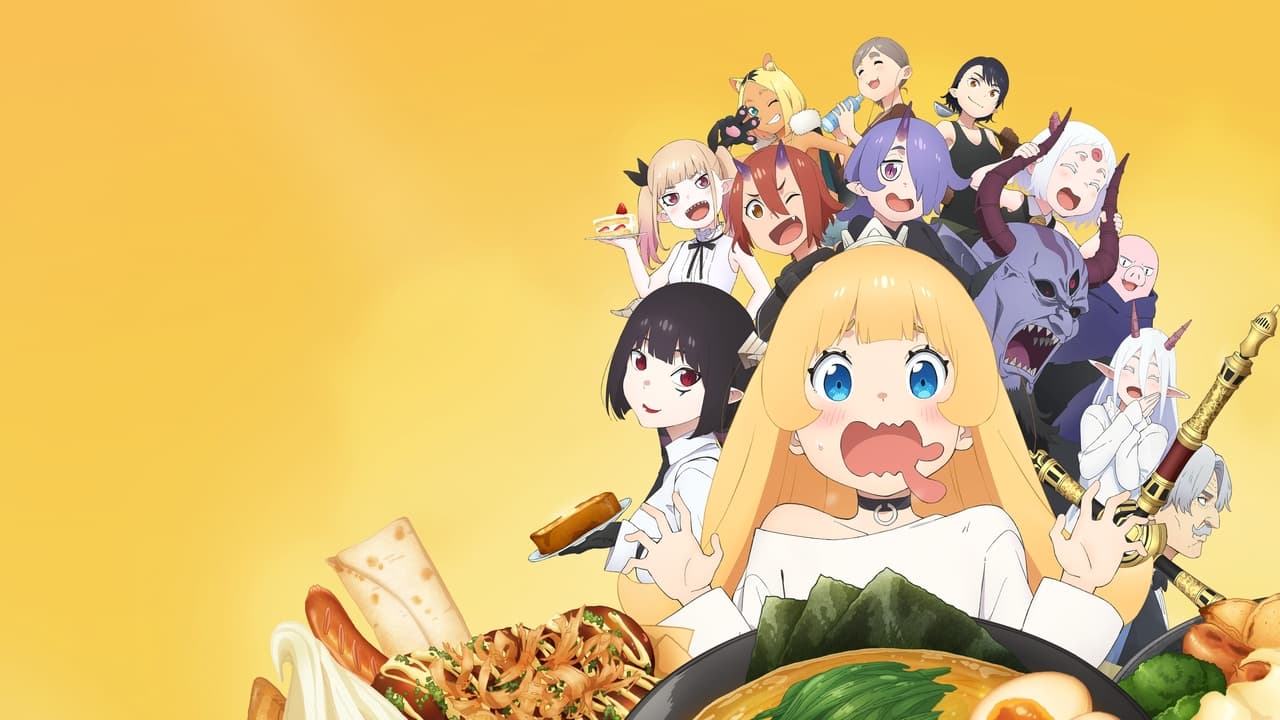
The Radical Softness of SurrenderIn the lexicon of modern fantasy anime, "torture" usually implies a descent into the grotesque—a gritty, nihilistic display of endurance synonymous with the darker corners of the genre. Yet, in director Yōko Kanemori’s adaptation of *'Tis Time for "Torture," Princess*, the concept is weaponized not to inflict pain, but to expose a profound cultural starvation. Premiering in 2024, this series masquerades as a repetitive gag comedy, but beneath its fluffy exterior lies a surprisingly humanist critique of the stoic warrior archetype. It posits a revolutionary idea: that the ultimate undoing of war is not superior firepower, but the shared, undeniable comfort of a freshly toasted slice of bread.
The premise is deceptively simple. The Princess, a hardened commander of the Imperial Army, is captured by the Hellhorde. Her interrogator, Torture Tortura, does not wield branding irons or racks. Instead, she wields the sensory overload of normalcy. The "torture" sessions are masterful exercises in culinary seduction—fluffy white bread dripping with melted butter, the aromatic steam of tonkotsu ramen, or the tactile bliss of a heated kotatsu.
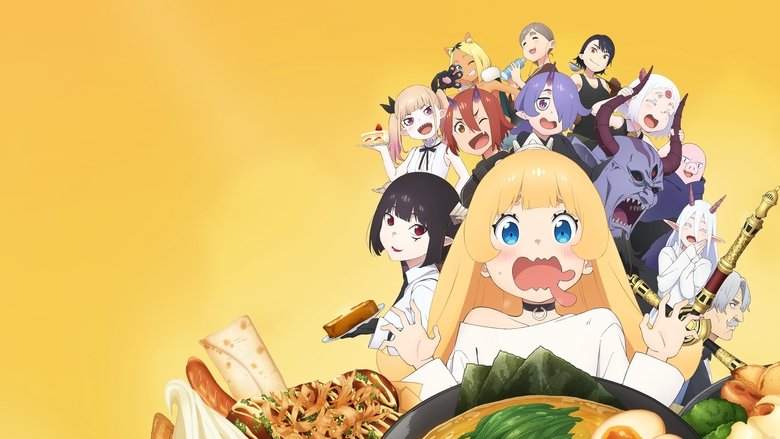
Visually, Kanemori and studio Pine Jam execute a brilliant bait-and-switch. The series frequently opens scenes with the jagged, high-contrast aesthetic of a serious battle shōnen—sharp angles, dramatic shadowing, and the Princess’s steely gaze. This visual language is immediately collapsed by the introduction of the "weapon" (usually a snack), at which point the animation softens into a rubbery, buoyant style. The detailed rendering of the food—glistening fats, rising steam, perfectly charred crusts—serves as a stark counterpoint to the sterile nobility of the Princess’s duty. The director understands that for the joke to land, the food must look more real, and more vital, than the war itself.
However, to dismiss the show as merely "food porn with a punchline" is to overlook its emotional core. The Princess’s immediate capitulation in every episode is not a sign of cowardice; it is a revelation of neglect. Through her "confessions" (which are hilariously trivial secrets like "I wear silly pajamas"), we learn that her life as a hero was devoid of basic human joys. She wasn't fighting for a way of life; she was fighting to *avoid* living one. The Hellhorde, conversely, represents a society that prioritizes well-being, leisure, and family—led by a Demon Lord who is less a tyrant and more of a doting father figure.

The brilliance of *'Tis Time for "Torture," Princess* lies in how it deconstructs the binary of "us versus them." The talking sword, Excalibur, acts as the last vestige of the old world’s rigid code, constantly urging the Princess to resist. But his protests ring hollow against the undeniable warmth of her captors. The Princess is not a prisoner of war; she is a refugee from a culture of stoicism, finding asylum in a culture of indulgence.
Ultimately, this series is a gentle rejection of the glorification of suffering. In a media landscape obsessed with grit and trauma, there is something quietly subversive about a narrative where the hero puts down her sword because the enemy offered her a friend and a hot meal. It suggests that peace isn't won on the battlefield, but at the dinner table—and that sometimes, surrendering to happiness is the bravest act of all.