✦ AI-generated review
The Architecture of Redemption
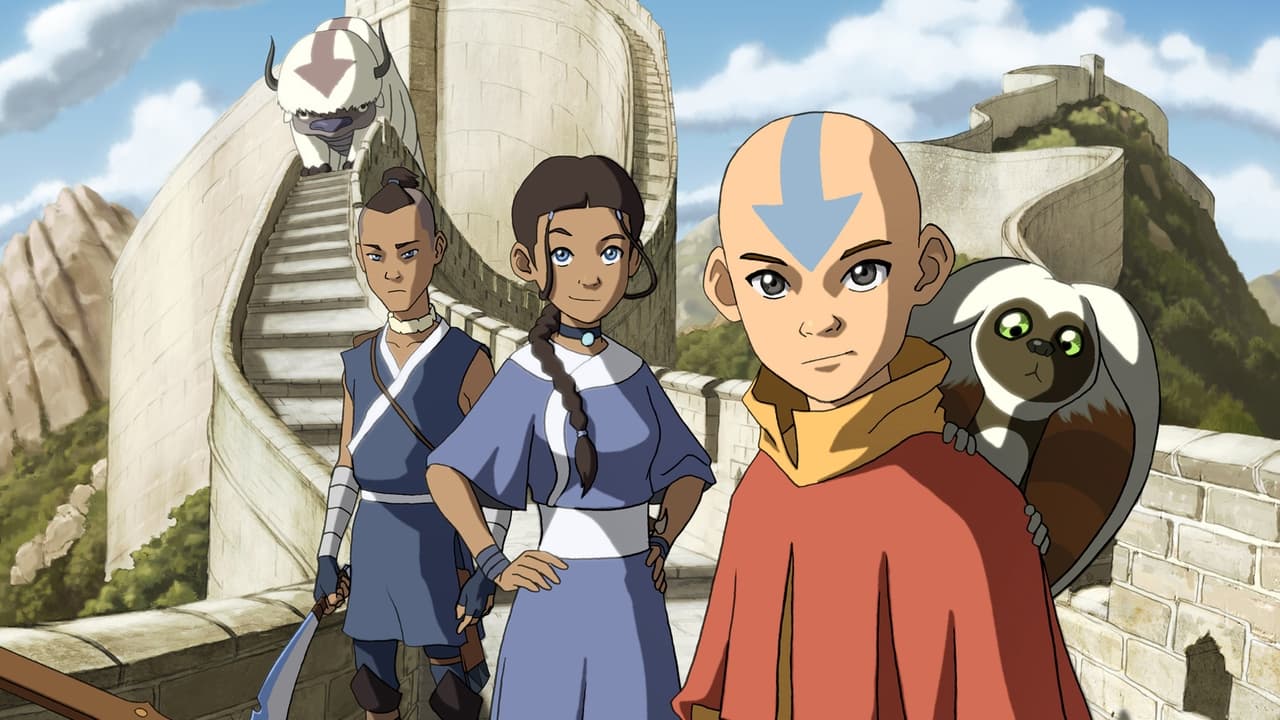
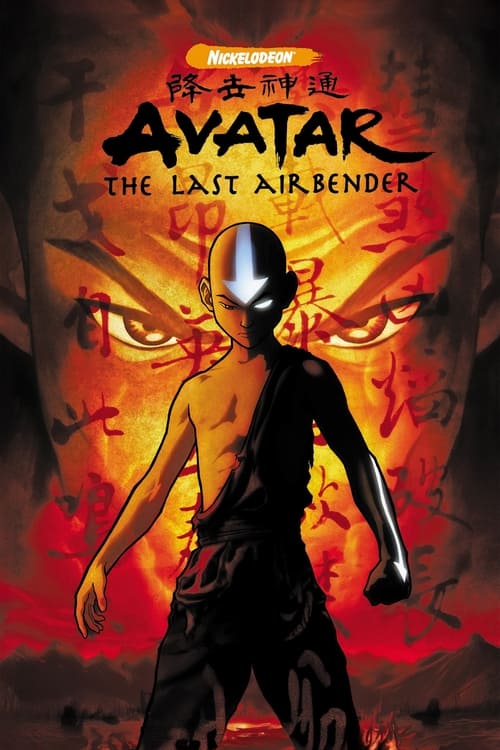
In the landscape of mid-2000s animation, *Avatar: The Last Airbender* (2005) appeared, initially, as a stylistic anomaly. Aired on a network dominated by episodic gags and sponges living in pineapples, creators Michael Dante DiMartino and Bryan Konietzko offered something radically different: a serialized, sprawling war epic masquerading as a Saturday morning cartoon. To view *Avatar* merely as a children’s adventure is to misunderstand its fundamental gravity. It is a profound meditation on the corrosive nature of imperialism, the burden of legacy, and the painful, non-linear architecture of redemption.
Visually, the series operates with a kinetic literacy rarely seen in Western animation. While it borrows heavily from the aesthetic dialect of anime—specifically the spiritualism of Hayao Miyazaki and the stylized action of *FLCL*—it creates its own vernacular. The "bending" arts are not arbitrary superpowers; they are physical extensions of cultural philosophies. Water is adaptive; Earth is stubborn; Fire is aggressive; Air is evasive. The directors use this martial language to externalize internal conflict. Nowhere is this more poignant than in the final confrontation between the banished Prince Zuko and his sister, Azula. In a medium that usually favors bombastic sound design for climaxes, the creators chose a haunting, melancholic score, muting the combat effects. The blue and orange flames clash not in triumph, but in tragedy—a visual weeping for a family destroyed by the pursuit of power.
However, the show’s true genius lies in its refusal to talk down to its audience regarding the cost of war. The series opens not with a battle, but with an absence: the genocide of the Air Nomads. Aang, the protagonist, is not just a hero; he is a survivor of a holocaust, a twelve-year-old boy carrying the ghosts of an entire civilization. His cheerful demeanor is a coping mechanism for a crushing existential loneliness. The narrative posits that the "Avatar" is not a weapon to be pointed at the enemy, but a spirit of balance in a world that has tipped into industrial fascism.
Yet, the emotional anchor of the series is arguably not Aang, but Prince Zuko. His trajectory is one of the most meticulously crafted redemption arcs in television history. Scarred by his father and exiled for speaking out of turn, Zuko initially conflates "honor" with "conquest." The show takes three full seasons to deconstruct this toxicity. It strips him of his title, his topknot, and his certainty, forcing him to walk among the refugees his nation has displaced. In the episode "Zuko Alone," the animation leans into the style of a Spaghetti Western, isolating the prince in a dusty Earth Kingdom town to show us that a badge of royalty is a mark of shame to the oppressed. His transformation is not a sudden epiphany but a slow, agonizing unlearning of propaganda, guided by his uncle Iroh—a former warmonger turned tea-drinking sage who represents the show’s moral thesis: that strength is found not in dominance, but in the humility to change.
*Avatar: The Last Airbender* endures not because of its fantastical elements, but because it treats its characters with a radical empathy. It suggests that while we cannot choose the era into which we are born—or the scars, physical and spiritual, that we are given—we retain the agency to forge our own destiny. It remains a towering achievement, a story that teaches us that hope is not a naive wish, but a discipline practiced in the dark.