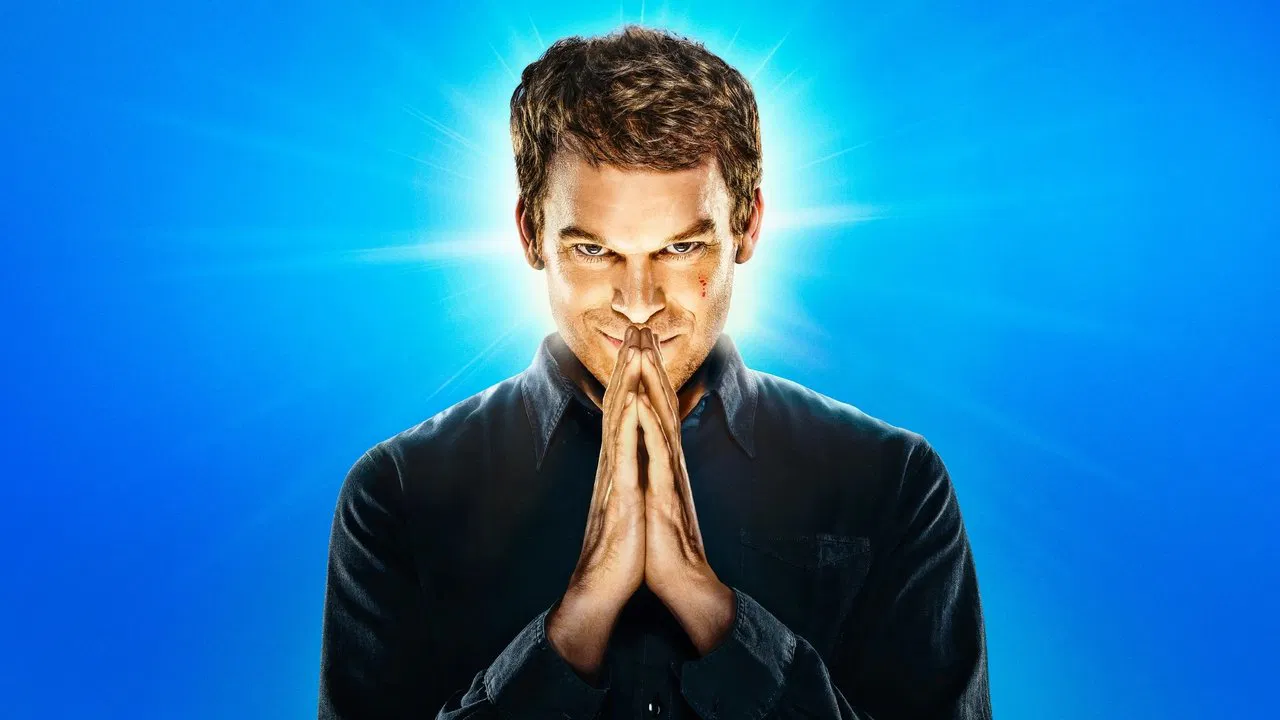
The Afterlife of a Dark PassengerIf cinema is the study of the human condition, then *Dexter* has always been its most morbidly fascinating case study—a laboratory experiment testing whether a monster can simulate a soul. For years, the franchise seemed trapped in its own kill room, bound by a cyclical need to punish its protagonist while simultaneously canonizing him. But in *Dexter: Resurrection* (2025), the showrunner Clyde Phillips and Michael C. Hall have done the impossible: they have turned the exhausted trope of the "undefeatable slasher" into a profound meditation on trauma, fatherhood, and the inescapable gravity of one’s own nature.
This isn't just a sequel; it’s an exhumation. Picking up immediately after the frigid, divisive conclusion of *New Blood*, where Dexter Morgan took a bullet to the chest from his own son, *Resurrection* abandons the snowy purgatory of Iron Lake for the electric, claustrophobic heat of New York City. The shift is not merely geographic but atmospheric. Where the previous series felt like a western—quiet, expansive, leading to a standoff—this season feels like a noir fever dream, vibrating with the anxiety of a man who has cheated death only to find his life is no longer his own.
Visually, the series has never looked this suffocating. The directors utilize the verticality of New York to mirror Dexter’s internal state: he is small, watched, and hemmed in by millions of potential victims and witnesses. The cinematography trades the sterile, clinical lighting of the Miami Metro PD for the grimy, sodium-vapor glow of subway platforms and high-rise construction sites. There is a scene early in the season, set in a crowded subway car, where the sound design becomes a character itself—the screech of the brakes indistinguishable from the screams in Dexter's head. It’s a masterclass in subjective filmmaking, forcing the audience to inhabit the sensory overload of a predator trying to suppress his instincts in a cage full of prey.

However, the true "resurrection" here is not of the body, but of the central relationship. The dynamic between Dexter and Harrison (Jack Alcott) has evolved from awkward estrangement to a volatile, tragic partnership. We are no longer watching a father hide his darkness from his son; we are watching two damaged men navigate a shared curse. The writing is surprisingly tender in these moments, treating the "Dark Passenger" less like a comic book superpower and more like a hereditary disease. When Dexter looks at Harrison, he doesn't see a legacy; he sees a victim of his own making. This emotional weight anchors the more fantastical elements of the plot, including the introduction of Peter Dinklage’s chilling philanthropist villain, whose intellectual menace provides a perfect foil to Dexter’s physical brutality.
The series does falter occasionally under the weight of its own lore. The return of certain legacy characters, specifically the ghost of Harry Morgan (James Remar), occasionally feels like a narrative crutch, a safety blanket the show is afraid to discard. Yet, *Dexter: Resurrection* succeeds because it refuses to offer easy absolution. It posits that survival is not a reward, but a sentence. Dexter didn’t die in the snow because he hasn’t yet paid the full price for his sins—and in this gripping, surprisingly poignant return, the bill has finally come due. We are left not cheering for the kill, but mourning the killer, a shift in perspective that proves this franchise still has fresh blood to spill.