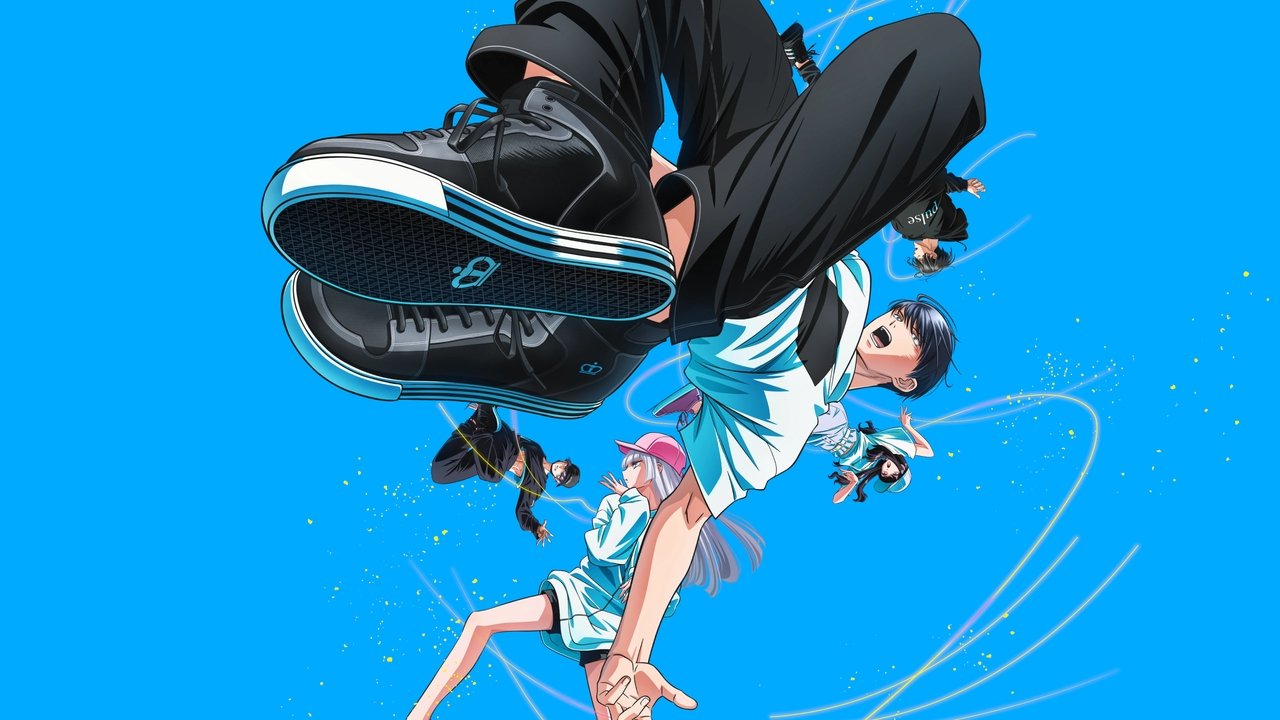
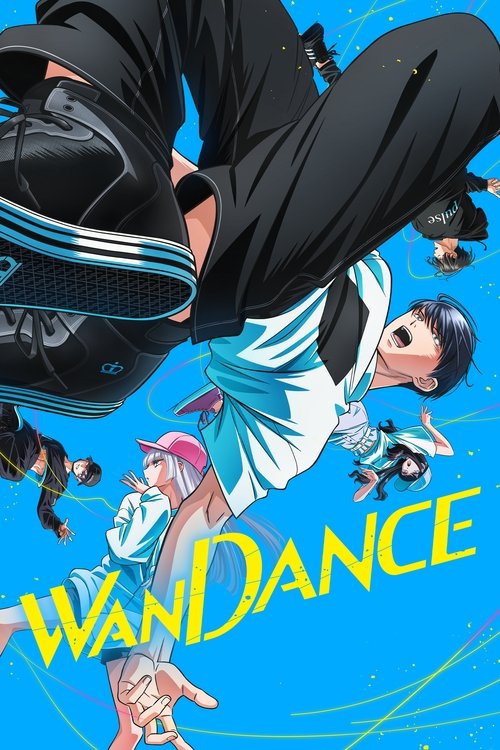
The Syntax of MotionSilence, in cinema, is rarely empty; it is usually heavy, pressurized, waiting for a release valve. In *Wandance*, the 2025 adaptation of Coffee’s acclaimed manga, silence is the protagonist’s primary cage. Produced by Madhouse—a studio with a pedigree for psychological depth—and directed by Michiya Kato, the series attempts a difficult translation: turning the internal, scratchy anxiety of a stuttering teenager into the fluid, explosive language of hip-hop dance. It is a work that stumbles visually but soars emotionally, creating a resonant study of how we speak when words fail us.
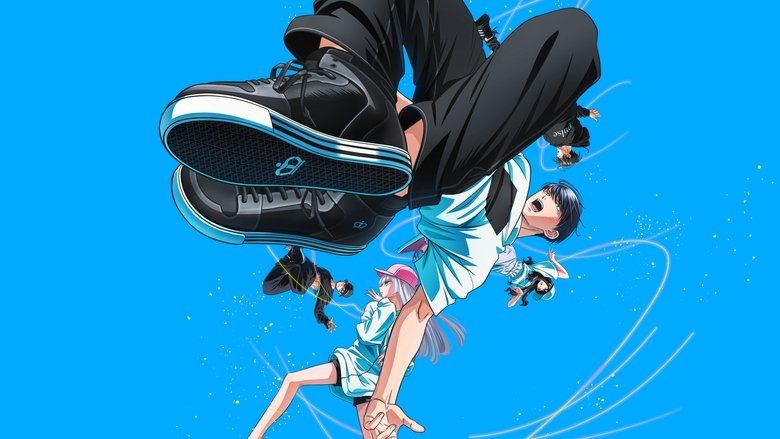
The narrative centers on Kaboku "Kabo" Kotani, a high school freshman who has learned to make himself small. Living with a severe stutter, Kabo treats conversation like a minefield, constantly editing his thoughts to avoid "hard" sounds, nodding along to friends he doesn't agree with simply because agreement is faster than explanation. This portrayal of a speech impediment is arguably one of the most empathetic and accurate in recent animation history. It is not played for pity, but as a textured reality of his existence—a suffocating underwater feeling where the air (and words) just won't come.
Into this submerged world crashes Hikari Wanda, a classmate who moves through life with an eccentric, almost alien detachment, until the beat drops. When Wanda dances, she is unburdened. Kabo’s attraction to her isn't just romantic; it is aspirational. He doesn't just want to be *with* her; he wants to *be* that free.
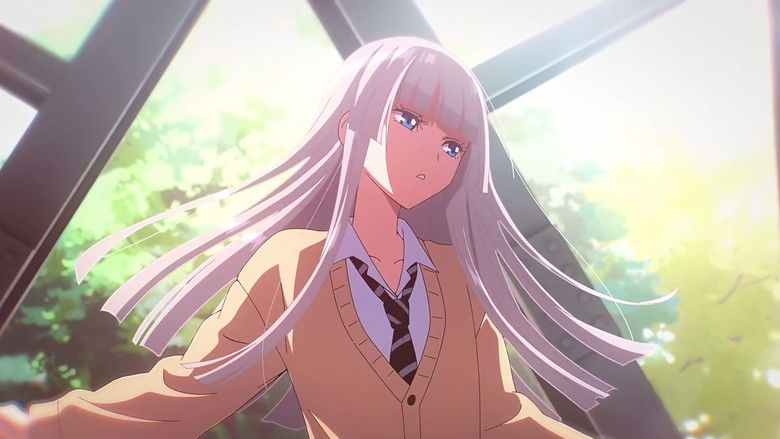
However, to discuss *Wandance* is to inevitably confront its aesthetic choices. Madhouse and Cyclone Graphics opted for a heavy use of 3D CGI and motion capture for the dance sequences. This decision has sparked a polarized discourse. In the source material, the dance is rendered in rough, kinetic scribbles—static images that vibrate with implied energy. The anime, conversely, offers hyper-smooth, rotoscoped physics.
At times, this creates an "uncanny valley" effect, where the characters feel like marionettes severed from the surrounding 2D art direction. Yet, there is a fascinating merit to this clumsiness. Dance, for a beginner like Kabo, is not a superpower; it is a mechanical struggle of limb placement and weight distribution. The rigidity of the CGI inadvertently mirrors Kabo’s own initial awkwardness, making his gradual mastery feel earned rather than magical. We are watching a body learn a new syntax, muscle by muscle.
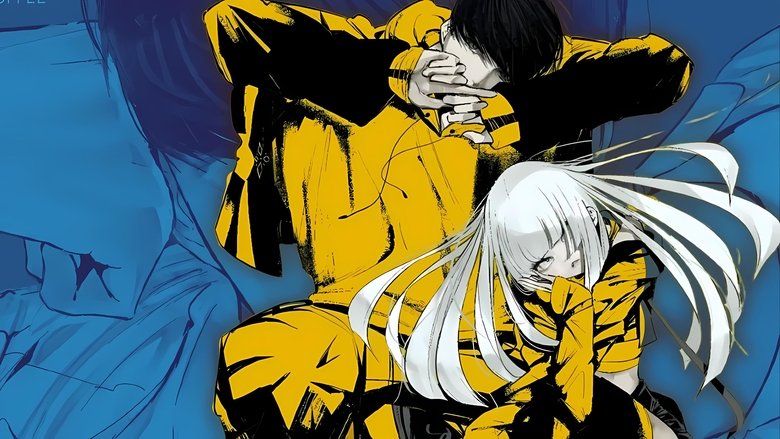
The heart of the series, however, beats loudest in its sound design and direction. The contrast between the stifling silence of the classroom and the bass-heavy liberation of the dance studio is palpable. When Kabo dances, the editing shifts; the suffocating "water" that usually drowns his voice transforms into a fluid medium he can swim through. The series posits that hip-hop is not just a performance but a reclamation of space for those who have been told to take up less of it.
*Wandance* may not be a visual masterpiece in the traditional sense; it lacks the cohesive polish of its contemporaries. But as a cultural artifact, it is profoundly human. It understands that for some, art is not a hobby, but a life raft. By the time the credits roll, the technical jarring of the animation fades, replaced by the sheer, rhythmic triumph of a boy finally finding a way to say, "I am here."