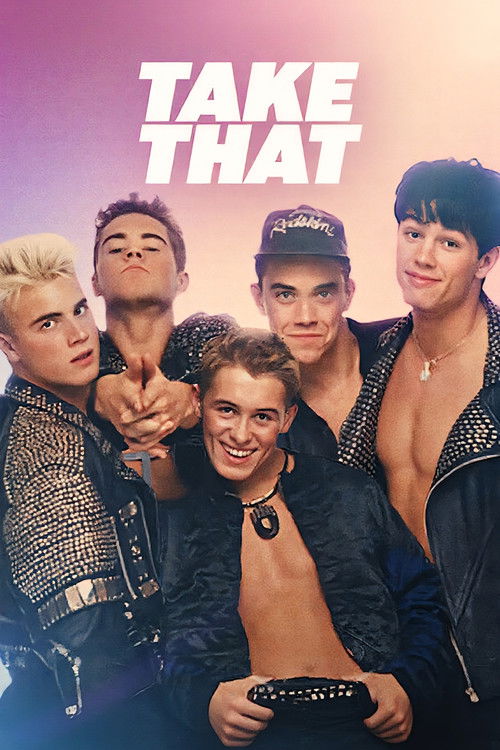
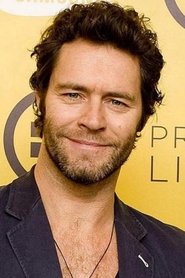
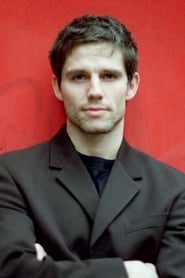
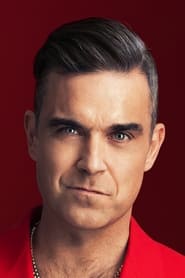
The Echo Chamber of SurvivalTo watch *Take That*, Netflix’s 2026 three-part retrospective on Britain’s most enduring boy band, is to witness a victory lap run by survivors who are still nursing old wounds. Directed by David Soutar (famous for the tragicomic masterpiece *Bros: After the Screaming Stops*), this series avoids the unintentional surrealism of his previous work, opting instead for a slick, polished, and occasionally heartbreaking look at the cost of manufactured fame. It is not merely a music documentary; it is a study in how grown men reconstruct the narrative of their youth when half the voices are missing.

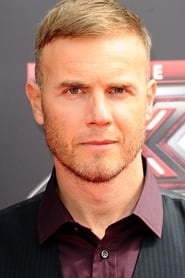
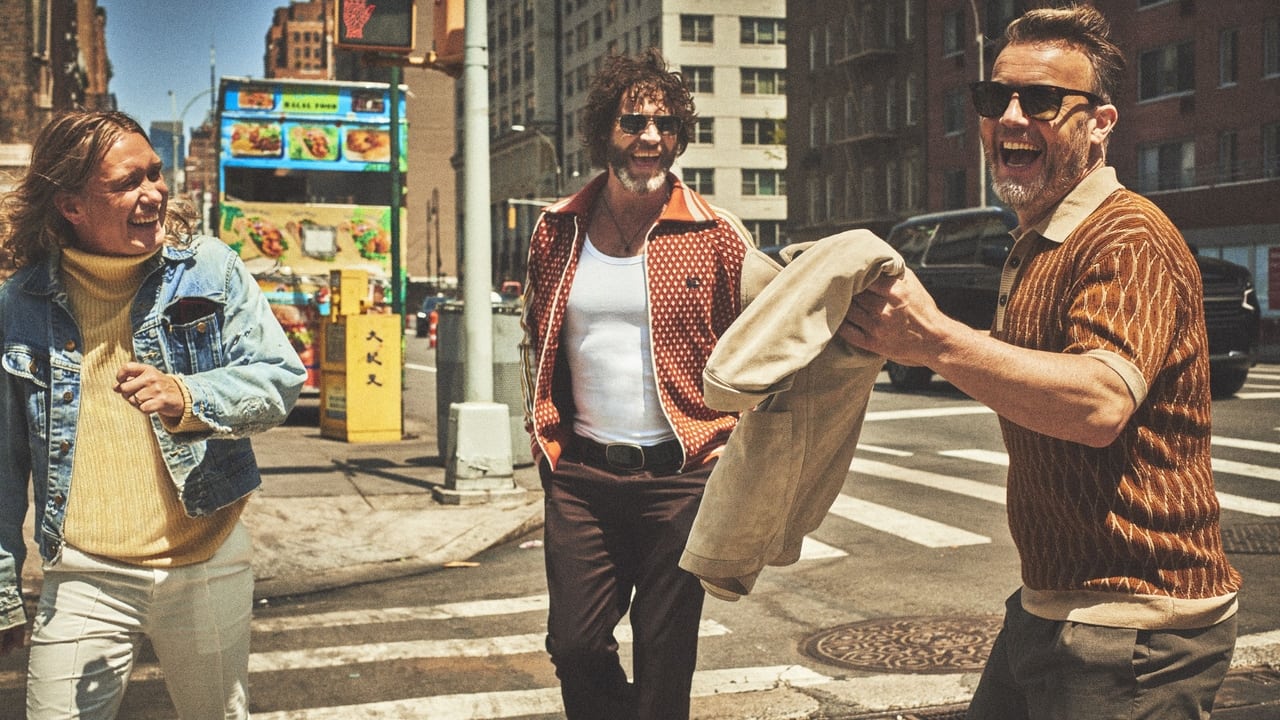
Visually, Soutar creates a collage that feels suffocatingly intimate. He juxtaposes the hyper-resolution of the modern-day interviews—featuring the remaining trio of Gary Barlow, Mark Owen, and Howard Donald—against the grainy, chaotic camcorder footage of the 1990s. The visual language emphasizes the "goldfish bowl" existence of the band. We see them not as pop titans, but as terrified children dressed in leather and chainmail, thrust onto stages in Manchester gay clubs by a manager, Nigel Martin-Smith, who viewed them as modular components of a product. The editing is rhythmic and relentless, mirroring the treadmill of the pop industry that eventually broke them.
The heart of the series, however, lies in its omissions. The absence of Robbie Williams and Jason Orange in the fresh interview chair turns them into ghosts that haunt the narrative. This forces the viewer to engage with the perspective of the "stayers," particularly Gary Barlow. For decades painted as the rigid authoritarian to Williams’ charismatic rebel, Barlow is revealed here as a man crumbling under the pressure of expectation.
The most piercing moment arrives in the second episode, where Barlow discusses his "wilderness years" following the band’s initial split. Stripped of his identity as "The Captain," he recounts his battle with bulimia and the public ridicule he faced while Williams ascended to solo superstardom. It is a moment of vulnerability that recontextualizes the "feud" not as a clash of egos, but as a trauma response from two men who didn't know how to communicate.
Ultimately, *Take That* is a testament to the architecture of nostalgia. It lacks the raw, unpolished danger of the 2005 documentary *For The Record*, choosing instead to present a unified front of brotherhood and resilience. It is a series about three men who have forgiven each other for the crime of growing up in public. While it may not offer the full, five-sided truth, it offers something perhaps more poignant: the peace that comes when you stop fighting the past and simply agree to sing the chorus together.