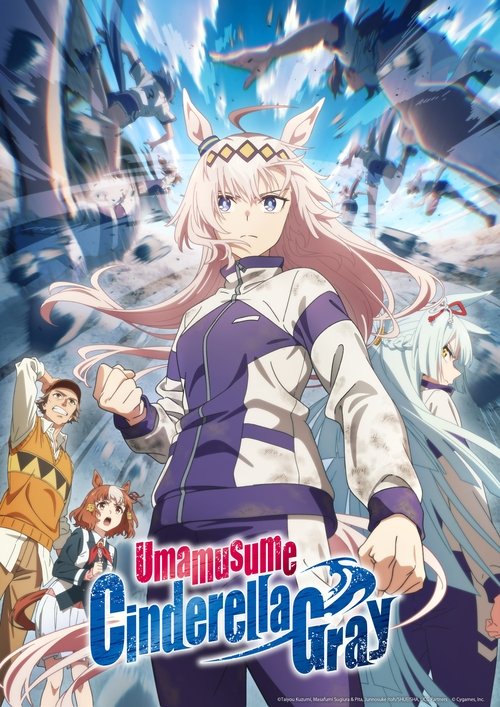
The Mud, The Sweat, and The MonsterTo the uninitiated, the premise of the *Umamusume* universe—legendary racehorses reincarnated as girls with ears and tails—often invites a skepticism reserved for the most niche of otaku curiosities. It is easy to dismiss the medium as mere anthropomorphic novelty. However, *Umamusume: Cinderella Gray* (2025) shatters this dismissal with the force of a hoof striking packed earth. This is not a story about idols who happen to run; it is a visceral, sweat-drenched opera about the burden of genius and the suffocating weight of expectation. It is *Rocky* by way of magical realism, a sports drama that treats its absurdist premise with a deadly, compelling seriousness.

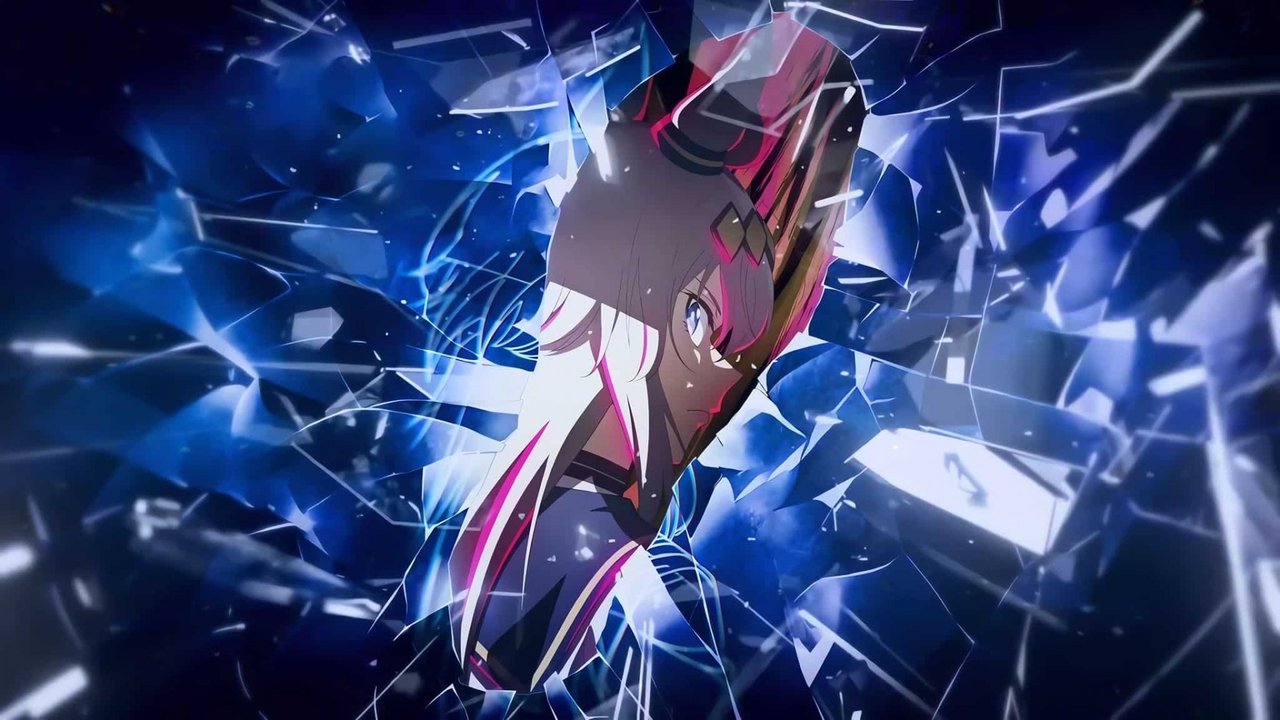
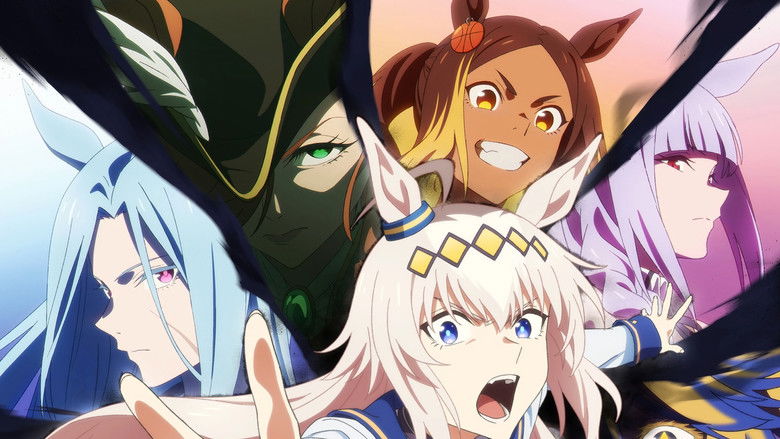
From a visual standpoint, the direction moves away from the glossy, high-saturation aesthetic of its predecessors. CygamesPictures has opted for something grittier, heavier, and infinitely more kinetic. The animation does not merely depict running; it visualizes the violence of speed. When Oguri Cap, the series’ protagonist, shifts into her higher gears, the screen seems to tear at the edges. The use of "impact frames"—heavy, charcoal-like sketches that flash during moments of intense exertion—transforms the races into psychological battlegrounds. The "Zone," a state of hyper-focus, is not rendered as a superpower, but as a terrifying isolation, a silent void where the runner exists alone with their heartbeat. The dirt of the Kasamatsu track feels tangible, coating the screen in a sepia-toned nostalgia that contrasts sharply with the sterile, blinding lights of the national stage Oguri eventually ascends to.

At the heart of this storm is Oguri Cap, a character who defies the "moe" archetype through sheer, stoic intensity. The narrative borrows heavily from the classic *seinen* sports mangas of the 1970s, focusing on the "ash-haired monster" who rises from the rural boondocks to challenge the elite. Yet, the writing avoids the trap of making Oguri an invincible superman. We see the gluttony and the naivety, yes, but we also see the crippling impostor syndrome of a country girl thrust into a world of aristocrats.
The central conflict is not just about crossing the finish line first; it is about the validity of one's existence. Oguri's rivalry with Tamamo Cross is the series' emotional anchor. It is a clash of philosophies: the polished, calculated perfection of the elite versus the raw, unrefined hunger of the outsider. In their races, the dialogue drops away, replaced by a sound design that emphasizes the terrifying rhythm of breath and footfall. These scenes are not "content" to be consumed; they are anxieties to be endured. The show understands that in racing, as in life, the difference between a legend and a footnote is often a matter of inches and agonizing will.
Ultimately, *Cinderella Gray* succeeds because it respects the history it remixes. It captures the specific cultural moment of the late Showa and early Heisei eras, where the real Oguri Cap became a working-class hero. The anime translates that social phenomenon into a universal story about the terrifying nature of talent. It posits that a "monster" is not born, but forged in the mud of forgotten tracks, driven by a hunger that can never be fully sated. In doing so, it transcends its franchise origins to become a genuinely moving piece of sports cinema.