The Architecture of LongingIn the crowded landscape of modern romance, where algorithms often dictate chemistry and tropes replace emotional logic, Huang Tien-jen’s *Sniper Butterfly* (2025) emerges as a quiet act of rebellion. It is a series that dares to ask if love is a matter of timing or a matter of will. Known for his masterful handling of temporal complexity in *Someday or One Day*, Huang here abandons the mechanics of time travel for something far more perilous: the passage of time itself. This is not merely a "JieJie/DiDi" (older woman/younger man) drama; it is a meditation on the debts we owe our past selves and the courage required to forgive our future ones.

Visually, Huang constructs the world of *Sniper Butterfly* with a suffocating yet tender precision. He trades the gloss of standard idol dramas for a palette that feels lived-in and tactile. The cinematography frequently utilizes frames within frames—doorways, windows, mirrors—isolating Cen Jin (Michelle Chen) in her own perfectly curated, lonely existence. When Li Wu (Daniel Zhou) re-enters her life, the camera work shifts. The static shots that defined Cen Jin’s solitary competence begin to break, replaced by handheld intimacy that suggests instability and life. Huang understands that in a story about an age gap, the visual language must bridge the distance before the characters do. The lighting often catches the dust motes in the air between them, emphasizing not the space that separates them, but the shared atmosphere they breathe.
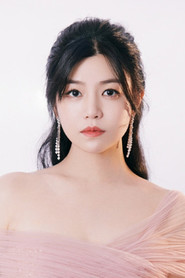
The narrative spine of the series rests on a risky structural gamble: a six-year separation that transforms the dynamic from mentorship to rivalry, and finally to partnership. This is where the script transcends its genre constraints. The "sponsorship" trope—where Cen Jin aids a younger, destitute Li Wu—could have easily veered into uncomfortable power imbalances. Instead, the series treats this history as a scar that must fade before a new relationship can form. Michelle Chen delivers a performance of remarkable restraint; her Cen Jin is a woman whose strength is a fortress built to keep pain out, but which inadvertently keeps love out too. She doesn't play the "cougar" or the "naive older sister"; she plays a survivor of her own high standards.
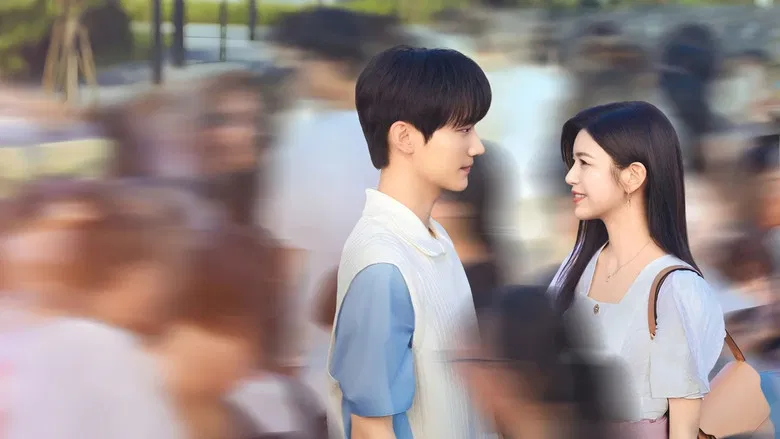
Opposite her, Daniel Zhou offers a revelation. Often, the younger male lead in these dynamics is reduced to a puppy-dog caricature of devotion. Zhou’s Li Wu, however, carries the weight of his poverty and the hunger of his ambition in equal measure. His return isn't just about romance; it's about reclaiming dignity. The chemistry between them burns not because of grand gestures, but because of a shared, unspoken language of trauma and relief. They are two people who have seen the worst of the world—one through the lens of divorce and societal pressure, the other through abandonment and scarcity—and find that the only place they can rest is with each other.

Ultimately, *Sniper Butterfly* succeeds because it refuses to let love be the sole solution to life’s problems. The romance does not "fix" Cen Jin’s career struggles or erase Li Wu’s past; rather, it gives them the fortitude to face those things separately. In a medium often obsessed with the adrenaline of the fall, Huang Tien-jen is more interested in the sustainability of the landing. It is a mature, aching, and deeply human work that reminds us that the bravest thing two people can do is simply witness each other’s growth, without looking away.