The Cul-de-Sac as a Hall of MirrorsSuburbia has never really been about the lawns. From the moment the first Levittown picket fence was hammered into the earth, the American suburb has served as a containment zone for the things we are too polite to scream about in public. In 1989, Joe Dante’s *The 'Burbs* satirized this with a manic, cartoonish glee, treating the cul-de-sac as a Looney Tunes set wired with explosives. In Peacock’s 2026 adaptation, showrunner Celeste Hughey and star/producer Keke Palmer attempt to rewire those explosives for a generation more terrified of microaggressions than satanic cults. The result is a series that, while visually polished and sporadically sharp, occasionally struggles to decide whether it wants to be a thriller about murder or a comedy about the horror of an HOA meeting.
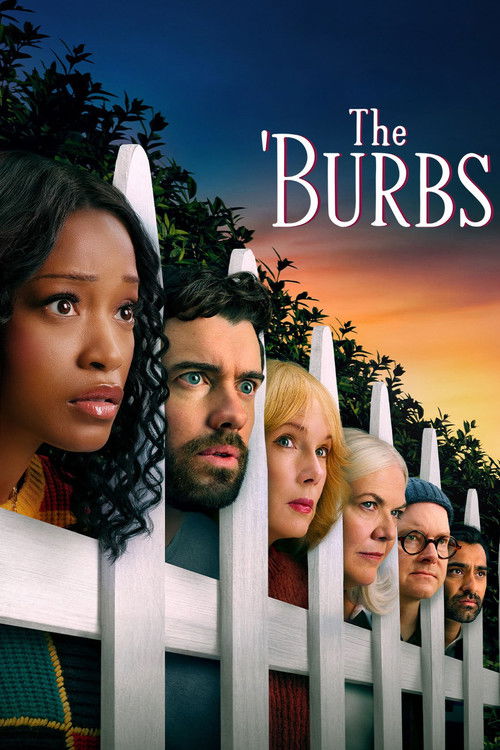
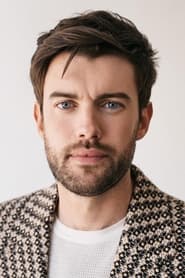
The premise remains deceptively simple: a young couple, Samira (Palmer) and Rob (Jack Whitehall), retreat from the city to Rob’s childhood home in Hinkley Hills. The twist, however, is not just the bodies potentially buried in the backyard, but the friction of identity. Palmer’s Samira is a Black woman entering a space that views her with a "benevolent" curiosity that is often more exhausting than overt hostility. The show is at its strongest when it leans into this specific anxiety—the feeling that the neighborhood watch is watching *you*, not out of protection, but out of a desperate need to categorize the outlier.
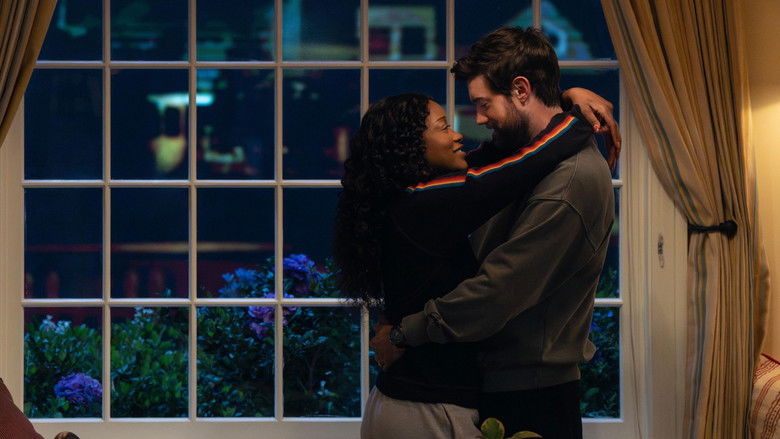
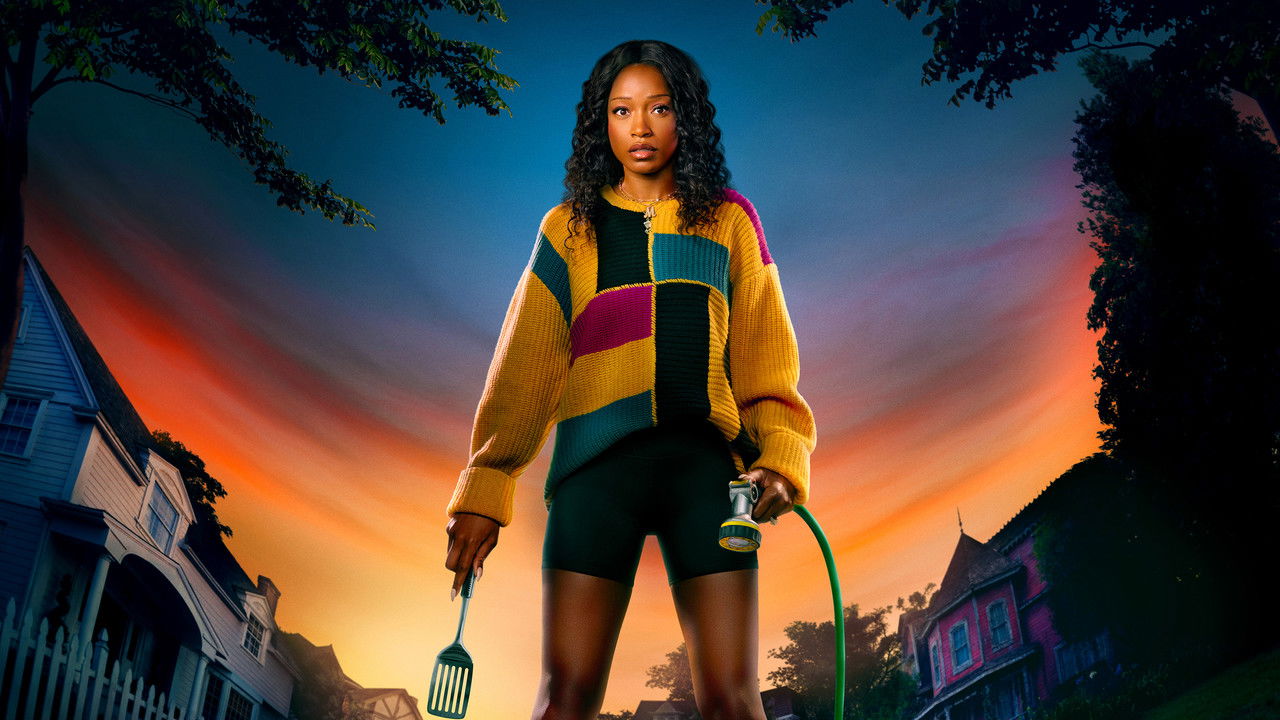
Visually, the series abandons the dusty, chaotic aesthetic of Dante’s original for a hyper-saturated, candy-colored prison. The cinematography treats Hinkley Hills like a dollhouse under a magnifying glass, where the sunlight is just a little too bright and the shadows a little too long. This stylistic choice works well to establish the sense of entrapment. The "perfect" neighborhood is rendered as a suffocating feedback loop of beige interiors and green lawns, creating a visual language that mirrors Samira’s internal claustrophobia. It’s a world where the horror isn't just a chainsaw in the night; it’s the relentless, crushing weight of conformity.
However, the transition from a 100-minute film to an eight-episode series is not without its structural casualties. The narrative sometimes sags under the weight of its own expansion. Where the original film was a pressure cooker that exploded, the series is a slow simmer that occasionally threatens to go cold. The mystery of the new neighbors—the catalyst for the paranoia—is stretched thin to accommodate character backstories that, while amusing, dilute the central tension. The show relies heavily on the comedic heavy lifting of its supporting cast, particularly the brilliant Paula Pell and Mark Proksch, who inhabit their eccentric suburban archetypes with a lived-in weirdness that feels like the show’s most authentic tribute to the Dante original.
Ultimately, *The 'Burbs* (2026) succeeds largely on the charisma of Keke Palmer, who anchors the show with a performance that balances screwball timing with genuine dramatic weight. She grounds the absurdity, reminding us that the true horror of the suburbs isn't the monsters next door, but the realization that you have voluntarily moved into a cage where everyone knows your name, your business, and exactly when you didn't bring your trash bins in. It is an imperfect renovation of a cult classic, but one that proves the foundation of suburban paranoia is still solid enough to build upon.