✦ AI-generated review
The Algorithm of Friendship
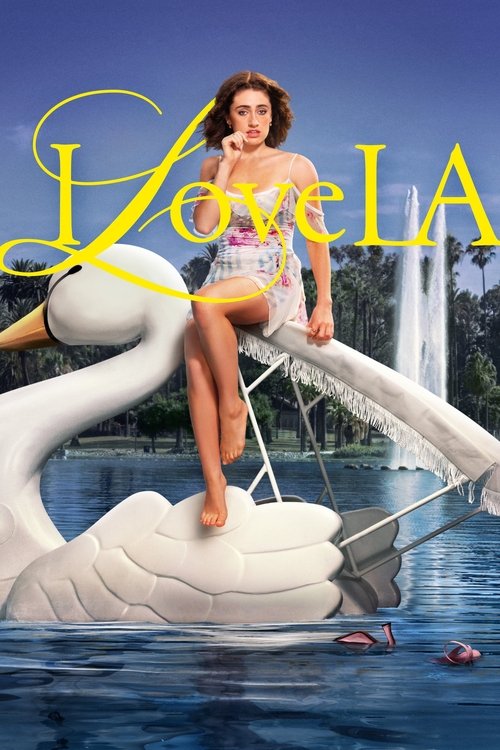
For the better part of a decade, television has been trying to solve the puzzle of the "messy millennial woman." From the raw confessionals of *Girls* to the stoned surrealism of *Broad City*, the genre has often framed female dysfunction as a necessary stage of growing up. But Rachel Sennott’s *I Love LA*, which arrived on HBO this past November, suggests that dysfunction is no longer just a phase—it is a career path.
Sennott, who created the series and stars as Maia, moves beyond the "broke artist" trope of her predecessors. In *I Love LA*, the characters aren't struggling to survive; they are struggling to be optimized. The series opens with a brilliant visual gag directed by Lorene Scafaria: Maia is introduced entirely obscured by her phone, a device that acts less like a tool and more like a prosthetic limb. This is the show’s thesis in a single frame: we are not just consuming content; we are being consumed by the mechanism of its delivery.
The narrative engine is the toxic, electric chemistry between Maia, a stalled talent management assistant, and Tallulah (Odessa A’zion), her estranged best friend who returns to Los Angeles as a chaotic, high-status influencer. A’zion is a revelation here, playing Tallulah not as a vapid airhead, but as a terrifyingly savvy businesswoman who understands that her "carefree" persona requires Kubrickian levels of precision. In one standout scene, Tallulah demands take after take of a 15-second TikTok video, stripping the joy out of spontaneity until only the *image* of joy remains. It is a harrowing look at how the "creator economy" turns human experience into an asset class.
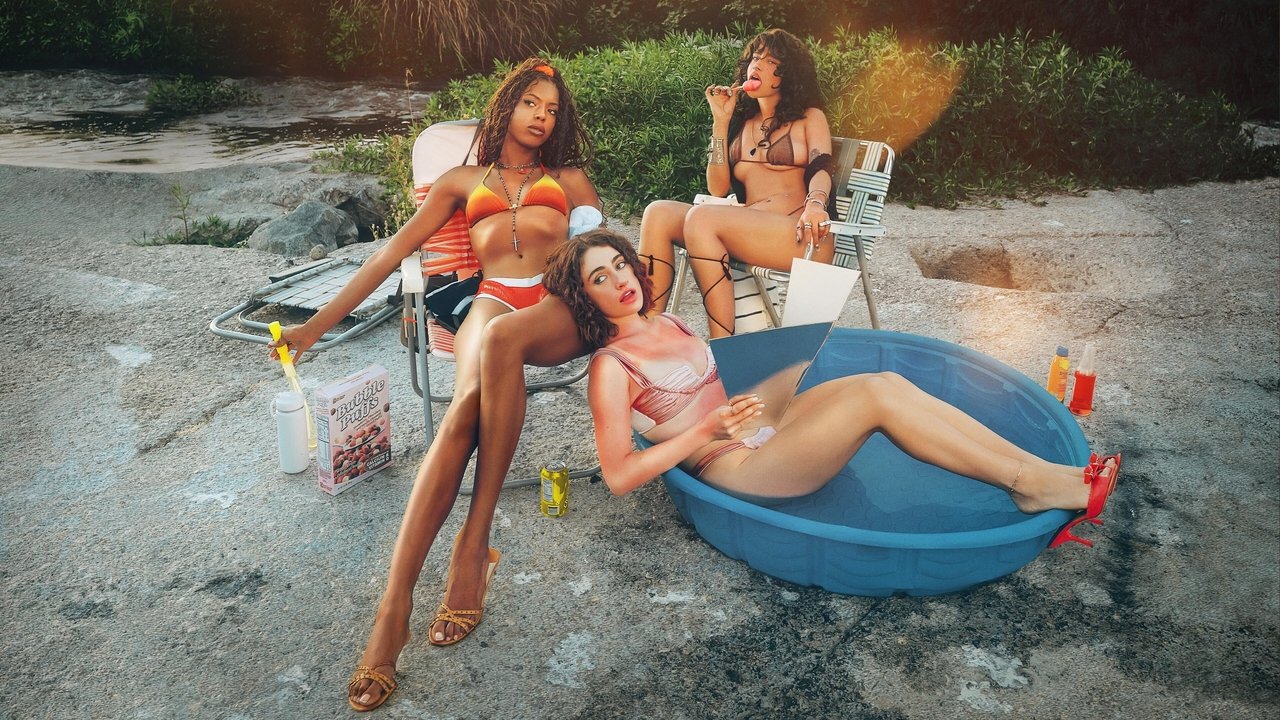
Visually, the show captures the specific, sun-bleached claustrophobia of Los Angeles. The cinematography renders the city in candy-coated hues—smooth, bright, and expensive—which contrasts sharply with the jagged anxiety of the characters. This is a world where an earthquake during sex (a scene played with masterful narcissism by Sennott) is annoying not because it’s dangerous, but because it interrupts the protagonist’s focus on her own pleasure.
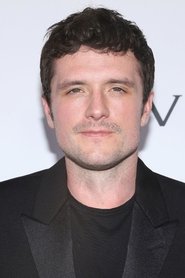
The show’s emotional intelligence shines brightest in its treatment of collateral damage. Josh Hutcherson offers a quietly tragic performance as Dylan, Maia’s boyfriend and a schoolteacher who gets swept up in the group’s digital debris. When a video of him doing cocaine at a party goes viral, he isn't just embarrassed; he is flattened into a meme ("Coke Larry"). The series treats this not just as a plot point, but as a horror story about the loss of personhood. While Maia worries about how the scandal affects her "brand" as a manager, Dylan loses his dignity to the internet's appetite for mockery.
*I Love LA* can be difficult to watch, largely because it refuses to let its characters off the hook. Maia is desperate to "manage" Tallulah, a desire that is as much about professional ambition as it is about controlling the uncontrollable friend who eclipses her. It is a friendship built on a ledger of envy and clout, yet Sennott writes these women with enough empathy to show us the terror beneath their vanity. They are terrified of silence, terrified of irrelevance, and terrified that if they put their phones down, they might cease to exist.
Ultimately, *I Love LA* is a sharp, biting evolution of the genre. It argues that in 2025, you don't need to be a celebrity to be destroyed by fame; you just need a Wi-Fi connection and a best friend who knows your angles.