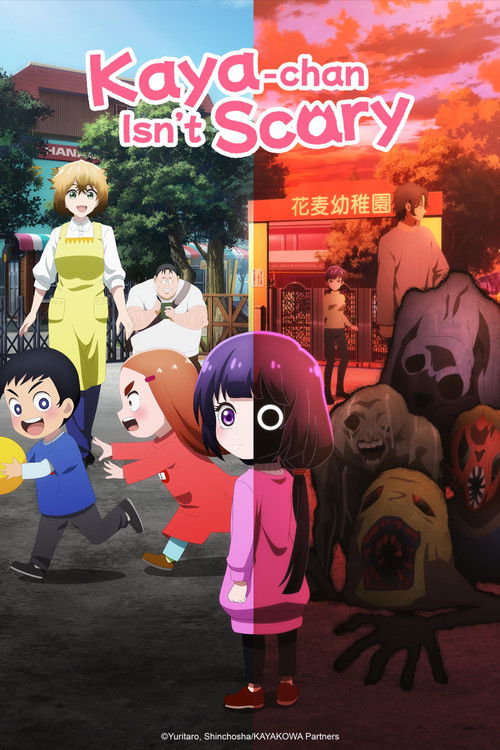
The Burden of Sight in the SandboxHorror cinema has long exploited the figure of the child as a vessel for the uncanny. From *The Omen* to *The Ring*, there is something instinctively unsettling about innocence corrupted by the supernatural. However, the newly released anime adaptation of *Kaya-chan Isn’t Scary* (Kaya-chan wa Kowakunai) asks a more poignant question: What if the "creepy child" isn't the monster, but the only line of defense against it? Director Hiroshi Ikehata, returning to the genre after his work on *Dark Gathering*, presents a series that deceptively masks its existential weight behind the bright primary colors of a kindergarten classroom.
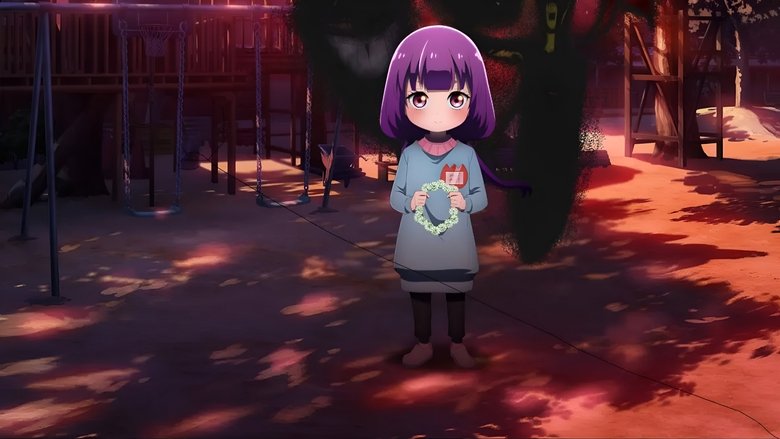
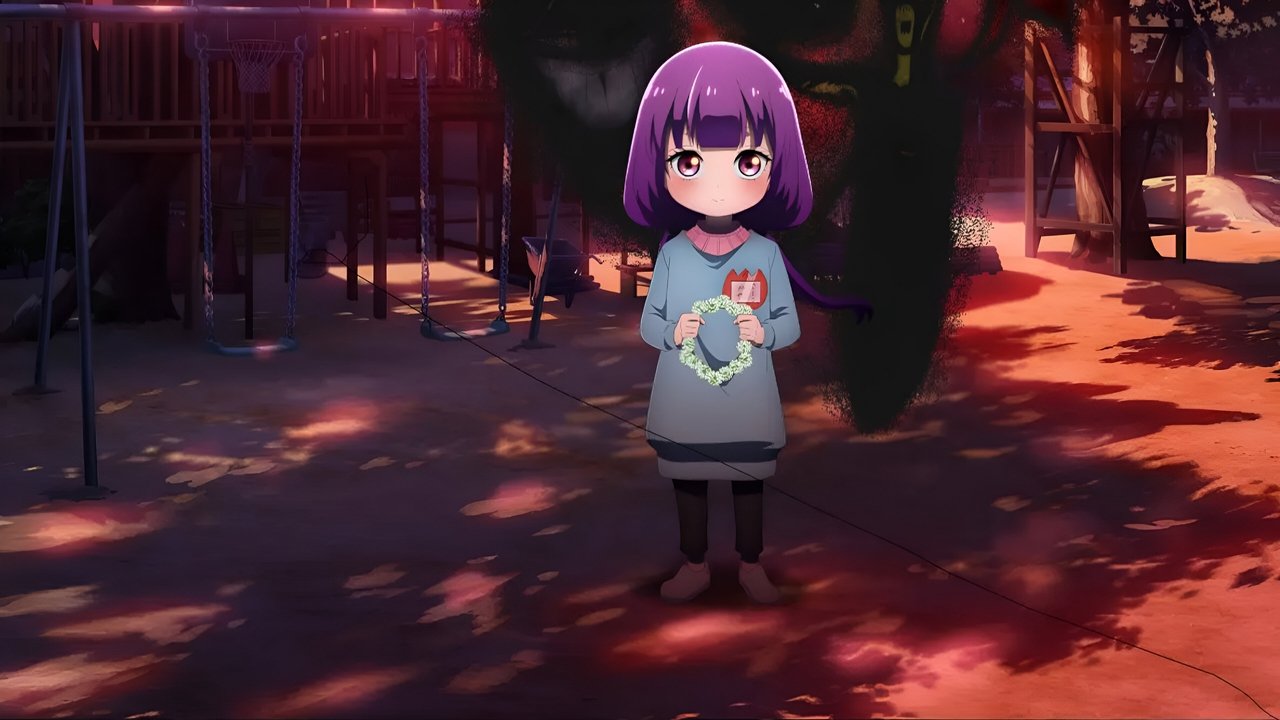
The visual language of the series is built on a jarring, deliberate dissonance. The world of Hanamugi Kindergarten is rendered in the soft, rounded aesthetic typical of slice-of-life anime—pastel aprons, sun-drenched playgrounds, and the cheerful cacophony of toddlers. Yet, superimposed over this idyllic setting are spirits drawn with a grotesque, scratchy violence that feels ripped from a different reel of film entirely. Ikehata understands that horror is most effective when it invades the safety of the mundane. When Kaya delivers a physical blow to a wandering spirit near the swing set, the animation shifts abruptly; the fluidity of childhood play is replaced by the kinetic impact of an action film. It is a stylistic choice that forces the audience to inhabit Kaya’s disorienting reality, where the spectral and the physical are constantly colliding.
At the narrative’s core lies a profound tragedy regarding the isolation of the gifted. Kaya is not celebrated for her exorcisms; she is ostracized for them. To the untrained eye of her teachers and peers, she is a violent problem child, lashing out at empty air or pushing classmates away for no reason. The script treats this misunderstanding with surprising emotional gravity. We watch Kaya accept the label of "troublemaker" with a stoic resignation that is heartbreaking to witness in a five-year-old. She absorbs the scoldings and the "time-outs" because the alternative—letting the spirits harm her friends—is unacceptable to her moral code.
The dynamic shifts with the introduction of Chie-sensei, whose gradual realization of Kaya's burden provides the series with its emotional anchor. Unlike the typical horror protagonist who unravels in the face of the unknown, Chie represents the power of witnessing. She cannot fight the battles Kaya fights, but by simply acknowledging them, she validates Kaya’s existence. This relationship transforms the show from a mere supernatural action-comedy into a meditation on empathy. It suggests that the most terrifying thing isn't the ghost in the closet, but the feeling of screaming for help in a crowded room where no one else can hear you.
Ultimately, *Kaya-chan Isn’t Scary* succeeds because it refuses to treat its premise as a mere gimmick. While the image of a kindergartner roundhouse-kicking a poltergeist is inherently absurd, the series plays it with a straight face, finding heroism in the absurdity. It is a story about the secret wars we fight to protect the things we love, and the heavy toll of possessing a vision that others lack. In a season crowded with derivative supernatural fare, this series stands out by reminding us that sometimes, the scariest part of growing up is realizing just how blind the adults really are.