The Thaw Before the BloomIn the vast, frenetic landscape of contemporary Korean drama, the "Urban Exodus" narrative has become a genre unto itself. It is a specific fantasy for the burnout generation: the protagonist, crushed by the hyper-competitive machinery of Seoul, flees to a coastal village or mountain hamlet where the air is cleaner, the pace is slower, and the local handyman is inexplicably gorgeous. *Spring Fever*, the latest directorial effort from Park Won-gook, initially appears to trace the familiar contours of this map. Yet, to dismiss it as merely another entry in the "healing romance" canon would be to overlook the specific, tactile melancholia that pervades its opening chapters. Park, coming off the dopamine-fueled revenge saga *Marry My Husband*, here trades kinetic rage for a stillness that feels heavy, earned, and surprisingly fragile.
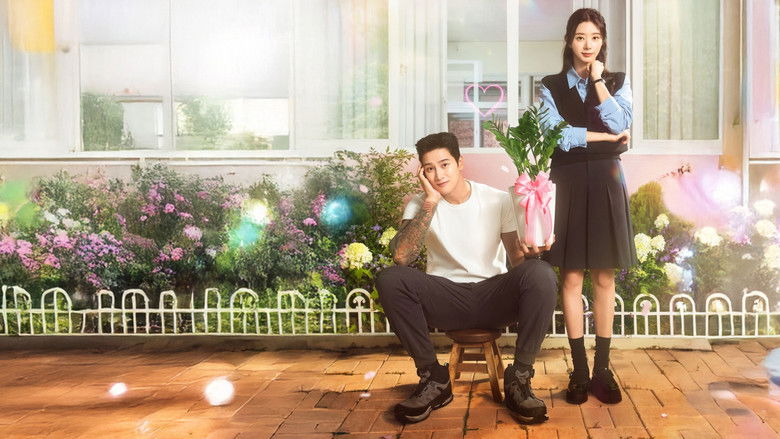
The series introduces us to Yoon Bom (Lee Joo-bin) not as a heroine ready for adventure, but as a woman in a state of suspended animation. Lee, stepping into a well-deserved leading role, plays Bom with a "zero-degree" performance style that is fascinating to watch. She isn’t wailing or drinking away her sorrows; she is simply *absent*. The camera captures her in the rural town of Shinsu-eup often framed by windows or doorways, physically present but emotionally sequestered from the vibrant community attempting to embrace her. The cinematography emphasizes this alienation, using a cool, desaturated palette for Bom’s perspective that sharply contrasts with the saturated, almost chaotic warmth of the town’s inhabitants.
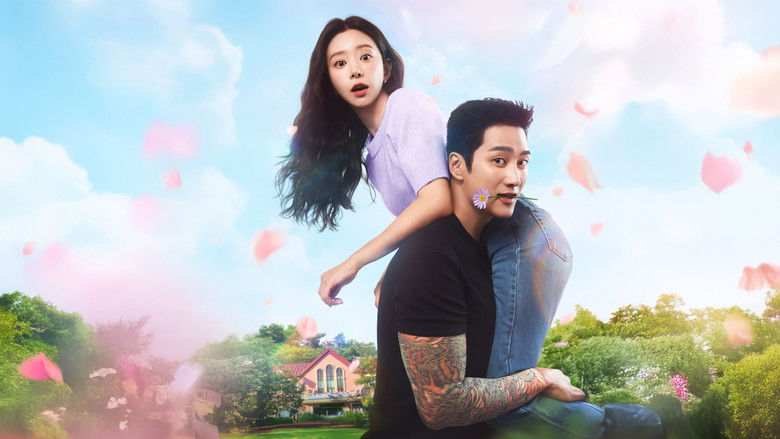
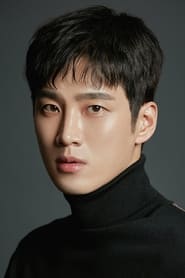
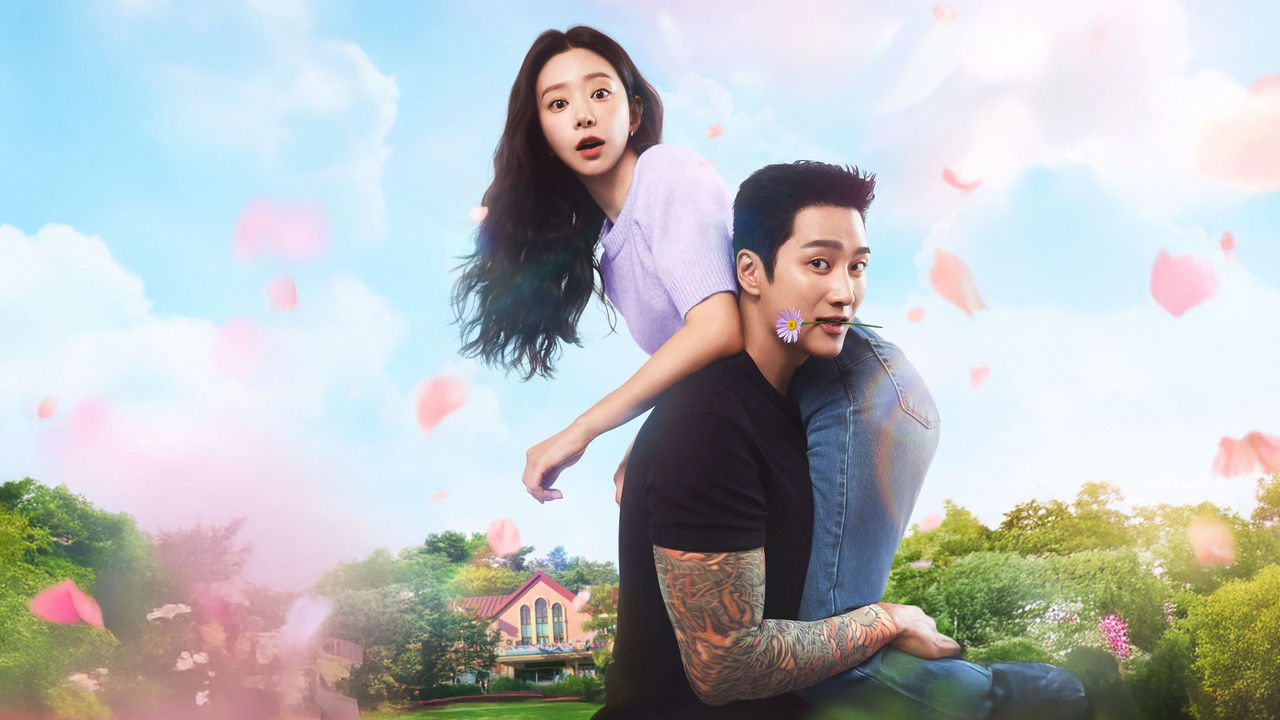
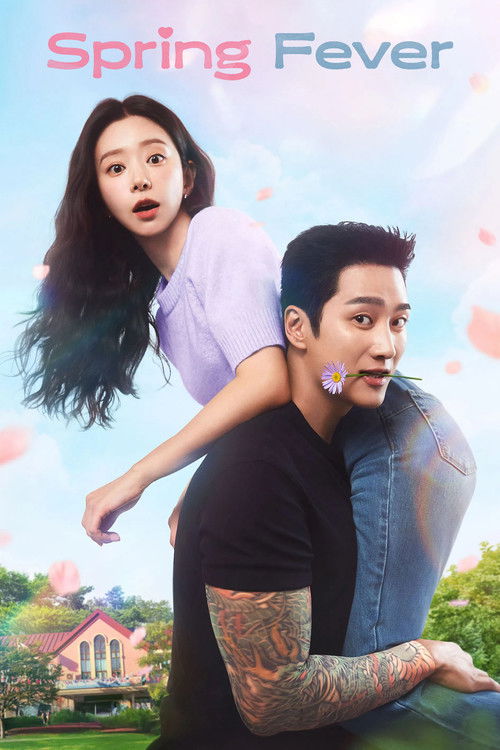
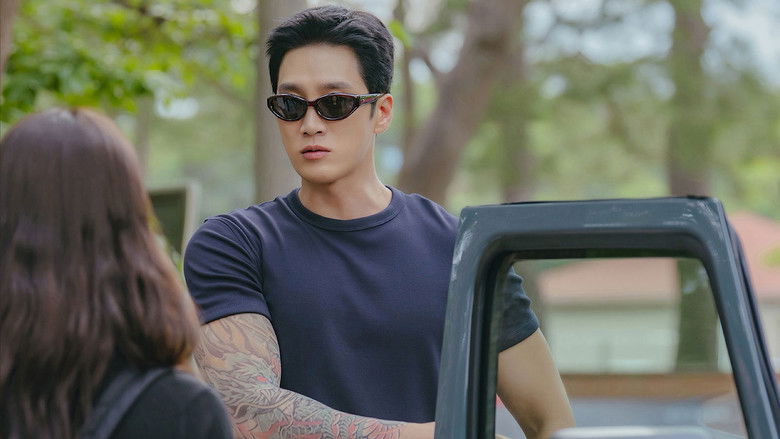
The disruption to this self-imposed winter comes in the form of Seon Jae-gyu, played by Ahn Bo-hyun. Ahn has long been one of the industry's most versatile physical actors, capable of shifting from menacing villainy to puppy-dog loyalty with a simple change in posture. Here, he weaponizes his imposing frame to subvert the standard "Prince Charming" trope. Jae-gyu is introduced almost like a creature of folklore—a "bear" of a man with a rumored gangster past and a visible dragon tattoo that sends the local faculty into a panic.
However, the script, adapted from Baek Min-a’s web novel, quickly peels back this rough exterior to reveal the show’s beating heart. The tension isn't "will they or won't they," but rather a study in "gap moe"—the charm of unexpected contradictions. Watch the scene where Jae-gyu storms into the school, terrifying the staff, only to passionately advocate for his nephew’s academic recognition. It is a performance of masculinity that prioritizes protection over dominance, offering a safe harbor for Bom that she doesn't yet realize she needs.
What elevates *Spring Fever* above its genre peers is its patience. It does not rush to "fix" Bom. The "spring" in the title suggests a thawing process that is messy and gradual, rather than an instant switch to happiness. The series seems less interested in the romance of attraction and more invested in the romance of *recognition*—the moment two people see the wounds behind each other's armor.
As the premiere episodes conclude, *Spring Fever* establishes itself not just as a comfort watch, but as a gentle interrogation of how we heal. It asks whether true recovery comes from escaping the world, or from finding a person who makes the world feel safe enough to inhabit again. In a medium often obsessed with high stakes and cliffhangers, Park Won-gook’s greatest gamble here is silence—and it pays off beautifully.