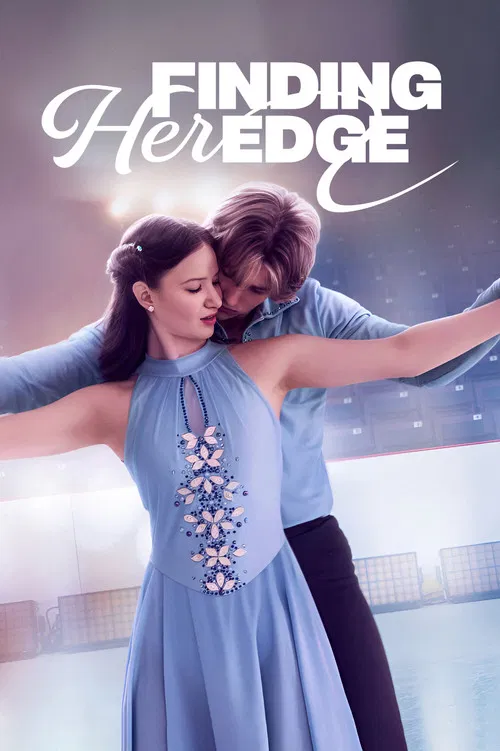
The Geometry of LongingThe sound of a skate blade carving into fresh ice is distinct—a violent scrape disguised as a graceful glide. It is a sound that defines *Finding Her Edge*, the new eight-part Netflix drama adapted from Jennifer Iacopelli’s novel. In a television landscape currently saturated with high-gloss teen melodramas that treat athletic ambition as a mere aesthetic backdrop, showrunner Jeff Norton and directors Shamim Sarif and Jacqueline Pepall have crafted something sharper. This is not merely a romance about figure skating; it is a meditation on the heavy, often crushing weight of dynastic expectations and the performance of intimacy in a digital age.
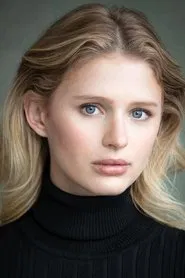
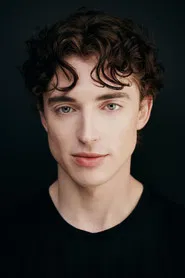
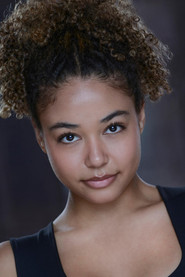
The series arrives at a moment when the "sports romance" genre is experiencing a renaissance, yet it distinguishes itself by refusing to let the glitter hide the bruises. The story centers on Adriana Russo (Madelyn Keys), a prodigy returning to the ice to save her family’s crumbling financial empire. The central conceit—a "fake dating" arrangement with her new bad-boy partner Brayden (Cale Ambrozic) to secure sponsorships—could have easily devolved into farce. Instead, the creators use this trope to interrogate the modern condition: the dissonance between who we are and who we perform for the cameras.
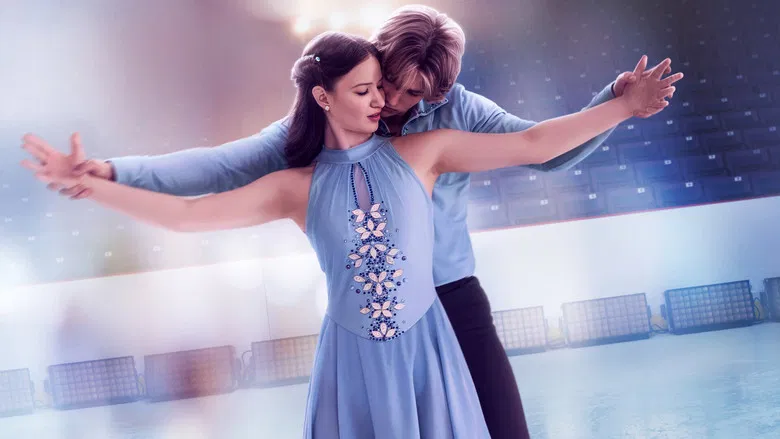
Visually, the series operates in a world of stark contrasts. The cinematography bifurcates Adriana's life into two color temperatures. The scenes within the Russo rink are bathed in cool, clinical blues and sterile whites—a space where affection is earned through technical precision and perfection is the only currency. Conversely, the chaotic Russo family home is rendered in suffocatingly warm, saturated ambers. It creates a visual language where the "cold" ice ironically offers the only clarity, while the "warm" home is a stifling pressure cooker of debt, grief, and unspoken resentment.
The choreography serves as dialogue here. When Adriana skates with Brayden, the movements are sharp, athletic, and transactional—a physical manifestation of their business arrangement. Yet, the camera lingers on the hesitation in a handhold or the syncopated breathing during a lift, suggesting that the body cannot lie even when the heart is trying to. This is particularly evident in the sequences involving her former partner and first love, Freddie (Olly Atkins). Their proximity on the ice feels dangerous, charged with a history that no amount of practiced indifference can erase.
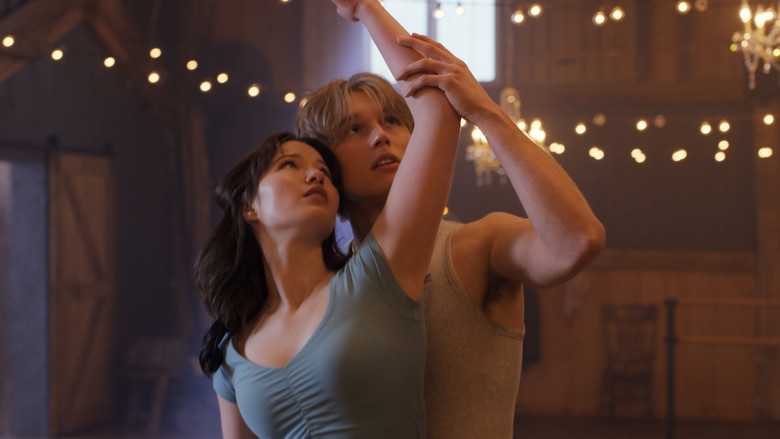
At its human core, *Finding Her Edge* is a tragedy about the commodification of youth. Madelyn Keys delivers a performance of quiet devastation. She captures the specific exhaustion of a girl who has been told that her value is inextricably linked to her ability to win. Her Adriana is not just choosing between two boys; she is choosing between the comfort of the past (Freddie) and the terrifying, uncertain potential of the future (Brayden). The "love triangle" is less about romance and more about identity politics. Does she belong to the legacy her parents built, or can she forge a self that exists outside the rink?
The narrative occasionally struggles under the sheer volume of its subplots—the financial ruin of the family business sometimes feels like a plot device rather than a lived reality—but the emotional stakes remain grounded. The writers understand that in elite sports, the most painful injuries are rarely the physical ones.

Ultimately, *Finding Her Edge* succeeds because it respects the silence between the applause. It suggests that the hardest part of skating isn't the jump, but the landing—the moment gravity reasserts itself and you have to stand on your own two feet. It is a compelling, often melancholy portrait of a young woman learning that while edge work requires balance, living a genuine life requires the courage to fall.