The Architecture of GuiltIn the vast, often sterile landscape of modern procedural crime dramas, there is a tendency to treat the mystery as a puzzle box—a mechanical contraption where the only goal is to find the key, unlock the truth, and restore order. But occasionally, a work arrives that understands the mystery is not the point; the mystery is merely the stage upon which human fragility performs. *Supersensory Maze* (2025), directed by Zang Xichuan, is one such work. It masquerades as a hunt for a syndicate leader, but underneath its noir-tinted veneer, it is a devastating architectural study of guilt—how we build it, how we live inside it, and how it eventually buries us.
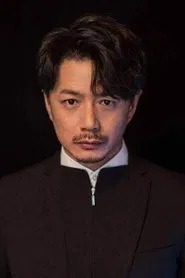
Zang Xichuan, a director who sharpened his teeth under the tutelage of Zhang Yimou, brings a cinematic weight to the small screen that feels suffocatingly intimate. He rejects the frantic editing of his contemporaries in favor of a patient, almost voyeuristic lens. The camera lingers on the negative space between characters, emphasizing the silence that Duan Yihong, playing the tormented police professor Xu Jingzhi, inhabits so comfortably.
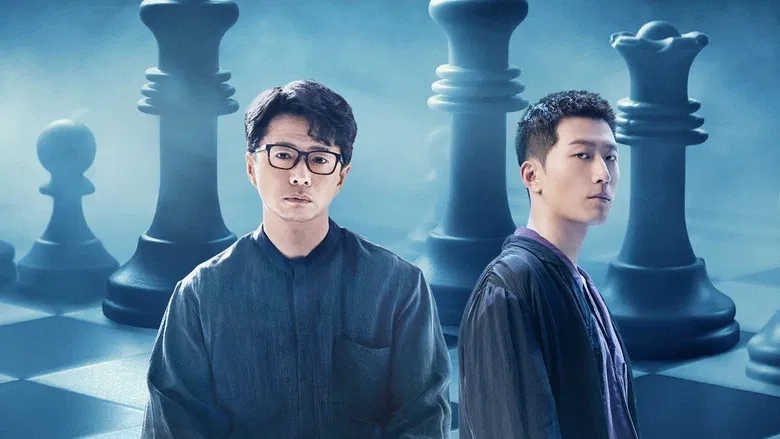
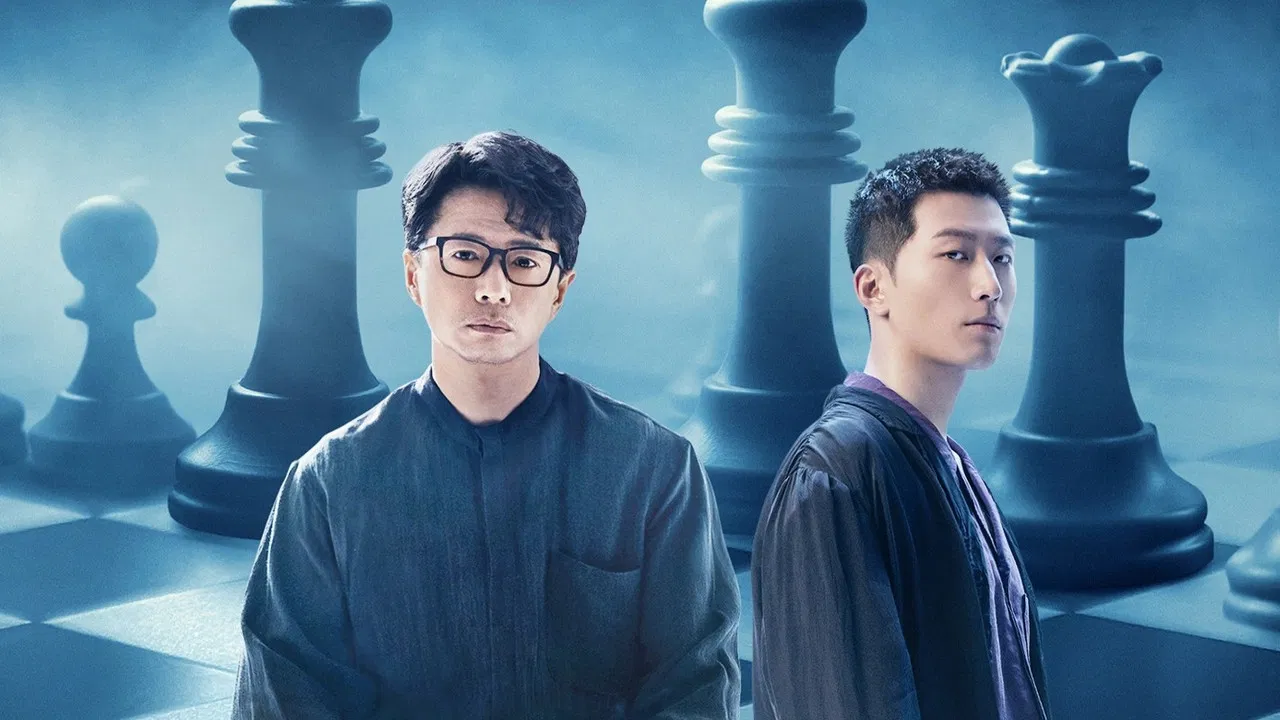
The visual language here is not about flash, but about texture. The "maze" of the title is rendered literally in the labyrinthine alleyways and sterile interrogation rooms, but more effectively in the lighting. Zang utilizes a palette of bruised blues and sickly yellows, creating a world where moral clarity is perpetually obscured by fog or shadow. When Xu Jingzhi stares into the abyss of his past, the abyss stares back with the face of Zhuang Mingcheng (a revelation of a performance by Shawn Dou).
The central dynamic is not a cat-and-mouse chase, but a tragic waltz between two men bound by a shared, traumatic history. Duan Yihong delivers a masterclass in repression; he plays Xu as a man eroding from the inside out, his stoicism a dam holding back a decade of regret. Opposite him, Shawn Dou sheds his usual idol-drama polish to embody a villain of terrifying pathos. As the revelation unfolds—that the man helping Xu is the very ghost he thought was left behind—the show pivots from whodunit to a Greek tragedy. Dou’s character is not simply "evil"; he is the inevitable result of a system that failed to protect a child, a monster created by the absence of love.
What makes *Supersensory Maze* linger in the mind is its refusal to offer catharsis through violence. The climax does not hinge on a gunfight, but on a choice. In a genre that usually demands a body count, Zang posits that the ultimate act of justice is not punishment, but acknowledgment. The ending, which has sparked conversation for its quiet restraint, suggests that some wounds cannot be stitched closed; they can only be carried with greater grace.
Ultimately, *Supersensory Maze* transcends the limitations of the "cop drama." It is an elegy for the lost children of a harsh society and a mirror held up to the adults who failed them. It asks us to consider if the true maze isn't the criminal underworld, but the complex, heartbreaking justifications we make to survive our own consciences.