The Loudness of the UnsaidIn the vast, often repetitive procedural landscape of British crime television, silence is usually a void—a gap to be filled with exposition, sirens, or the brooding monologues of a troubled detective. But in *Code of Silence* (2025), silence is not an absence; it is a texture, a weapon, and a distinct country with its own borders and laws. Created by Catherine Moulton, this six-part series operates less like a standard whodunit and more like a sensory translation, asking us to navigate a world where the truth is found not in what is heard, but in the terrifying clarity of what is seen.

The premise teeters on the edge of high-concept fragility: Alison Woods (Rose Ayling-Ellis), a deaf catering worker struggling to pay rent, is recruited by the police to lip-read the clandestine meetings of a criminal enterprise. It sounds like a gimmick, a narrative device designed to give a civilian an "in." Yet, Moulton and director Diarmuid Goggins dismantle this trope almost immediately. The series avoids the trap of treating Alison's deafness as a superpower. Instead, it is framed as a distinct lived experience—laborious, exhausting, and isolating.
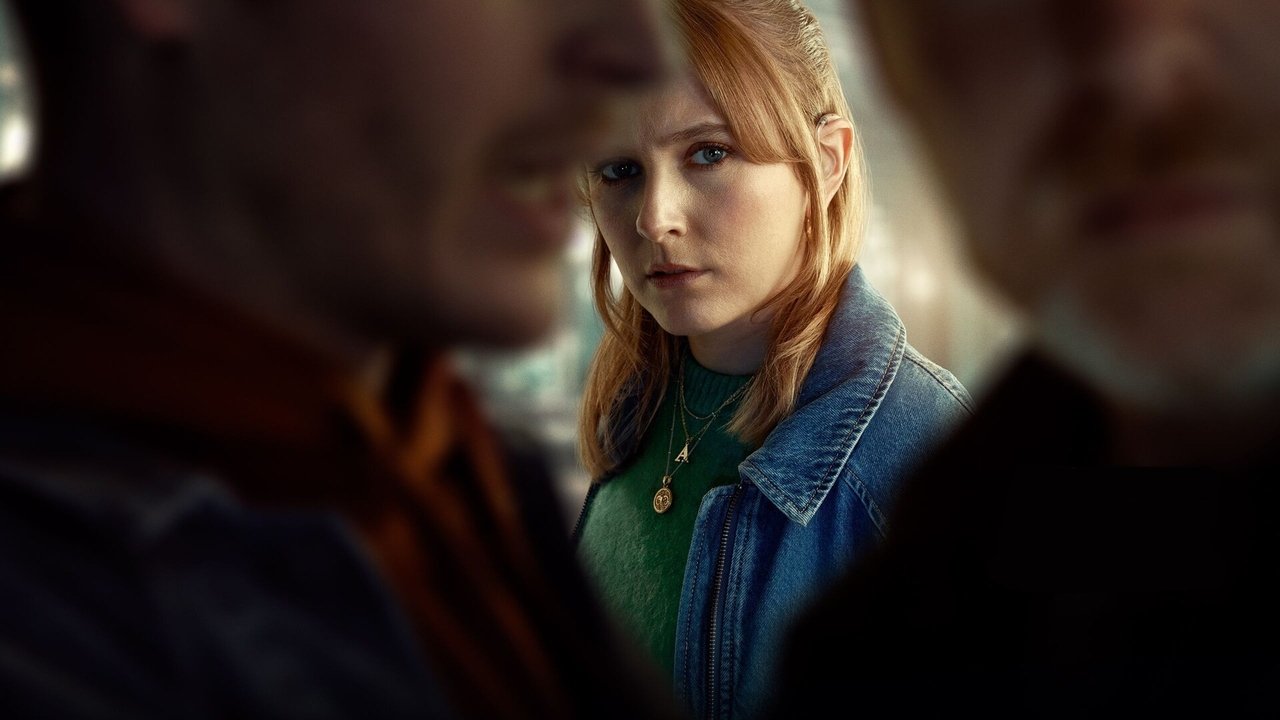
Visually, the show is a triumph of subjective perspective. The camera often lingers on mouths and throats, the frantic, blurry geometry of speech that Alison must decode. The sound design is equally immersive; the audio frequently drops into a muffled, aquatic hum, forcing the hearing audience to lean in, to feel the frustration of missing the context, of being perpetually a half-second behind the rest of the room. When the subtitles on screen fracture and dissolve—showing us the partial phonetic fragments Alison catches before her brain reassembles them into coherence—we are witnessing the cognitive load of her daily existence. It is a brilliant, suffocating piece of filmmaking that turns a physiological reality into cinematic tension.

At the narrative's center is the friction between Alison and the hearing world, represented by the police officers who view her as a "resource" rather than a person. Charlotte Ritchie and Andrew Buchan play their detective roles with a weary, bureaucratic edge, but it is Ayling-Ellis who anchors the show. Her performance is physically precise and emotionally raw, stripping away the "inspirational" veneer often plastered onto disabled characters. She plays Alison as messy, reckless, and deeply human. Her evolving relationship with Liam (Kieron Moore), a member of the gang she is surveillance, moves the show from procedural to noir. Their connection is built in the quiet spaces—a dangerous intimacy that screams louder than the dialogue around them.
*Code of Silence* is not without its narrative conveniences; the leap from cafeteria worker to key investigative asset requires a suspension of disbelief that the script occasionally strains to earn. However, the show succeeds because it prioritizes emotional stakes over mechanical plot twists. The true crime here isn't the heist being planned, but the systemic dismissal of those who communicate differently.
By the time the credits roll on the finale, the series has established itself as more than just a thriller. It is a critique of how we listen. In a genre obsessed with noise—gunshots, shouting matches, banging gavels—*Code of Silence* dares to suggest that the most dangerous things are the ones we never hear coming. It is a tense, essential addition to the canon of modern British noir, proving that sometimes, you have to turn the volume down to truly understand the story.