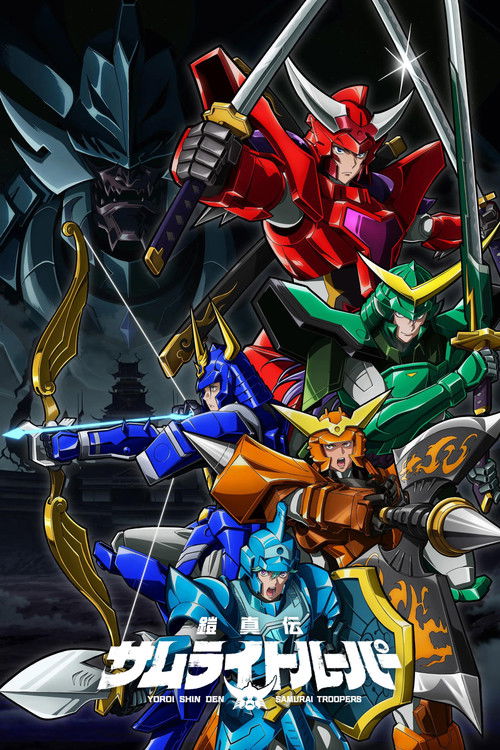
Echoes in the Steel: The Burden of LegacyTo revisit the world of *Yoroiden Samurai Troopers* (known to Western children of the 90s as *Ronin Warriors*) is to step back into a specific frequency of anime history: a time when magical girl teamwork met the brooding, heavy-metal aesthetics of boy-centric action. It was always the moodier, more melancholic cousin to *Saint Seiya*—less about the glory of combat and more about the crushing weight of duty. In 2026, *Yoroi-Shinden Samurai Troopers* attempts to resurrect this ghost, not as a remake, but as a direct, legacy-laden sequel. The result is a series that feels less like a toy commercial and more like a meditation on the cyclical nature of war.
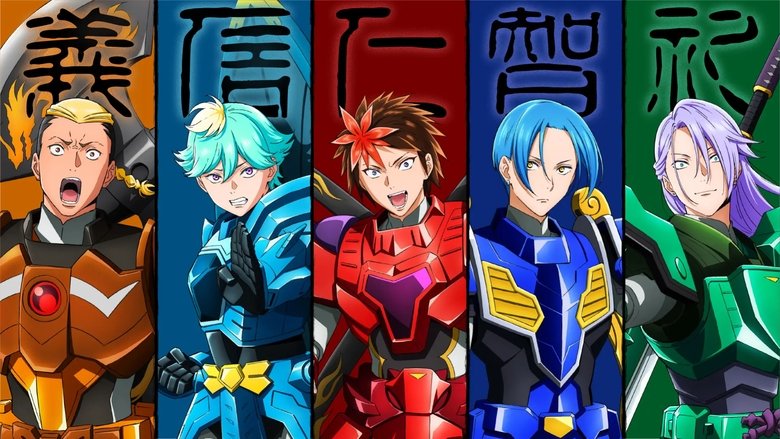
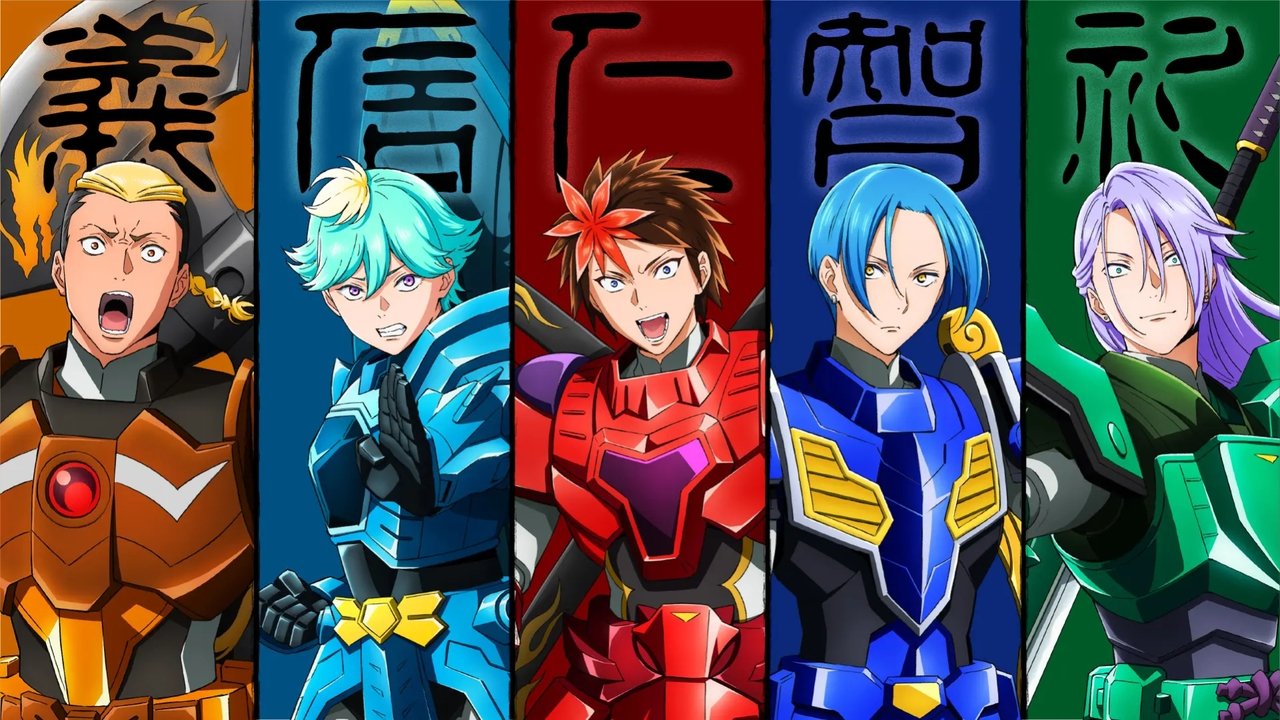
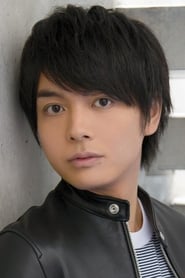
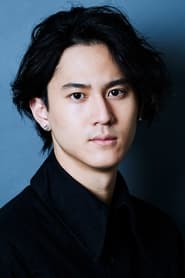
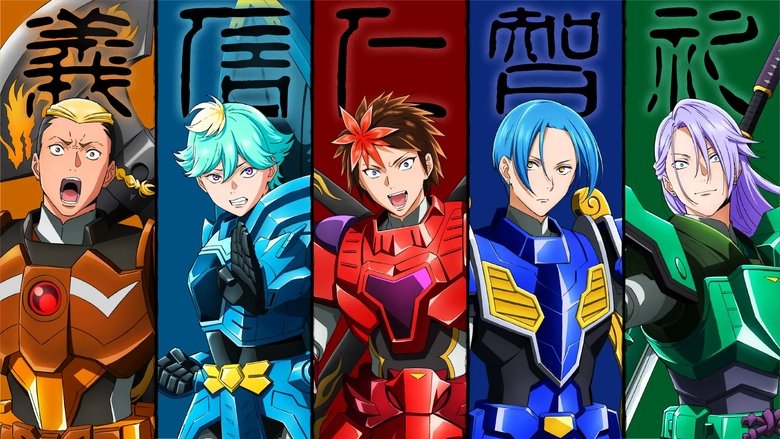
Director Yoichi Fujita, best known for the chaotic energy of *Gintama*, might seem an odd choice for a franchise rooted in stoic samurai virtue. Yet, his touch here is surprisingly restrained. Visually, the series is a fascinating, if occasionally jarring, collision of eras. The character designs by Yuhei Murota (famous for the *Love Live!* franchise) give the new cast—Hiiro Ishibashi’s Gai and Junya Enoki’s Kaito—a softness that contrasts sharply with the angular, industrial cruelty of the armor designs, which have been faithfully updated by original designer Hideo Okamoto.
The visual language emphasizes this dichotomy. When the characters are in their civilian clothes, the lighting is warm, the lines soft—they are children. When the "Yoroi" (armor) manifests, the screen becomes suffocated by jagged steel and neon energy. The transformation sequences are no longer just triumphant power-ups; they are depicted almost like an incarceration. The armor snaps shut with a heaviness that implies a burden being placed upon young shoulders. It is a stunning aesthetic choice that elevates the material above standard *tokusatsu* fare.
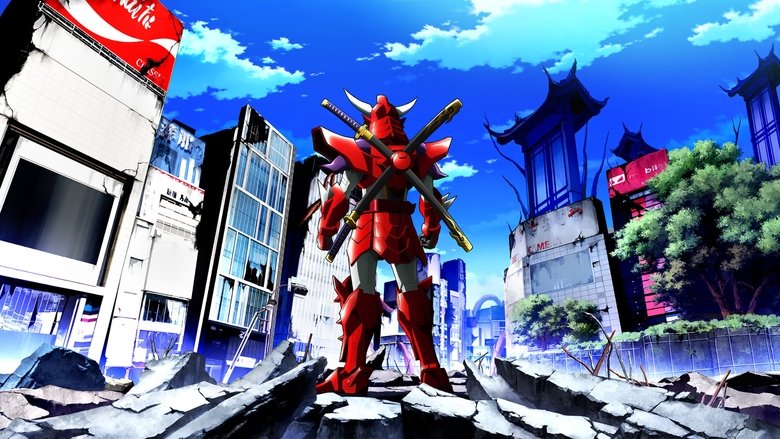
The heart of *Yoroi-Shinden*, however, lies in its refusal to simply replay the hits. The narrative premise—that the Demon Lord Arago has returned a thousand years later—forcing a new generation to take up the mantle, serves as a grim commentary on the failure of the past. The return of Nasti Yagyu (voiced with weary authority by Sayaka Kinoshita) as the commander bridges the gap between the 1988 original and today. She is the anchor, a character who remembers the cost of the first war and watches with dread as history repeats itself.
The performance of the new cast is pivotal here. Hiiro Ishibashi plays Gai not as a hot-blooded hero, but as a reluctant warrior terrified by the power he wields. The script, supervised by Shogo Muto, leans into the psychological isolation of the "Sentai" trope. These five young men are bound by destiny, but the series grants them moments of genuine friction and resentment toward that destiny. They are fighting a war they did not start, using weapons that are as likely to consume them as protect them.
Ultimately, *Yoroi-Shinden Samurai Troopers* succeeds because it respects the intelligence of its audience. It understands that the children who watched the original are now adults who understand that "evil" is rarely defeated forever—it merely goes dormant. By blending crisp, modern animation with the heavy, percussive beats of 80s storytelling, the series manages to forge something that feels both nostalgic and urgently new. It is a reminder that while the armor may be shiny and new, the flesh beneath it remains fragile, human, and desperately brave.