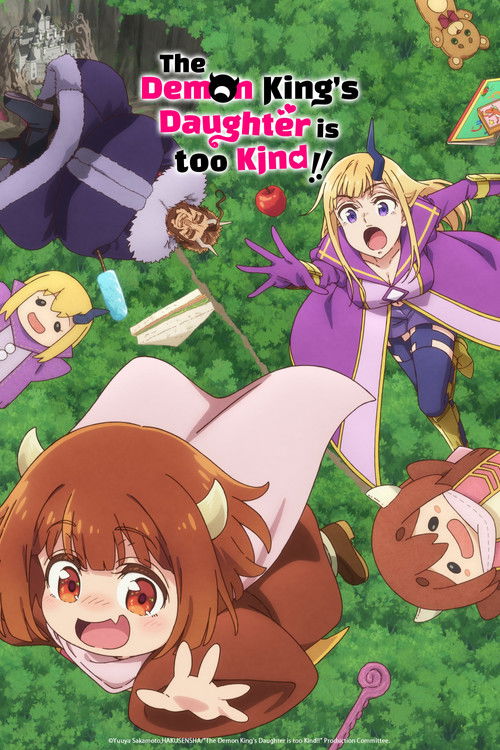
The Tyranny of GentlenessThe modern fantasy landscape is littered with the corpses of Demon Lords. In the relentless machinery of the *isekai* genre, the Demon King is usually a plot device—a final boss to be slain, a grim conqueror to be overthrown, or occasionally, a misunderstood bureaucrat. But *The Demon King's Daughter Is Too Kind!!* (2026) asks a more disarming question: What if the ultimate evil is simply paralyzed by the ultimate good? Arriving in the Winter 2026 season amidst a glut of high-octane action series, this adaptation of Yuya Sakamoto’s manga does not seek to deconstruct the genre with cynicism, but rather to dissolve it in sugar. It posits that the only force capable of halting a global apocalypse is not a holy sword, but a toddler who doesn't understand the concept of malice.
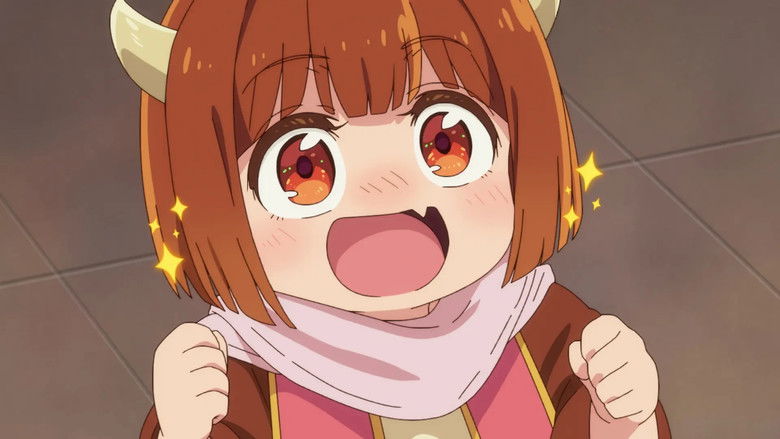
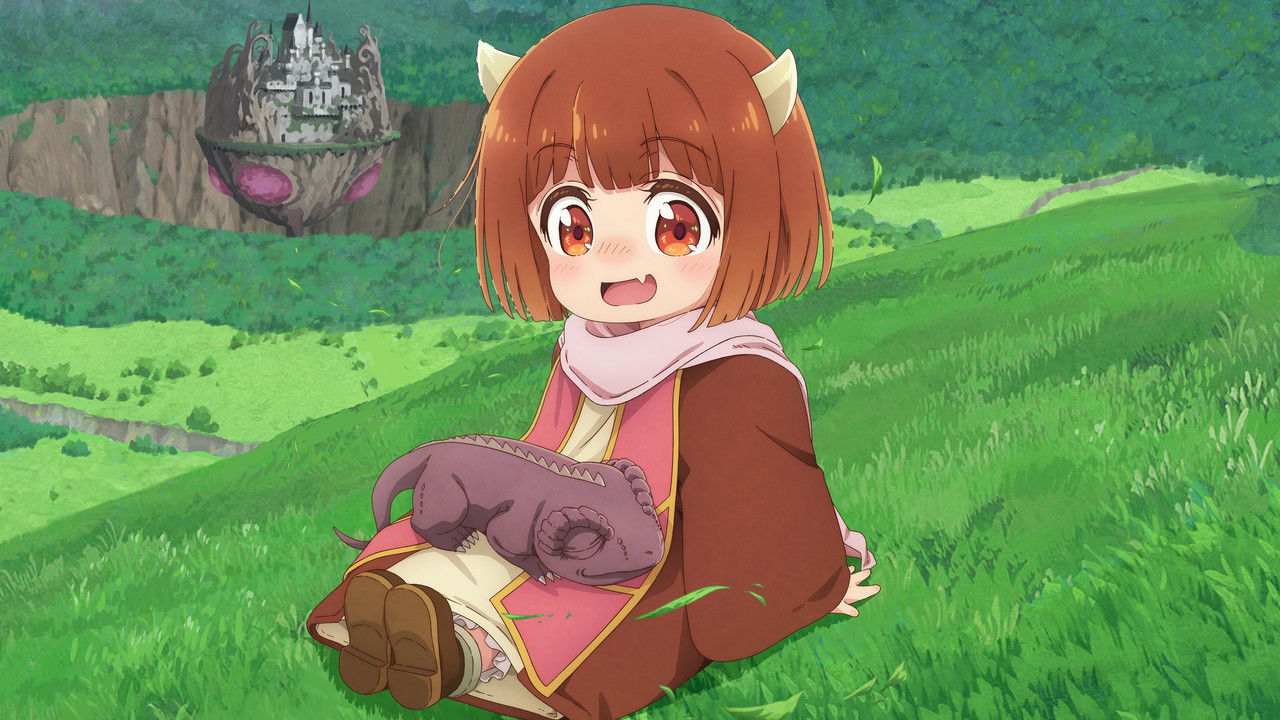
Director Masahiko Ota is no stranger to the mechanics of "cute" comedy, having helmed genre staples like *Himouto! Umaru-chan* and *Gabriel Dropout*. Here, he deploys his signature timing to devastating effect. The visual language of the series is built entirely on the friction between two opposing aesthetics: the jagged, shadowed, heavy-metal architecture of the Demon World and the soft, pastel-rounded character design of Dou. Ota understands that for "gap moe" (the charm derived from contradictions) to work, the "gap" must be a canyon. The background art depicts a suffocating realm of lava and iron, yet the camera lenses it through Dou's perspective, softening the edges until even the most grotesque gargoyle looks like a potential playmate. The animation doesn't just show us Dou is kind; it warps the reality of the show to match her worldview, turning a terrifying interrogation into a tea party.
The narrative weight, however, rests not on the child, but on her caretakers. The casting of Akio Otsuka as Demon King Ahriman is a stroke of meta-textual brilliance. Otsuka, known for voicing hardened warriors and stoic killers (like Snake in *Metal Gear* or Black Jack), lends his gravelly baritone to a father who is terrified of his own affection. The show’s brilliance lies in the fact that Ahriman isn’t "pretending" to be evil; he *is* evil. He wants to conquer. He wants to pillage. But he is legally and emotionally bound by the fact that his daughter brought him a flower. The central conflict is one of nature versus nurture, inverted: Jahi (the harried aide) and Ahriman are trying desperately to nurture "evil" into a being whose nature is fundamentally, terrifyingly good.
Ultimately, *The Demon King's Daughter Is Too Kind!!* is a deceptively simple "healing" anime (Iyashikei) that functions as a relief valve for the tension of modern fantasy. In a medium obsessed with power leveling and dominance, there is something quietly radical about a protagonist whose only ability is an incapacity for harm. It suggests that kindness is not a weakness to be exploited, but an overwhelming force that disrupts the status quo more effectively than any army. While the premise could easily wear thin if stretched too far, the early episodes prove that watching the forces of darkness crumble before a smile is a satisfying, if diabetic, form of defeat.