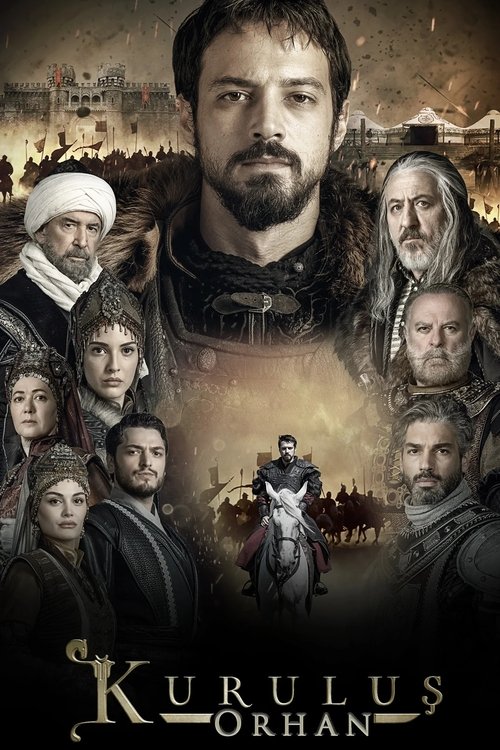
The Silent ArchitectIn the sprawling tapestry of Turkish historical epics, the transition from *Kuruluş: Osman* to *Founder: Orhan* (Kuruluş: Orhan) represents more than just a casting change; it signals a fundamental shift in the historiographical psyche. If the previous decade of television—dominated by the thundering hooves of *Ertuğrul* and the charismatic fury of *Osman*—was about the sword, *Founder: Orhan* is a meditation on the stone. Directed by Bülent İşbilen, this 2025 iteration moves the narrative from the adrenaline of survival to the heavy, complex burden of civilization-building.
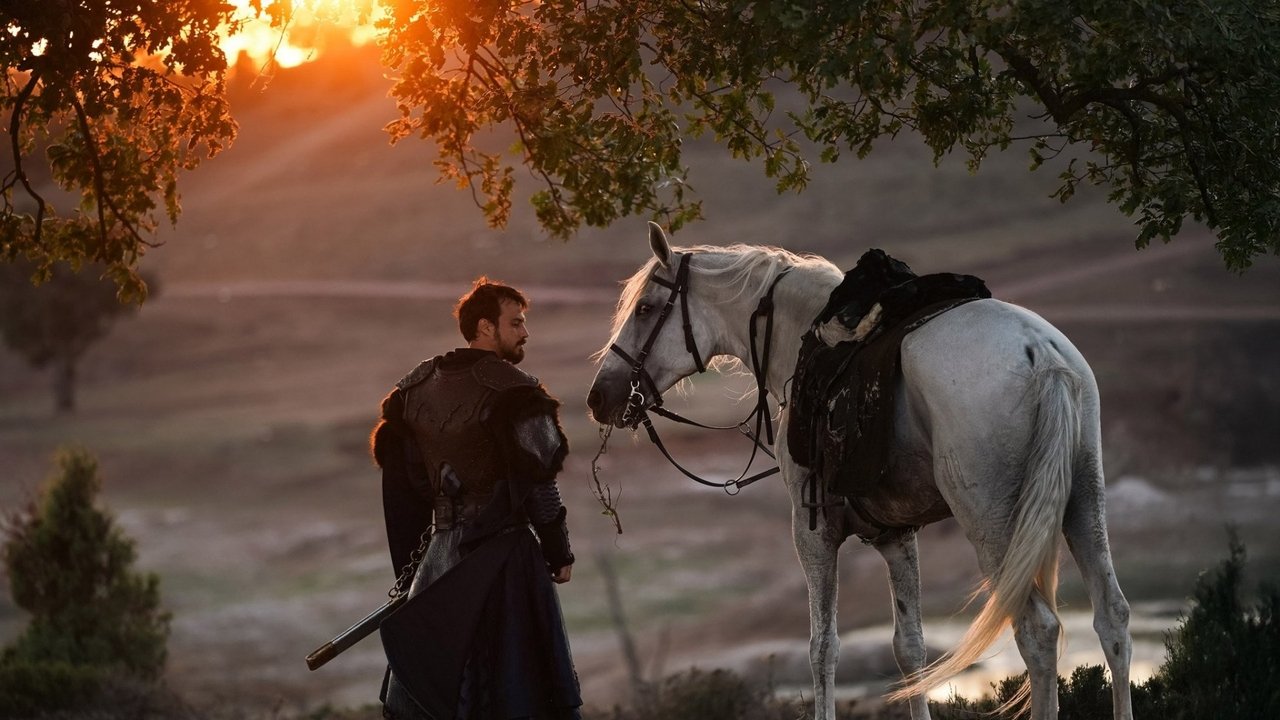
The series opens not with the breathless frenzy of an ambush, but with a palpable sense of weight. We are no longer merely in the nomadic tents of the Kayı tribe; we are on the precipice of an empire. The visual language reflects this maturation. The cinematography trades the frenetic, muddy chaos of tribal skirmishes for wider, more static compositions that emphasize geography and fortification. The camera lingers on the walls of Bursa, presenting the city not just as a military objective, but as a symbol of the permanence that Orhan (Mert Yazıcıoğlu) seeks to establish.
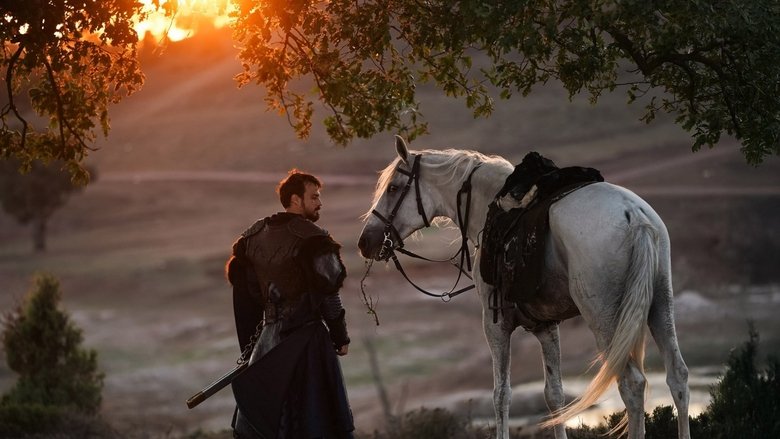
At the center of this shift is Mert Yazıcıoğlu’s portrayal of Orhan Bey, a performance that bravely defies the archetype set by his predecessors. Where Burak Özçivit’s Osman was a force of nature—a storm of fire and passion—Yazıcıoğlu plays Orhan with a terrifying quietude. He is the intellectual warrior, the son who must transmute his father's dream into bureaucratic and logistical reality.
This is most evident in the season’s standout sequence involving the diplomatic parley at the gates of Karacahisar. In a genre often addicted to the clash of steel, İşbilen allows the scene to play out in tense silence. Orhan does not shout; he negotiates. The tension is derived not from who will draw their sword first, but from the realization that Orhan is outmaneuvering his Byzantine counterparts, Barış Falay’s formidable antagonists, through statecraft rather than bloodshed. It is a risky creative choice to make a "war" series about the restraint of power, but it pays off by humanizing the cost of leadership.
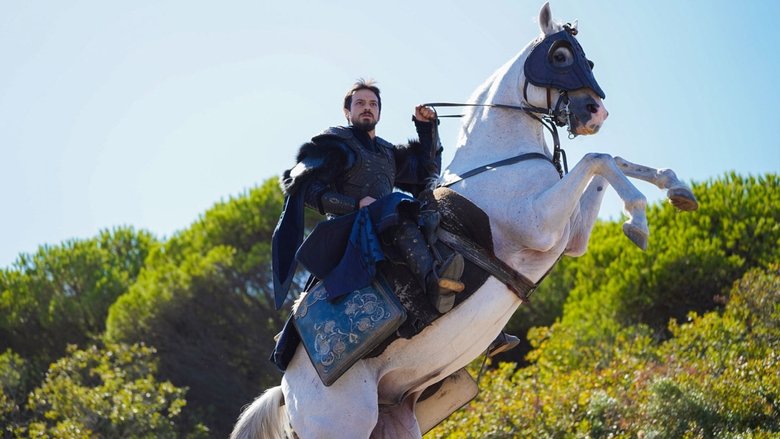
The supporting cast, particularly Mahassine Merabet, anchors the show’s emotional stakes. The script avoids the trap of reducing female characters to mere silent witnesses or damsels; instead, the internal strife of the harem and the court mirrors the external political fragmentation. The relationships here are transactional and tender in equal measure, reflecting a society moving from kinship-based loyalty to imperial hierarchy.
However, the series is not without its stumbling blocks. At times, the narrative sags under the weight of its own exposition, struggling to make the minting of coins or the establishment of a standing army as viscerally thrilling as a cavalry charge. Yet, this pacing seems intentional. The director demands patience, asking the audience to understand that the "founding" of the title is a slow, masonry-like process.
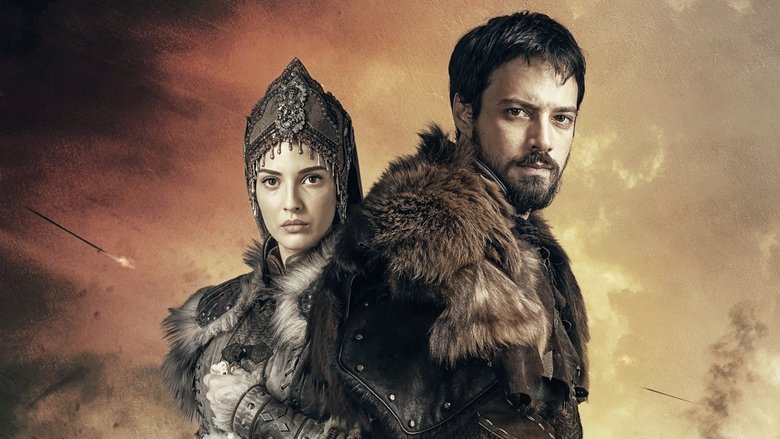
Ultimately, *Founder: Orhan* succeeds because it refuses to simply emulate the "shouting and slashing" formula of its lineage. It posits that while it takes a warrior to conquer a hill, it takes a visionary to build a city upon it. In an era of media that often prioritizes spectacle over substance, this series dares to ask a more difficult question: What happens when the fighting stops, and the ruling begins?