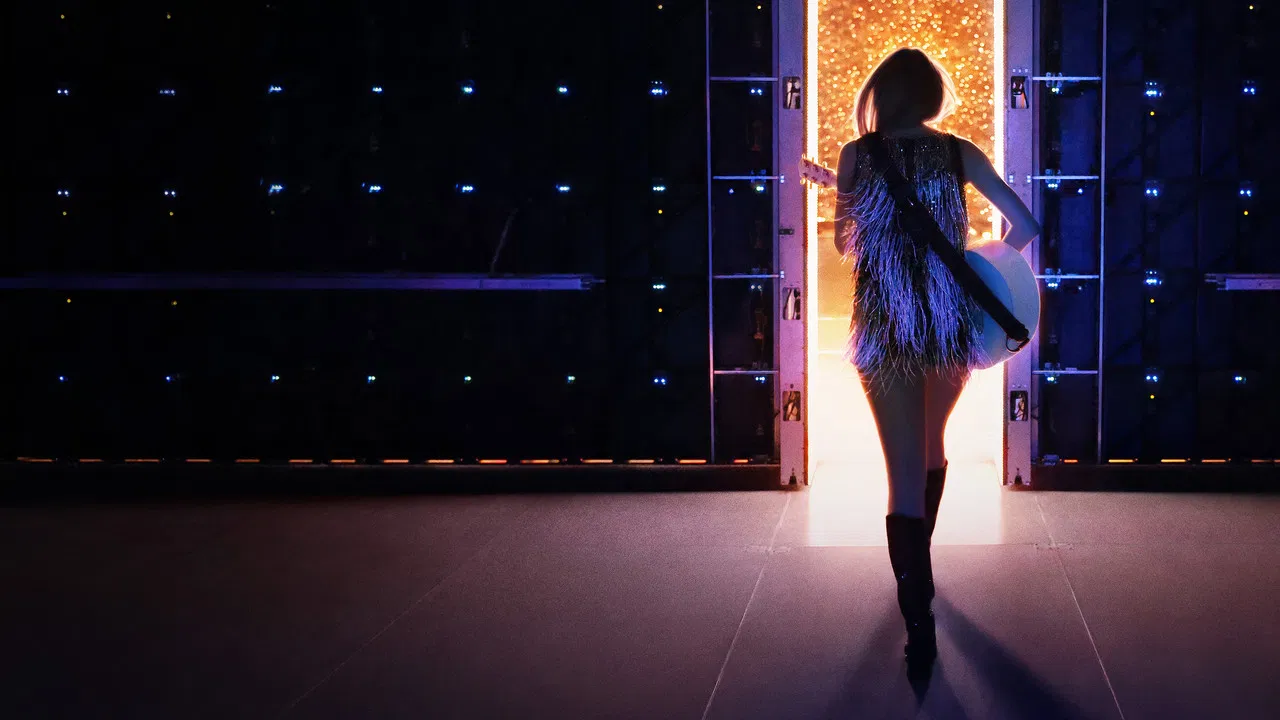
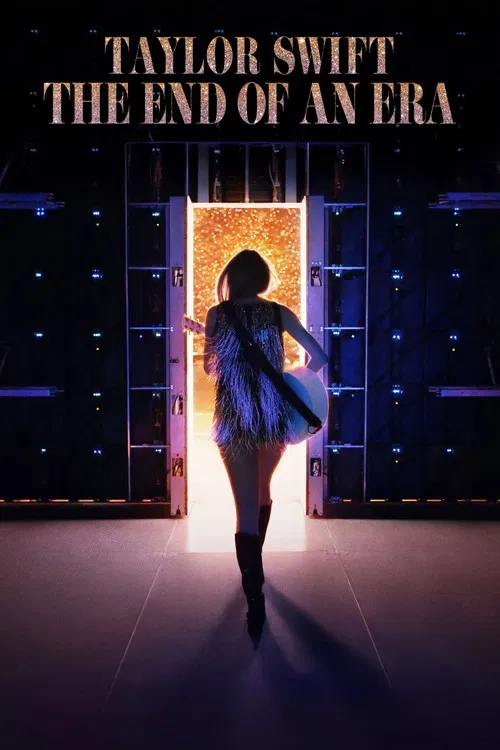
The Architecture of FarewellThere is a moment in the fourth episode of *Taylor Swift | The Eras Tour | The End of an Era* that functions less like a backstage peek and more like a collective exhale. The camera lingers on a quiet corridor in a stadium bowel—likely Wembley or perhaps Vancouver—where the roar of 90,000 people vibrates the concrete walls like a trapped frequency. In this liminal space, the woman who has become the economic and emotional axis of the music industry stands still. She isn't performing "Taylor Swift" the brand; she is simply a person bracing for impact. It is here that directors Don Argott and Sheena M. Joyce find the pulse of a series that could have easily been a victory lap. Instead, they have delivered an elegy for a phenomenon.
To call this docuseries "content" would be a disservice to its editing. Released by Disney+ in the dying breath of 2025, *The End of an Era* serves as the necessary counterweight to the glossy, impenetrable perfection of the 2023 concert film. If the concert film was the myth, this series is the manuscript, messy with revision marks. The narrative isn't just about how the stage was built, but how the people on it survived the sheer velocity of their own success. We watch the integration of *The Tortured Poets Department* set not as a logistical triumph, but as an artistic compulsion—a need to bleed new wounds in real-time before an audience that treats her diary entries as scripture.
Visually, the series oscillates between the claustrophobic intimacy of dressing rooms and the terrifying vastness of the crowds. The directors understand that the spectacle of the Eras Tour was never really the pyrotechnics; it was the scale of human connection. The camera work emphasizes this disparity. We see the sweat on a dancer’s brow, the fraying nerves of a lighting technician, and then, a cut to a drone shot of a stadium that looks like a bioluminescent organism. The sound design follows suit, muting the pop anthems we know by heart to amplify the in-ear monitor feeds—the heavy breathing, the count-offs, the verbal non-verbal communication of a unit moving as one.
However, the series’ true gravity lies in its shadow. The inclusion of the Vienna terror plot and the tragedy in Southport, UK, punctures the bubble of pop escapism with devastating precision. These segments are handled without the sensationalism of a true-crime doc but with a sober, heavy silence. We see a Swift who is not just a CEO managing a crisis, but a figurehead grappling with the terrifying realization that her joy-machine has become a target. It reframes the "friendship bracelet" ethos from a cute marketing quirk into a fragile, necessary act of defiance. The performance of "Marjorie" shown after these segments feels different; it is no longer just about a grandmother, but about the precariousness of memory and safety.
By the time the final episode chronicles the Vancouver finale, the "End of an Era" title feels earned rather than marketed. We are witnessing the dismantling of a city that moved from town to town. The cameos by Ed Sheeran or Florence Welch feel less like star-studded garnish and more like distinct checkpoints in a long, exhaustion-fueled journey. The series succeeds because it refuses to pretend the tour was easy. It suggests that the cost of being everything to everyone is, eventually, the need to be nothing for a while. It is a portrait of a woman closing a book she has been writing in public for two years, asking us to finally, respectfully, let her put down the pen.