✦ AI-generated review
The Architecture of a Promise
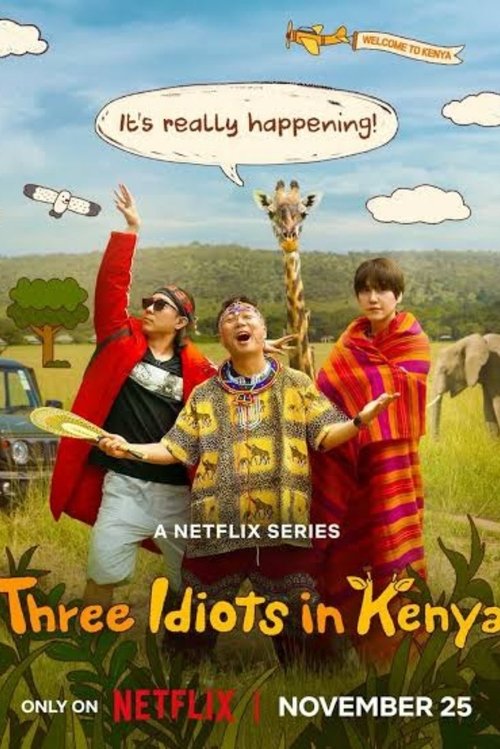
In the ephemeral world of television, where concepts are churned out and discarded with the changing seasons, there is something profoundly moving about a joke taken seriously. Na Yeong-seok’s *Three Idiots in Kenya* (2025) is ostensibly a travel variety show, a genre often cluttered with forced awe and product placement. Yet, to view it merely as a travelogue is to miss its structural genius. This series is the architectural completion of a "building" started six years ago—a haphazard promise made during a game of chance in 2019, left to gather dust through a pandemic and military enlistments, only to be redeemed now with a surplus of heart.
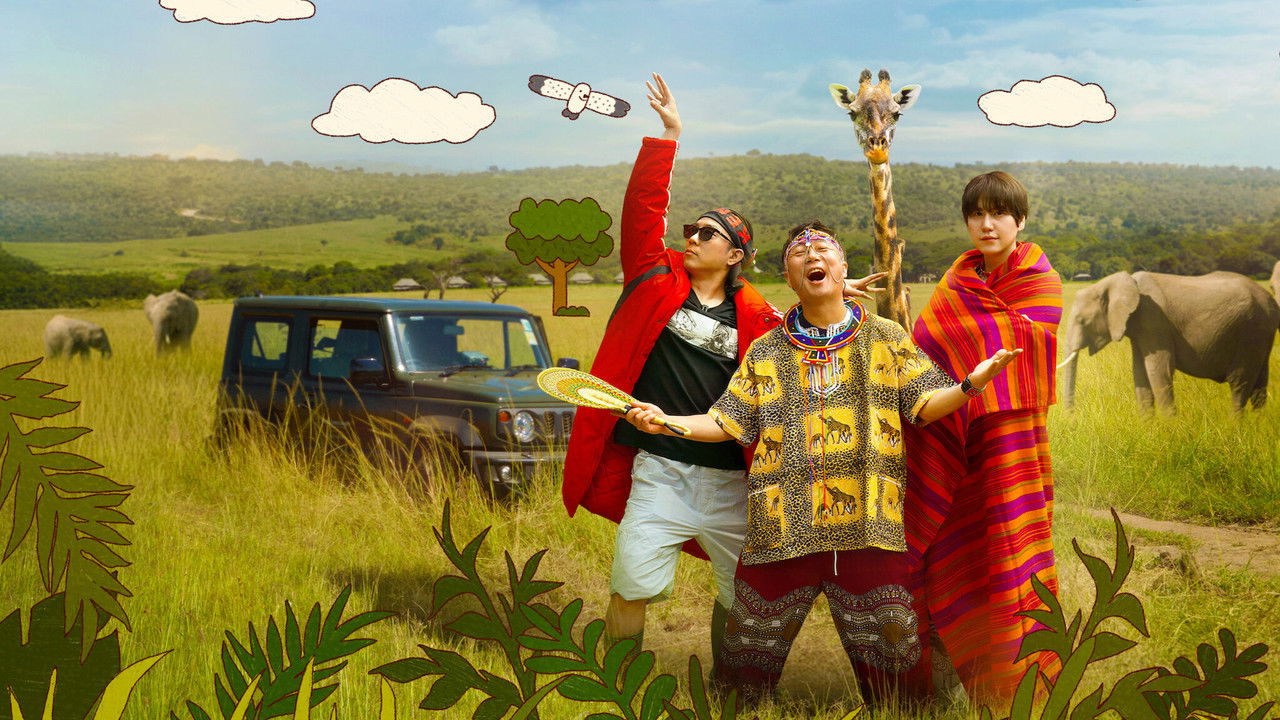
The premise is simple: three longtime colleagues—Lee Su-geun, Eun Ji-won, and Cho Kyu-hyun—finally embark on a prize trip to a giraffe sanctuary in Kenya. But under Na PD’s direction, the "trip" becomes a study in dissonance. The visual language of the series operates on two competing frequencies. On one end, we have the cinematic grandeur of the African savannah—sweeping drone shots of the Masai Mara, the golden hour light hitting the acacia trees, and the prehistoric silence of grazing elephants. On the other, we have the claustrophobic, frenetic energy of the "Na Universe": the zoom-ins on flustered faces, the chaotic subtitles, and the imposition of petty bureaucracy (quizzes for food) upon the sublime.
This friction is where the art lies. In a lesser show, the majesty of Kenya would demand reverence, silencing the cast. Here, the landscape is merely a new arena for their established neuroses. The widely circulated "giraffe kiss" scene involving Kyuhyun is a perfect microcosm of this. What could be a moment of Disney-esque wonder is edited into a surreal, almost grotesque comedy of errors, slowed down not to romanticize the connection, but to highlight the absurdity of the interspecies intimacy. It is a refusal to let the setting swallow the humanity of the subjects.
The heart of the series, however, remains the "Three Idiots" themselves. There is a specific texture to their camaraderie that cannot be scripted. It is the worn-in comfort of old flannel. Eun Ji-won’s perpetual contrarianism and Lee Su-geun’s slapstick vitality are known quantities, but it is Kyuhyun who provides the season’s emotional ballast. No longer just the "maknae" (youngest) ballad singer, he emerges here with a chaotic, liberated energy—a "madman" unleashed. Yet, the show allows for cracks in this comedic armor. When Lee Su-geun tears up at the sight of an elephant, the moment lands with devastating weight precisely because it pierces through layers of irony. It reminds us that these men, for all their performative bickering, are experiencing a profound dislocation from their reality.
Ultimately, *Three Idiots in Kenya* is not really about Kenya. It is about the durability of shared history. In an era of content designed for the algorithm, Na Yeong-seok has delivered a love letter to continuity. He proves that the most compelling special effect is not a drone shot of a migration, but the genuine laughter of three friends who, against all odds, finally made it to the destination they promised one another. It is a warm, hilarious affirmation that some debts—no matter how foolish their origin—are worth paying.