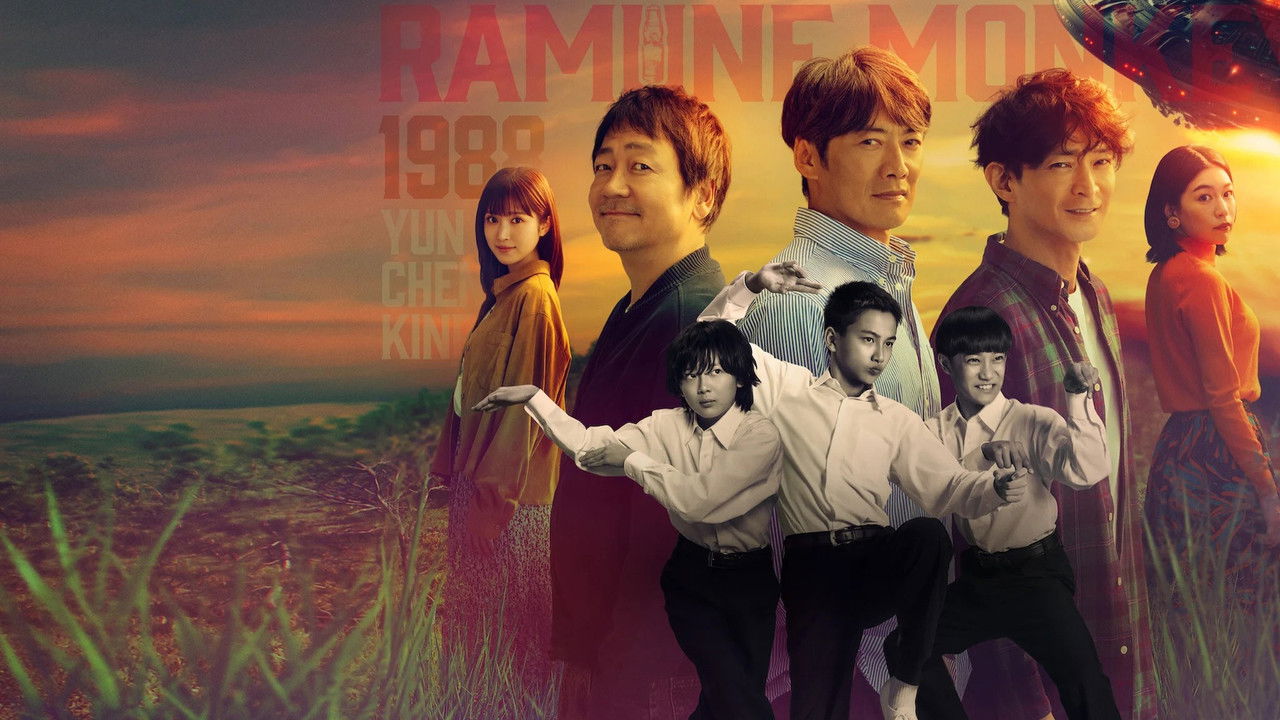
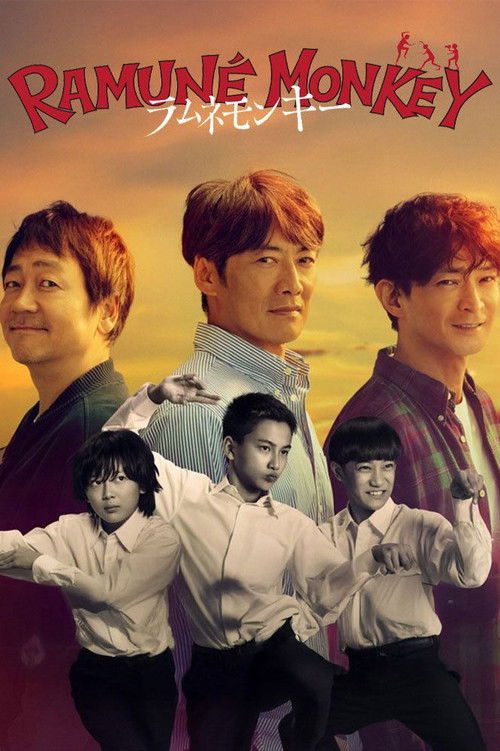
The Analog Ghosts of DanbeThere is a specific, suffocating texture to the mid-life crisis that Japanese cinema captures with painful precision. It is not always the explosive breakdown of American drama, but rather a quiet, gray sedimentation—the realization that the "future" you once sprinted toward has already arrived, and it is overwhelmingly beige. In *Ramune Monkey*, which premiered this week on Fuji TV, director Tomonobu Moriwaki and star screenwriter Ryota Kosawa (known for the manic energy of *Legal High*) tap into this vein of quiet desperation, only to puncture it with the sharp, absurd intrusion of a mystery.

The premiere introduces us to a trio of 51-year-old men who are less "characters" and more walking scar tissue of unfulfilled potential. Yuta Yoshii (Takashi Sorimachi), Hajime Fujimaki (Nao Omori), and Kisuke Kikuhara (Kenjiro Tsuda) are the "dream team" of Japanese character actors, and seeing them share a frame is a masterclass in understated melancholy. They were once the kings of their middle school film club in 1988, obsessed with kung-fu movies and fueled by the sugary rush of Ramune soda. Now, they are estranged and eroded by life.
Moriwaki’s lens accentuates this distance. The present-day sequences are shot with a clinical, almost cold sharpness that highlights the wrinkles and the drab interiors of their adult lives. This is sharply contrasted with the warmth of the 1988 flashbacks. However, Moriwaki resists the urge to make the past look like a polished music video. Instead, the 1988 scenes (glimpsed through their amateur 8mm kung-fu films) have a tactile, scrappy quality—a reminder that their "glory days" were silly, but they were *theirs*.

The narrative engine kicks over when human bones are discovered at a construction site in their hometown of Danbe. It forces a reunion that none of them want but all of them desperately need. This is where Ryota Kosawa’s script shines. He avoids the melodramatic "teary reunion" tropes. When the three men meet after 37 years, the air is thick not with sentiment, but with awkwardness and the terrifying realization that their memories of their beloved club advisor—the man whose disappearance is linked to the bones—are hazy and contradictory.
The standout element of the pilot is the friction between the genre expectations. Is this a murder mystery? Or is it a "human comedy" about aging? The show posits that it must be both. The mystery of the bones serves as a macabre mirror to the "dead ends" the men feel in their personal lives. The discovery of the group photo with the word "missing" scrawled on it acts as a jarring pivot point, shifting the tone from nostalgic malaise to genuine unease.

As a premiere, *Ramune Monkey* is a confident, if slow-burning, thesis on memory. It suggests that the past is not a fixed sanctuary we can return to, but a crime scene we must investigate. With a powerhouse trio of actors and a script that balances wit with existential dread, this series promises to be more than just a whodunit; it is an inquiry into who these men became when the camera stopped rolling.