The Portable Utopia: Unpacking the Dream of "Same-Day Delivery"In an era where the click of a button summons everything from hot meals to fast fashion, the concept of "home" has remained the last bastion of permanence—a static anchor in a fluid world. Yet, *Same-Day Delivery Our House* (2025) dares to ask a radical question: What if domesticity itself could be added to a cart and shipped to paradise? This JTBC reality series, directed by Son Chang-woo and Shin Ki-eun, is not merely a travelogue or a camping show; it is a fascinating cultural experiment that unpacks the modern paradox of craving raw nature while refusing to abandon the comforts of hyper-modern convenience.

The visual language of the show is defined by a striking surrealism. The recurring motif—a massive flatbed truck navigating winding mountain roads or narrow village paths, carrying a pristine, fully formed modular house—plays like a scene out of a magical realism novel. The directors wisely linger on these shots. There is something profoundly absurd yet oddly moving about seeing a "home" in transit, a floating sanctuary looking for a place to land. When the house is finally crane-lifted onto a plot of land in Gyeongju or a remote mountainside, the juxtaposition of the sleek, white minimalist architecture against the rugged, organic textures of the Korean landscape creates a visual dialogue between the artificial and the natural. It suggests that in 2025, we no longer inhabit the world; we merely deploy our bubbles onto it.
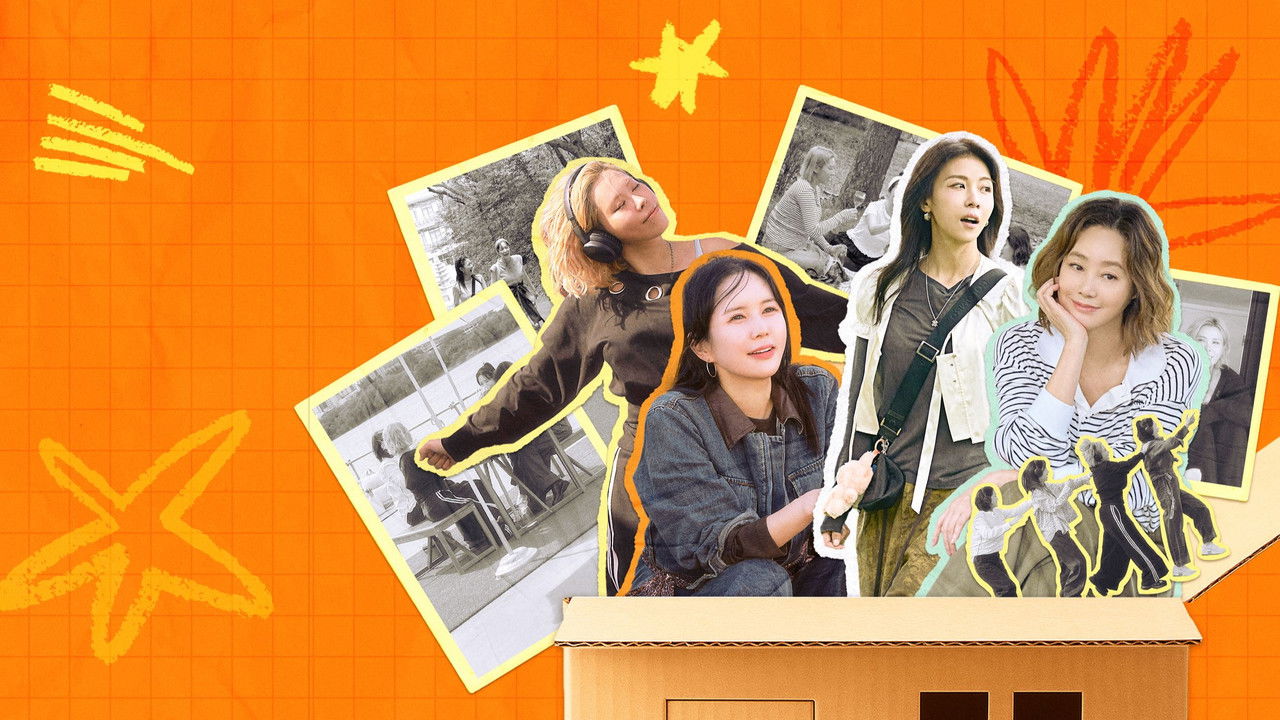
The show's emotional engine, however, runs on the chemistry of its quartet: Kim Sung-ryung, Ha Ji-won, Jang Young-ran, and Gabee. While reality television often relies on manufactured conflict, *Same-Day Delivery Our House* leans into the "healing" sub-genre, but with a chaotic, familial twist. Ha Ji-won, making a rare variety show appearance, serves as the group's wide-eyed idealist. She views the delivered house not as a structure but as a "Romang" (romance/fantasy) realized. Her relentless optimism contrasts sharply with the grounded, chaotic energy of Jang Young-ran, who immediately frets over the logistics of cooking in a compact kitchen.

It would be easy to dismiss the show as an elaborate advertisement for the modular housing industry, but the editing reveals a deeper human truth: the desire for connection without commitment. The "Same-Day Delivery" aspect implies a lack of permanence. The cast "lives" in these locations for a fleeting moment—a day, a night—simulating a life they will never actually lead. Kim Sung-ryung, often cast as the elegant matriarch in dramas, unravels here into a clumsy, relatable figure, stripping away the celebrity veneer to show that even the most poised among us are disoriented when removed from our permanent foundations. Meanwhile, Gabee introduces the "MZ" perspective, treating the mobile home as a content-creation hub, further emphasizing the performative nature of modern living.
The show ultimately succeeds because it taps into a specific contemporary exhaustion. We are tired of the city, but terrified of the wild. *Same-Day Delivery Our House* offers a compromise: a sanitized wilderness, a safe adventure. It suggests that "home" is no longer a place you build brick by brick, but a feeling you can order, consume, and return when the rental period expires. It is a gentle, beautifully shot meditation on our rootless desires, proving that sometimes, the heavy lifting of life is best left to a crane.