✦ AI-generated review
The Architecture of the Chase
If cinema is the art of sculpting time, then variety television—at its highest frequency—is the art of sculpting chaos. When *Running Man* premiered in the summer of 2010, overseen by director Ahn Jae-chul and his production team, it did not arrive merely as another weekend distraction. It arrived as a kinetic experiment in urban geography. While its contemporaries were content with static studio talk or rural idylls, *Running Man* locked its cast inside the sprawling, empty landmarks of Seoul—museums, stadiums, shopping malls—and turned the metropolis into a claustrophobic playground.
To view *Running Man* simply as a game show is to miss its underlying anxiety. In those early, defining years, the series billed itself as "urban action variety," a moniker that hints at a deeper narrative regarding modern existence. The premise was deceptively simple: survive the night. The visual language established by Ahn was stark and immediate. The camera work was shaky, often sprinting behind a fleeing celebrity, capturing the raw, unpolished terror of being hunted. The sound design, particularly the jingling of bells attached to the "hunter’s" shoes, became a Pavlovian trigger for both the cast and the audience—an auditory motif of impending doom that transformed the empty corridors of the Seoul History Museum into a labyrinth of suspense.
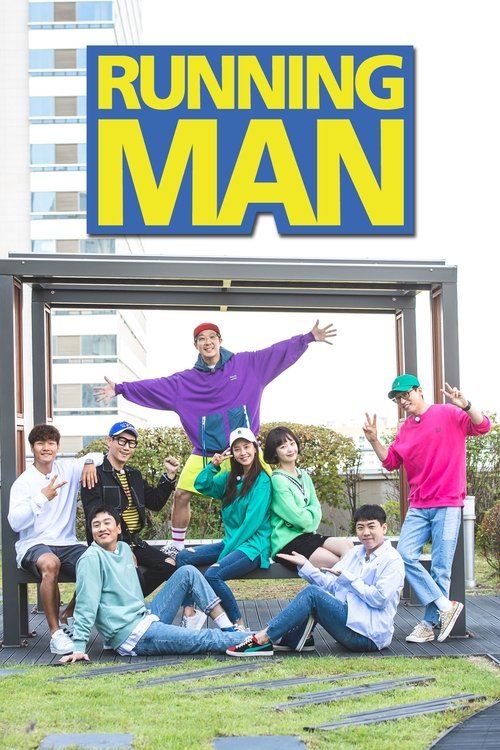
At the center of this mayhem lies a sophisticated character study, a sort of commedia dell'arte for the 21st century. The cast members are not merely playing games; they are enacting heightened archetypes of human frailty and ambition. Yoo Jae-suk, the "Nation’s MC," sheds his composed host persona to become the anxious everyman, fleeing from authority. Kim Jong-kook represents the imposing physical force, the "Spartacus" figure that dominates the landscape, forcing the weaker members into alliances of necessity and betrayal.
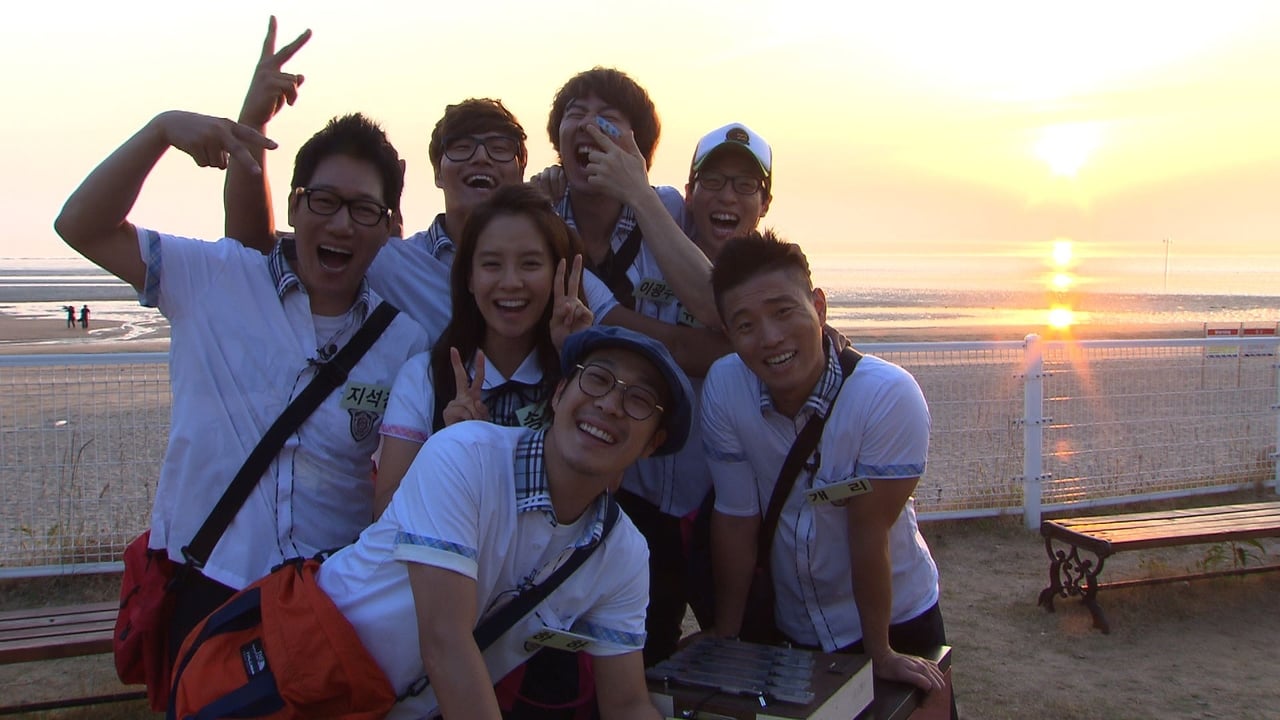
It is in these alliances that the show finds its emotional truth. The "Name Tag Ripping" game—the show’s most iconic invention—is a brutal yet hilarious metaphor for social survival. To have one's name tag ripped off is to be erased, to lose one's identity and be cast into "jail." This mechanic birthed the "Betrayal Club," led by the lanky, tragicomic figure of Lee Kwang-soo, whose constant treachery was not born of malice, but of a desperate, relatable desire to survive in a world ruled by the strong. The laughter derived from his betrayals is the laughter of recognition; we see our own petty survival instincts magnified to the grotesque.
Furthermore, the show’s setting in 2010 South Korea speaks to a specific cultural moment—a hyper-accelerated society seeking release. By reclaiming public spaces after dark, *Running Man* allowed adults to regress into a state of pure, unadulterated play. There is something profoundly moving about watching grown men and women hide behind cardboard cutouts or sprint through torrential rain, stripped of their celebrity gloss and reduced to panting, desperate children.
Ultimately, *Running Man* under Ahn’s initial guidance succeeded because it understood that the chase is universal. It transcended language barriers not through dialogue, but through the physical vocabulary of the hunt. It posited that in the rigid architecture of modern life, the only true freedom is found in the act of running—not towards a destination, but simply away from the inevitable grasp of the hunter. It remains a vital document of physical comedy, proving that even in the sleekest cities, the human animal is still driven by the primal urge to play, to deceive, and to survive.