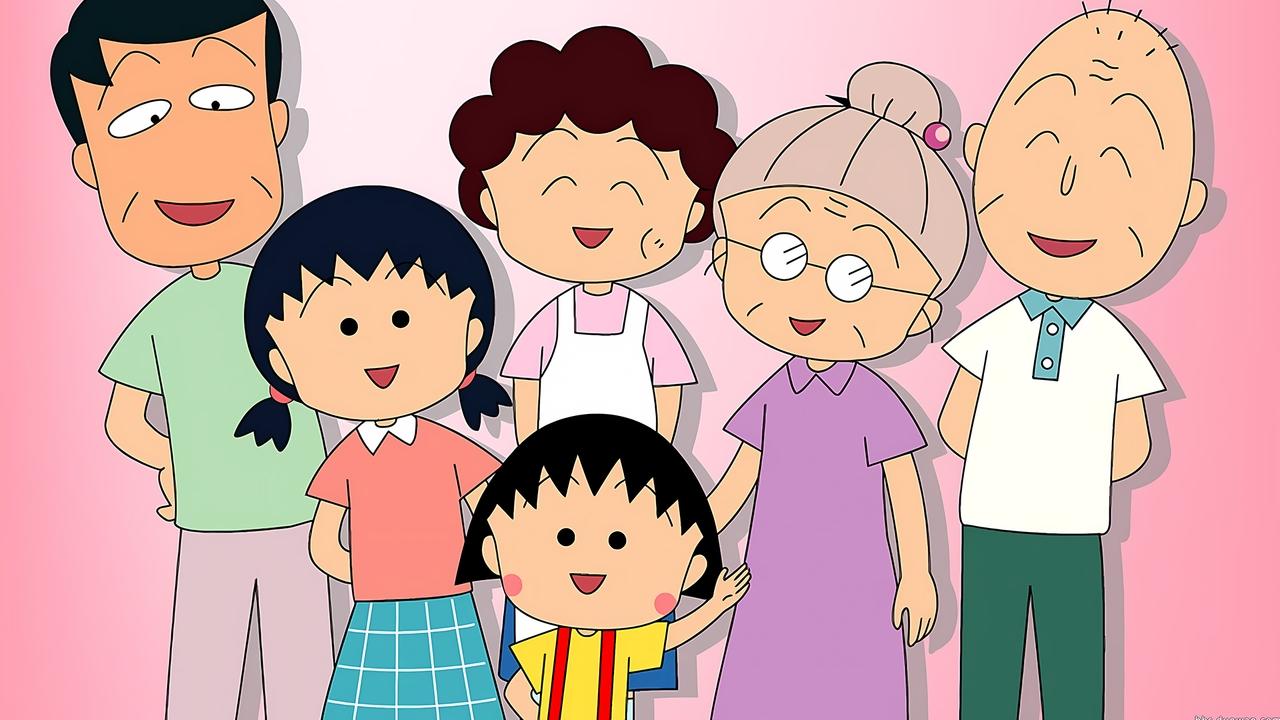
The Architecture of the OrdinaryIn the landscape of Japanese animation, where the 1990s were often defined by mecha evangelists and magical girl warriors, *Chibi Maruko-chan* arrived not as a fantastical escape, but as a quiet revolution of the mundane. Premiering in 1990, adapted from Momoko Sakura’s semi-autobiographical manga, the series rejects the grand narratives of saving the world in favor of a far more perilous mission: navigating the social anxieties of a third-grade classroom and the diplomatic complexities of a multi-generational household. It is a masterclass in the "micro-drama," creating a time capsule of 1974 Shizuoka that feels less like a historical period piece and more like a collective memory of childhood itself.
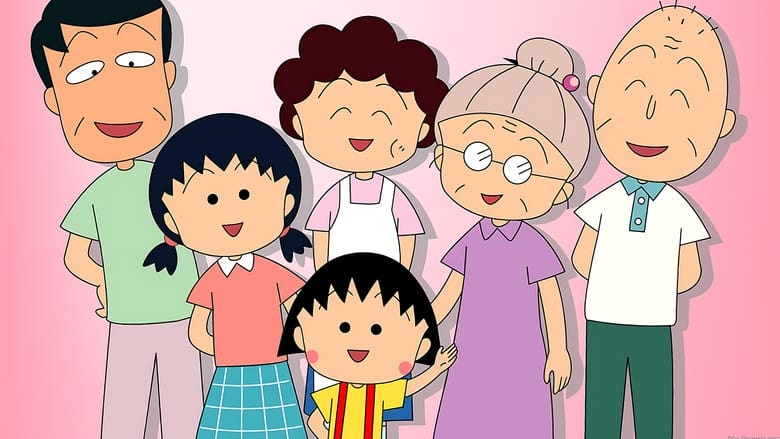
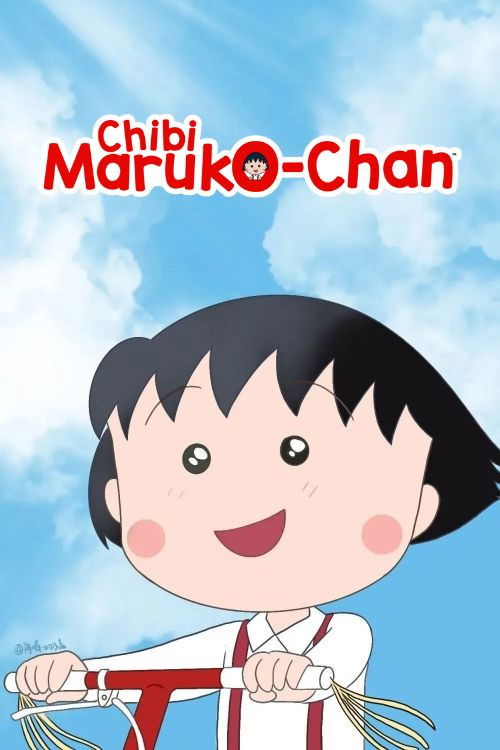
Visually, the series is a triumph of stylized minimalism. The director and animators eschew the glossy, high-budget fluidity of their contemporaries for an aesthetic that mimics the crude, expressive lines of a child's diary. Maruko’s design—round-faced, button-eyed, and perpetually disheveled—serves as a visual rebellion against the polished perfection of typical *shoujo* heroines. The show’s visual language is perhaps most famous for its invention of specific comedic grammars, such as the vertical lines that descend over a character’s face to signify awkward silence or second-hand embarrassment. These aren't just cartoons; they are sophisticated visual shorthand for the internal emotional states we all recognize but rarely name.
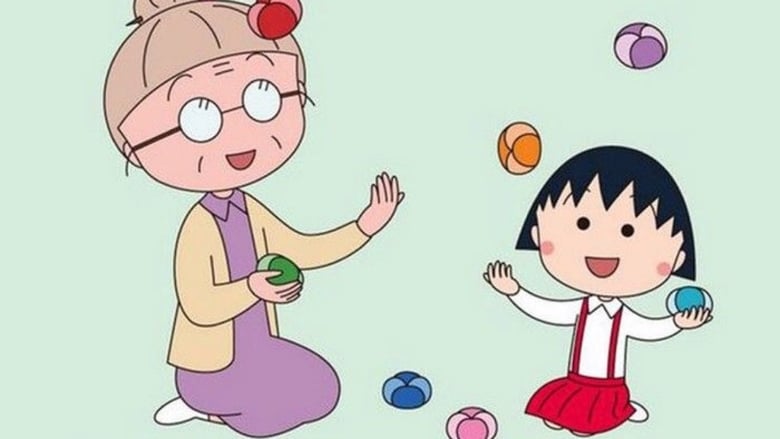
At its heart, *Chibi Maruko-chan* is a study in imperfect humanity. Maruko is a delightfully flawed protagonist—she is lazy, prone to daydreaming, occasionally selfish, and obsessed with avoiding homework. Yet, it is precisely these flaws that make her deeply sympathetic. She is not an aspiration; she is a mirror. The narrative weight often rests on her relationship with her doting grandfather, Tomozou. Their bond is the emotional anchor of the series, providing a "iyashi" (healing) effect that softens the show's cynical edges. While the world of adults (teachers, parents) is often baffled by Maruko’s logic, Tomozou enters her world completely, validating the nonsensical whimsy of childhood.

Ultimately, the series stands as a testament to the significance of the insignificant. By elevating the trivial—a haircut gone wrong, the desire for a specific snack, the dread of a marathon—into epic struggles, the show validates the child’s worldview. It suggests that these small moments are the true fabric of life. *Chibi Maruko-chan* endures not because it idealizes the past, but because it honestly captures the universal, bittersweet comedy of growing up in a world that is just a little too big to understand.