✦ AI-generated review
The Heart at Mach 2
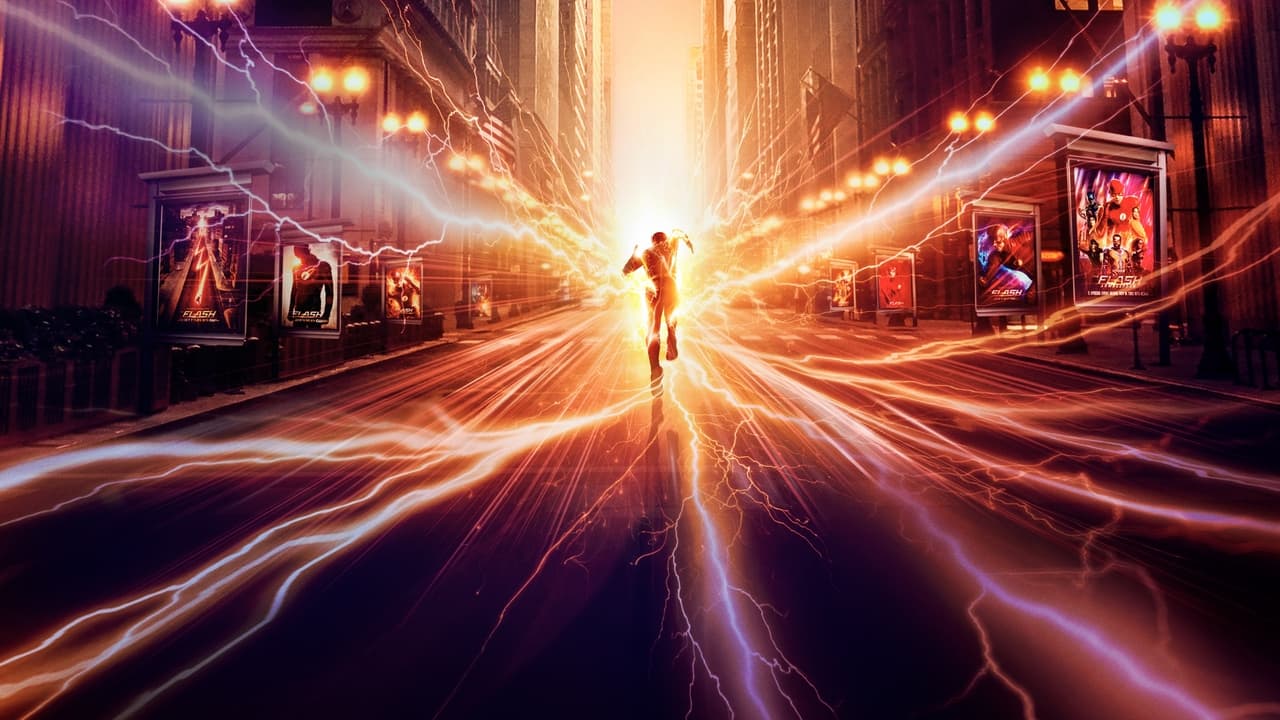
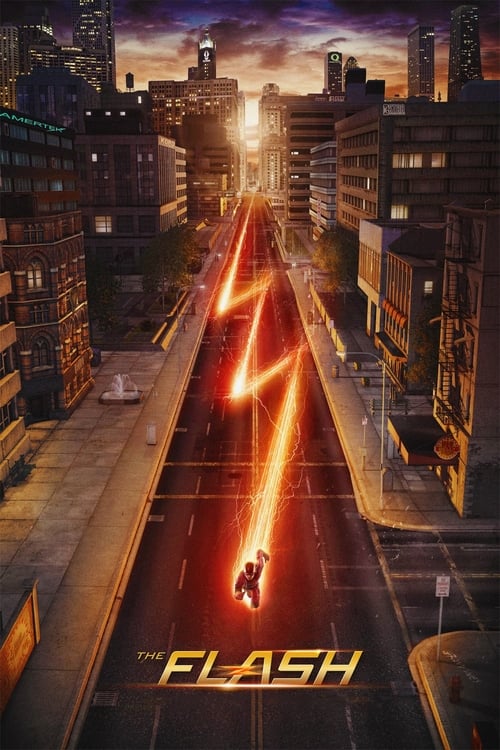
In 2014, the landscape of superhero television was monochromatic. Defined largely by the brooding vigilantism of *Arrow* and the shadow of Christopher Nolan’s cinematic realism, the genre seemed allergic to primary colors. Then came a streak of red lightning. When "The Flash" premiered, it didn't just introduce superpowers to the Arrowverse; it reintroduced optimism to the medium. For a brief, shining moment, this series was not merely a procedural about a forensic scientist who could run fast—it was the gold standard for how to translate the four-color joy of comic books into the intimate language of television.
At the center of this gravitational shift was Grant Gustin. History will likely remember Gustin as the definitive live-action Barry Allen, a distinction earned not through the budget of his special effects, but through the vulnerability of his performance. Unlike the stoic gods of the DC Extended Universe or the tortured billionaires of Gotham, Gustin’s Barry was palpably human. He was awkward, over-eager, and fundamentally driven by love rather than vengeance. The director and showrunners understood early on that the show’s special effect wasn't the CGI blur—it was Gustin’s smile. He played the Scarlet Speedster with a theater kid’s earnestness that disarmed the cynicism of the era.
Visually, the series initially thrived on the kinetic thrill of the impossible. The depiction of "Flash time"—where the world freezes while Barry navigates the stillness—became a potent visual metaphor for the character’s internal life. He is a man who can outrun gravity, yet is perpetually frozen in the trauma of his mother’s death. The pilot’s promise, "Run, Barry, run," was never just a command to go faster; it was an exhortation to move through grief. The Season 1 finale, where Barry travels back in time only to choose *not* to save his mother to preserve the timeline, remains one of the most devastatingly effective scenes in superhero media. It anchored the fantastical sci-fi premise in a brutal, relatable reality: the acceptance that some tragedies cannot be outrun.
However, as the series stretched across nine seasons, the narrative began to collapse under its own velocity. The tragedy of "The Flash" is that a show built on speed eventually felt like it was running in place. The writers fell into the trap of serialization, expanding the intimate "Team Flash" into a crowded ensemble that often left the protagonist a spectator in his own show. The visual language, once inventive, became repetitive, relying on "speedster of the week" villains and Technicolor light shows that increasingly resembled Saturday morning cartoons rather than primetime drama. The metaphor of the sprinter was lost; the show became a marathon runner gasping for air, weighed down by convoluted lore about "Forces" and time remnants.
Yet, to judge "The Flash" solely by its exhausted final laps is to ignore the lightning it caught in the bottle. It proved that a superhero show could be bright, sentimental, and unabashedly "comic booky" without sacrificing emotional weight. It bridged the gap between the procedural and the mythic, creating a legacy that paved the way for the explosion of the genre on streaming services. "The Flash" taught us that while special effects age, and plotlines tangle, the endurance of a hero is measured by how much heart they leave on the track.