✦ AI-generated review
The Bureaucracy of Absurdity
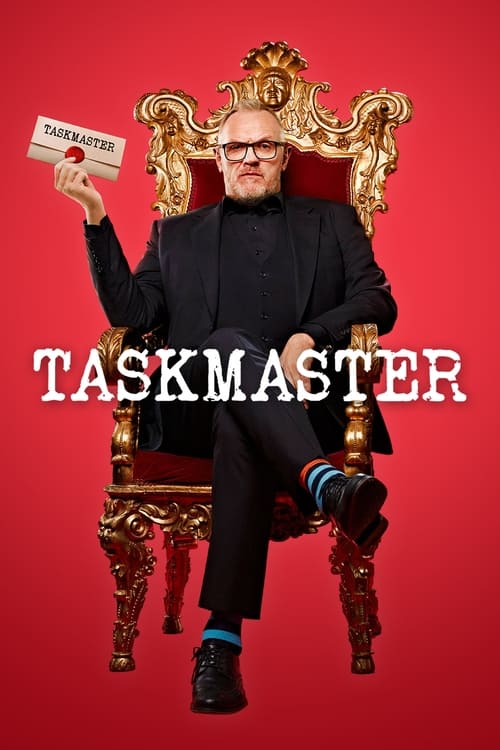
In an era of television defined by high-stakes prestige drama and the glossy, manufactured tension of reality competitions, *Taskmaster* (2015–present) stands as a fascinating anomaly. It is a show that mimics the aesthetics of a psychological thriller but operates with the stakes of a playground dispute. Directed by Andy Devonshire and devised by the deceptively meek Alex Horne, the series is less a "panel show" and more a Sisyphean study of human futility. It posits a simple, terrifying question: what happens when dignified adults are forced to obey arbitrary orders under the gaze of a fickle tyrant?
To view *Taskmaster* merely as a comedy game show is to miss its distinct visual and tonal language. Devonshire films the pre-recorded tasks—in which comedians must "paint a horse while riding a horse" or "impress a mayor"—with the cinematic reverence of a spy film. The "Taskmaster House," a nondescript bungalow decorated with vaguely totalitarian art, is framed like a crime scene. The silence of the location filming is palpable; there is no laugh track to soften the blow of a comedian staring blankly at a frozen pea. This contrast between the clinical, quiet execution of the tasks and the raucous, coliseum-style judgment in the studio creates a unique comedic tension. It elevates the mundane to the epic, turning a failed attempt to throw a potato into a golf hole into a tragedy of Shakespearean proportions.
At the center of this surreal regime sits the relationship between Greg Davies and Alex Horne, a dynamic that transcends the typical host-sidekick trope to become something stranger and more theatrical. Davies, towering and tempestuous, plays the titular Taskmaster as a capricious dictator, a man whose approval is desperate to be won but whose logic is impossible to predict. Beside him sits Horne, the creator and "assistant," playing the role of the bureaucratic enabler—the subservient administrator who meticulously records the failures of the contestants for his master's amusement. It is a comedic masterclass in status play: Davies provides the roar, but Horne provides the trap.
The brilliance of the format lies in how it strips the performers of their carefully curated personas. Stand-up comedians are control freaks by trade, accustomed to managing an audience with a microphone. *Taskmaster* removes their tools and places them in a vacuum of ambiguity. We watch not just for the jokes, but for the genuine psychological unraveling. When a contestant spends an hour trying to camouflage themselves in a living room, we are witnessing a grown adult regress to a state of childlike vulnerability. The show exposes the essential truth that competence is an illusion; strip away the context of our daily lives, and we are all just frantic people trying to move water from one bucket to another without touching the ground.
Ultimately, *Taskmaster* resonates because it validates the absurdity of existence. It is a celebration of lateral thinking and spectacular failure. In a world governed by confusing rules and unpleasable authorities, there is a profound catharsis in watching five innovative minds break the rules, argue with the referee, and occasionally, accidentally, achieve brilliance. It suggests that while we may be trapped in a maze of nonsense, there is at least some dignity—and a great deal of joy—in how we choose to navigate it.