✦ AI-generated review
The Ouroboros of Winden
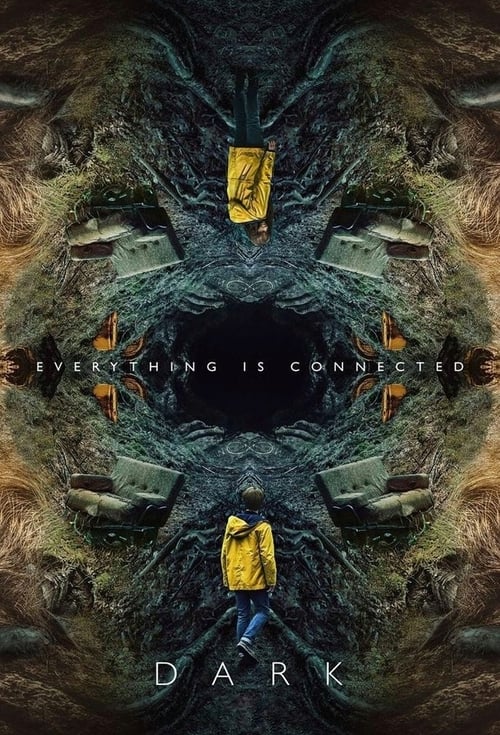
When *Dark* first materialized on Netflix in 2017, the algorithm clumsily introduced it as a German cousin to *Stranger Things*. Both featured a vanishing boy, a frantic mother, a small town bordering a sinister energy facility, and a nostalgia-drenched 1980s timeline. But where the American hit used the supernatural as a vehicle for adventure and camaraderie, creators Baran bo Odar and Jantje Friese used it to construct a cathedral of existential dread. To view *Dark* merely as a puzzle box of timelines is to miss its true, suffocating weight: it is a Greek tragedy disguised as science fiction, a story not about time travel, but about the impossibility of escaping our own nature.
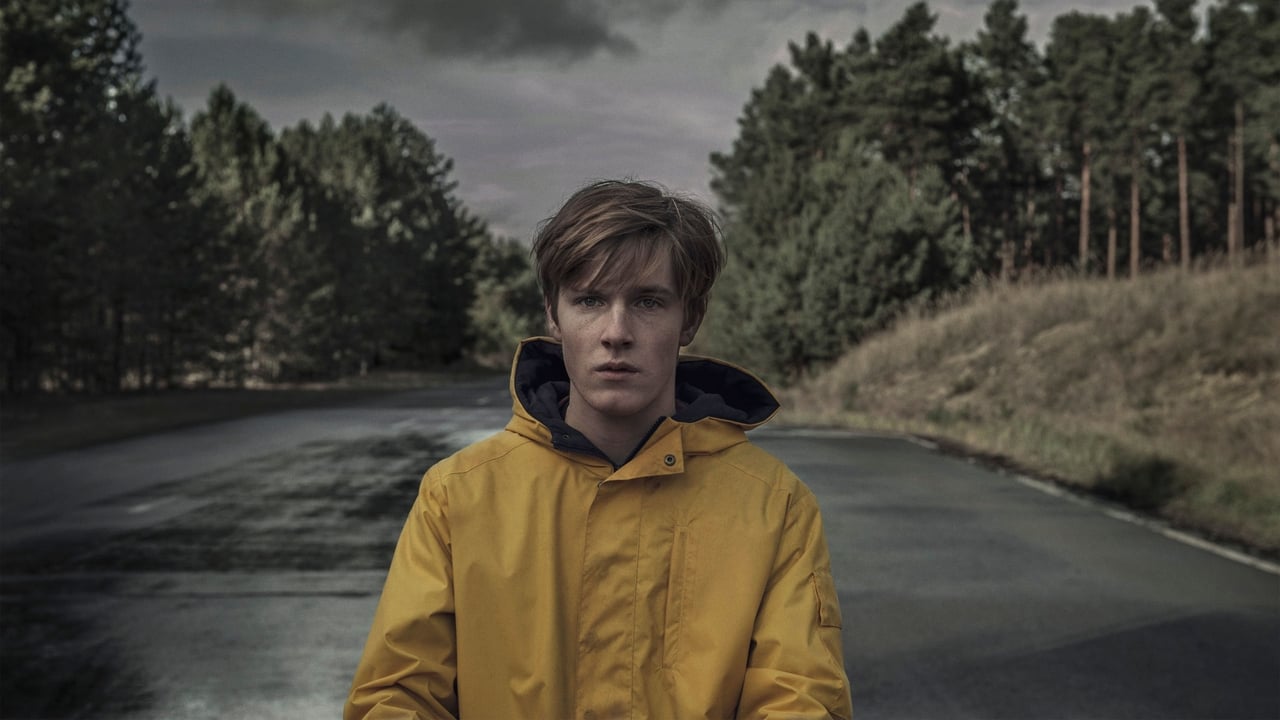
The setting, the fictional town of Winden, is less a location than a purgatory. Shrouded in perpetual rain and shadowed by the cooling towers of a nuclear plant, the town feels visually hermetic. Odar’s direction and Nikolaus Summerer’s cinematography drain the world of warmth, utilizing a desaturated palette that makes the yellow raincoat of the protagonist, Jonas Kahnwald, look like a distress signal in a sea of grey. The camera moves with a predatory smoothness, often gliding through the dark woods or the subterranean caves with a sense of inevitability. This visual language reinforces the show’s central philosophical tenant, borrowed from Schopenhauer: "Man can do what he wills, but he cannot will what he wills."
In *Dark*, time is not a linear path to be altered, but a "knot" to be endured. The script masterfully employs the Bootstrap Paradox—where an object or piece of information exists without a clear origin—as a metaphor for intergenerational trauma. The characters are trapped in a loop where the sins of the parents literally become the destiny of the children. We watch, helpless, as the teenager Jonas transforms into the stranger who attempts to fix the loop, and finally into the scarred Adam who seeks to destroy it. It is a horrifying dissection of self-hatred; the protagonist is simultaneously the hero, the mentor, and the villain, fighting a war against his own future.
The show’s emotional core, however, lies in its refusal to offer the comfort of free will. In a typical time-travel narrative, the hero goes back to save the girl. In *Dark*, Jonas’s love for Martha Nielsen is the very engine of the apocalypse. Their romance, tangled in a web of incestuous paradoxes that would make Sophocles blush, is framed not as a victory of love over time, but as the "glitch" that corrupts reality. The series demands we empathize with characters who commit atrocities (kidnapping, murder) because we have seen, quite literally, the future that forces their hand. The tragedy is not that they make the wrong choices; it is that they never had a choice at all.
By the time the series reaches its finale in Season 3, the narrative density is crushing. Yet, the resolution is shockingly intimate. The show does not end with a battle, but with a quiet erasure. The realization that the only way to heal the wound is to never have existed is a profound narrative gamble, one that recontextualizes the entire series as a long, painful dream of non-existence.
*Dark* stands as a monumental achievement in modern television because it respects the intelligence of its audience enough to deny them a happy ending. It suggests that closure is not found in fixing the broken pieces of our lives, but in accepting that some knots cannot be untied—they must be cut, even if it means we bleed out in the process.