✦ AI-generated review
The Architecture of Second Chances
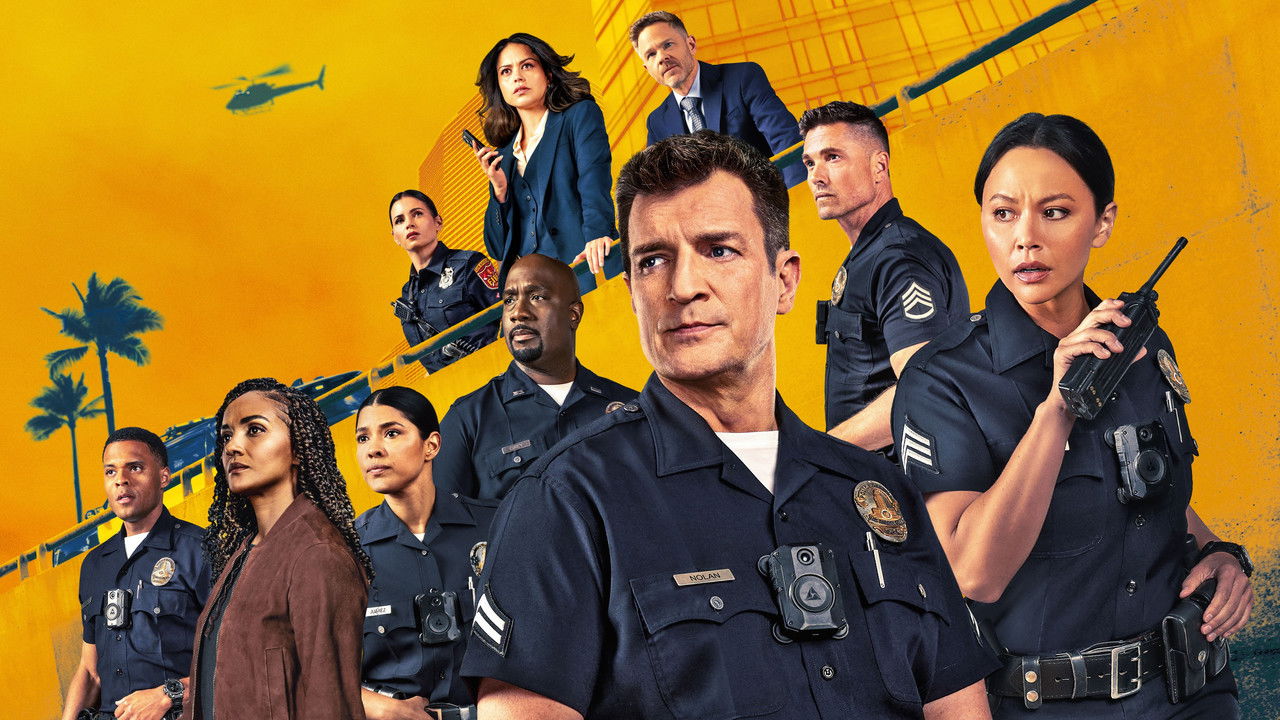
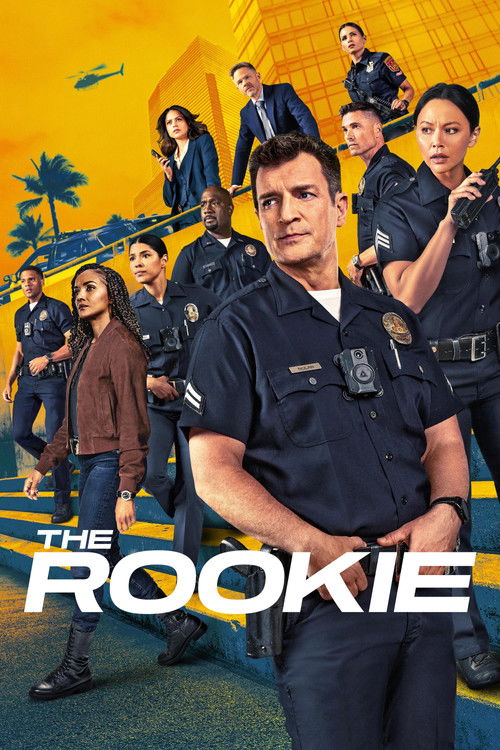
In the vast, often cynical landscape of modern television, the "midlife crisis" is typically framed as a pathetic tragedy—a narrative of sports cars, younger lovers, and a desperate clawing at lost youth. *The Rookie* (2018), developed by Alexi Hawley, inverts this trope with a surprisingly wholesome radicalism. Instead of fleeing responsibility, John Nolan (Nathan Fillion) runs directly toward it. The series posits that the antidote to middle-aged stagnation is not escape, but a terrified, breathless plunge into civic duty. It is a procedural not just about solving crimes, but about the terrifying validity of the "Second Act."
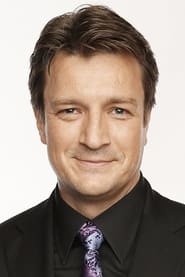
To understand the show’s enduring appeal, one must look past its genre mechanics and into its casting. Nathan Fillion has long been the purveyor of a specific kind of bruised optimism. From *Firefly* to *Castle*, he has played men who survive on charm and wit because they lack the brute force of their contemporaries. As Officer Nolan, Fillion strips away the bravado. He plays the character with a heaviness in his gait and a skepticism in his eyes that only comes from four decades of life. He is not a "super cop"; he is a man who understands consequences. This creates a fascinating friction with the show's visual language.
Visually, the series attempts a hybrid aesthetic that mirrors its protagonist's struggle to adapt. The director utilizes the "body cam" perspective—a shaky, fish-eye view of chaos—to interrupt the standard, glossy cinematography of network television. These jarring shifts into the first-person perspective do more than just simulate the "reality" of modern policing; they force the audience into the claustrophobic immediacy of the decision-making process. We are not watching Nolan from the safety of a wide shot; we are trapped in his vest, breathing his panic. It is a clever stylistic choice that grounds the often-hyperbolic action sequences in a subjective, human vulnerability.
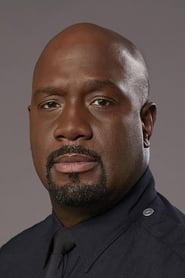
However, the show’s true weight lies in the ideological battle between Nolan and his watch commander, Sergeant Wade Grey (Richard T. Jones). In the pilot and throughout the early seasons, Grey views Nolan as a "walking midlife crisis"—a dangerous tourist in a profession that requires absolute commitment. This dynamic elevates the script above standard police fare. The conflict is not just about whether Nolan can pass the physical exam, but whether *empathy*—Nolan’s primary weapon, honed by years of civilian life and fatherhood—is a liability or an asset in law enforcement.
While the show often indulges in the fantastical "copaganda" typical of the genre—where shootouts are weekly occurrences and every officer is fundamentally noble—it succeeds because it focuses on the internal architecture of its ensemble. The rookies are not just learning codes; they are learning how to compartmentalize trauma. The chemistry between the training officers and their charges (particularly the stern, precise mentorship of Eric Winter’s Tim Bradford toward Melissa O'Neil’s Lucy Chen) dissects the cost of authority. It asks what we must surrender of our humanity to protect the humanity of others.
Ultimately, *The Rookie* is less a gritty documentation of the LAPD and more a modern fable about relevance. It argues that experience—the accumulation of failures, heartbreaks, and mundane victories—is not baggage to be discarded, but a toolkit. In a culture obsessed with the "next big thing" and the prodigy, there is a profound comfort in watching a hero who wins not because he is the fastest, but because he has lived long enough to know where the finish line actually is.