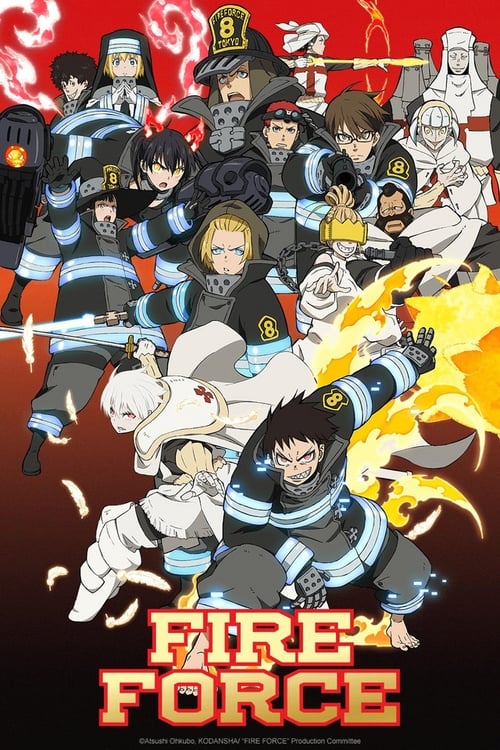
The Sanctity of AshFire is the oldest metaphor in the human playbook. It is civilization’s first tool and its ultimate destroyer, a duality that Atsushi Ohkubo’s *Fire Force* (*Enen no Shouboutai*) understands with theological precision. While on the surface this 2019 anime presents as a standard shonen procedural—a team of super-powered youths fighting monsters—it quickly reveals itself to be a fascinating meditation on death, religion, and the industrialization of faith. It is not merely a show about fighting fire; it is a show about how we mourn the things that burn.
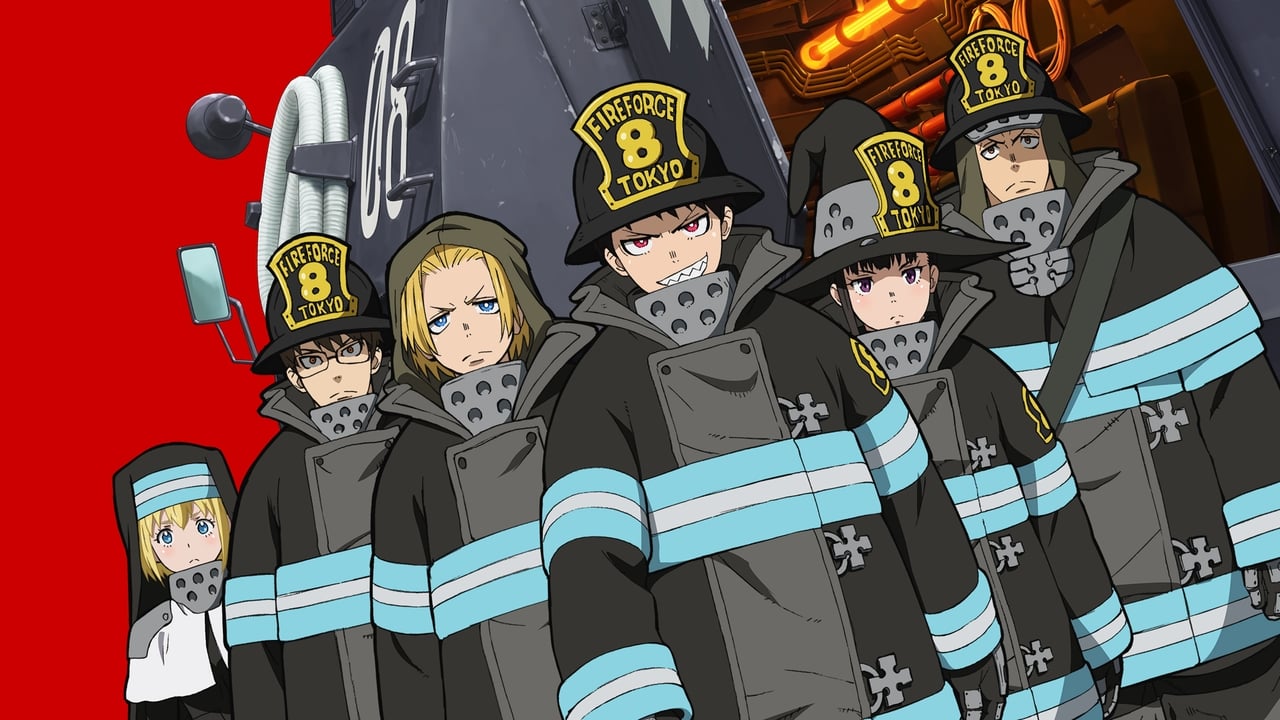
The premise is terrifyingly biological: Spontaneous Human Combustion has become a global pandemic. Ordinary citizens do not just catch fire; they transform into "Infernals," agonized creatures of charcoal and magma that must be "put to rest." This terminology is crucial. The protagonists, Special Fire Force Company 8, are not just firefighters; they are exorcists. When they enter a burning building, they bring a nun to pray for the soul of the monster they are about to destroy. This ritualistic approach imbues every action sequence with a somber weight rarely seen in the genre.
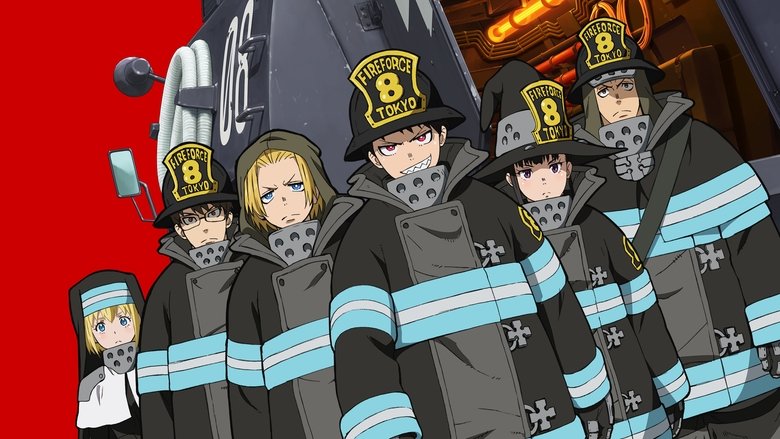
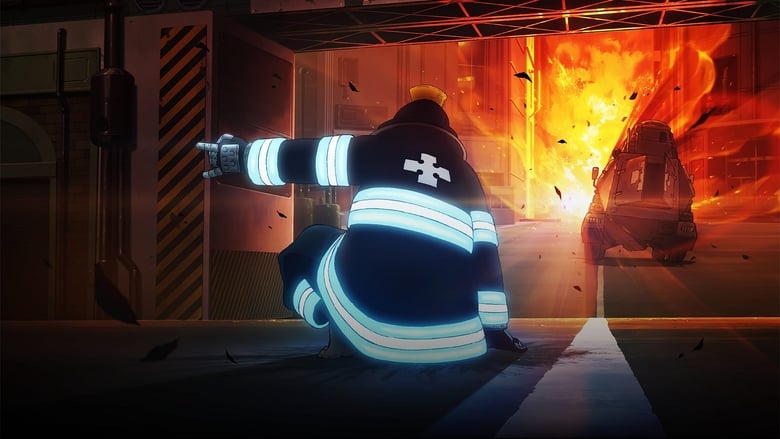
Visually, the series is a triumph of sensory overload, courtesy of David Production (the studio behind *JoJo’s Bizarre Adventure*). The animation direction rejects fluidity for impact. The fight choreography is punctuated by "impact frames"—flashes of black and white or inverted colors that simulate the blinding intensity of an explosion. But the true star is the sound design. In a medium that often relies on stock sound effects, *Fire Force* creates a unique auditory language. The ignition of Shinra Kusakabe’s feet sounds like a jet engine choking on gravel; the explosions don’t just bang, they thrum with a bass-heavy resonance that feels like a physical blow. The aesthetic creates a suffocating, heat-haze reality that makes the danger palpable.
At the center of this inferno is Shinra Kusakabe, a protagonist whose defining trait is a tragic physiological tic: when he is nervous or terrified, his facial muscles spasm into a menacing, toothy grin. This condition, which earned him the moniker "Devil," is a brilliant character device. It forces the audience to look past the surface, just as Shinra forces the world to see him as a hero despite his demonic appearance. His flight style—propelling himself with jets of flame from his feet—is breakdance-meets-ballistics, a kinetic display that turns combat into a chaotic, acrobatic dance.
However, the series is not without its tonal stumbling blocks. Ohkubo’s narrative occasionally collapses under the weight of unnecessary "fan service," particularly involving the character Tamaki, whose humiliating mishaps often undercut the tension of otherwise serious scenes. It is a jarring relic of genre tropes that feels increasingly out of place in a story grappling with the heavy concepts of corruption within the church and the trauma of loss. When the show focuses on its conspiracy thriller elements—the rotting heart of the Holy Sol Temple and the corporate espionage between the rival Fire Force companies—it is gripping. When it deviates into juvenile distractions, the flame flickers.

Ultimately, *Fire Force* succeeds because it treats fire not just as a weapon, but as a character. The "Látom" prayer recited before destroying an Infernal serves as a reminder that these monsters were once people—bakers, fathers, neighbors. By intertwining the visceral excitement of battle with the solemnity of a funeral rite, the series achieves a unique emotional resonance. It is a loud, brash, and visually spectacular work that, at its best, manages to find the holy within the heat.