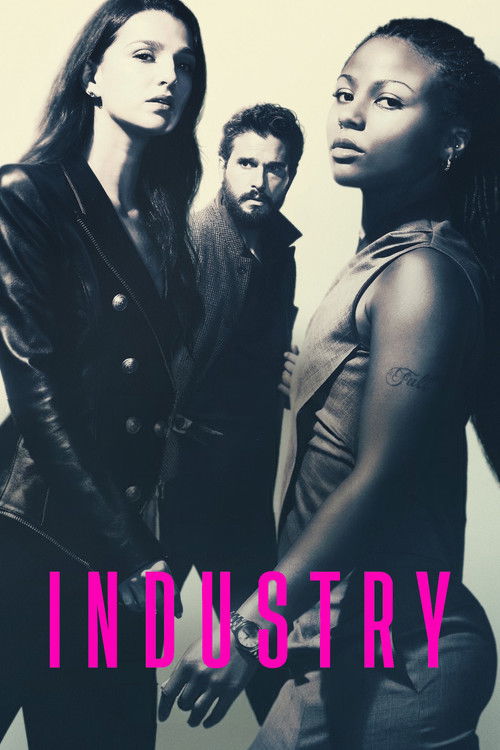
The Shark Tank of the SoulIf *Succession* was a Shakespearean tragedy about kings and princes fighting for the crown, *Industry* is the Darwinian brawl happening in the mud outside the castle walls. Created by former bankers Mickey Down and Konrad Kay, this HBO/BBC drama is often reductively pitched as "Gen Z finance" or "*Euphoria* meets Wall Street." Yet, to view it merely as a trend-chasing soap opera is to miss its ferocious artistic ambition. *Industry* is not just about the movement of capital; it is about the erosion of the self. It treats the trading floor not as a workplace, but as a particle accelerator for human anxiety, smashing ambition against morality to see what new, unstable elements are created.
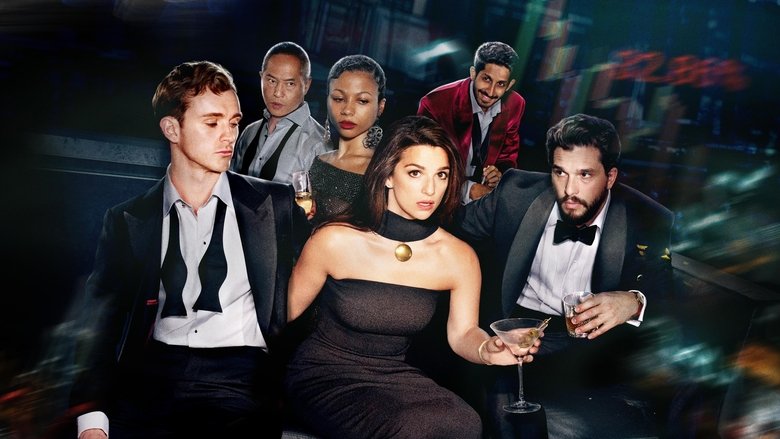
Visually and aurally, *Industry* is an assault. The direction rejects the polished, static wide shots typical of prestige office dramas in favor of a kinetic, claustrophobic intimacy. The camera lives uncomfortably close to its subjects, capturing the micro-expressions of panic and the sweat on a brow with the intensity of a war film. This is aided immensely by Nathan Micay’s propulsive, synth-heavy score, which throbs with a relentless, low-end dread. The music doesn't just underscore the scene; it mimics the tachycardia of a graduate making a multi-million-dollar trade on a hangover. The trading floor of Pierpoint & Co. is rendered as a sterile colosseum, bathed in harsh fluorescent light and the blue glow of Bloomberg terminals, a "panopticon" where privacy is nonexistent and weakness is blood in the water.
At the center of this maelstrom is Harper Stern (Myha'la), an American outsider in London who lied about her university degree to get in the door. Harper is one of the most fascinating anti-heroines on modern television precisely because she refuses the audience’s desire for a moral compass. She is not a victim of the system; she is an eager apprentice to its brutality. Her relationship with her mentor, Eric Tao (played with explosive, tragic brilliance by Ken Leung), forms the show's emotional spine. Eric is a dinosaur in a changing world—a baseball-bat-wielding volatility trader who sees in Harper a reflection of his own hunger. Their dynamic is a twisted father-daughter dance, oscillating between genuine mentorship and abusive manipulation. It dissects the "pet vs. threat" dichotomy that minorities face in corporate structures, showing how quickly a protégé is discarded when they become a competitor.
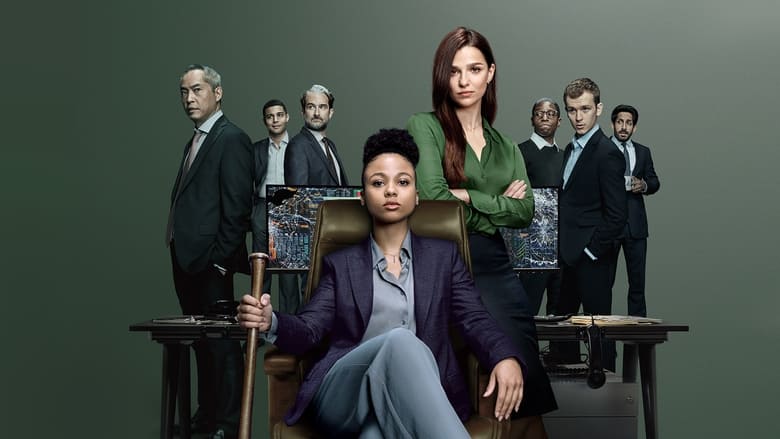
What distinguishes *Industry* from other critiques of capitalism is its refusal to sermonize. It doesn't look down on its characters for their greed; it immerses us in their addiction. The series understands that the "high" of a successful trade is chemically indistinguishable from the drugs the characters consume on the weekends. The script is lacerating in its depiction of class politics in Britain—the tension between the polished, Oxford-educated elites like Yasmin (Marisa Abela) and the hungry scrappers like Robert (Harry Lawtey). Yet, the show argues that the market flattens everyone. Old money, new money, race, and gender are ultimately just leverage to be applied or inefficiencies to be shorted.

Ultimately, *Industry* is a horror story about what we are willing to metabolize to survive. It posits that in the modern financial ecosystem, your humanity is an asset class that is rapidly depreciating. The tragedy isn't that these young people sell their souls; it’s that they discover the market price for a soul is surprisingly low. As the seasons progress, the show evolves from a workplace drama into a sleek, nihilistic thriller, cementing its place as one of the most visually distinct and psychologically incisive series of the decade.