The Geometry of a Double LifeTo categorize *The Family Man* merely as a spy thriller is to misunderstand its fundamental architecture. While it possesses the kinetic energy of the genre—the foot chases through Mumbai alleys, the ticking-clock defusals, the geopolitical stakes—its true terror isn't found in a bomb vest, but in the silence of a dinner table where a husband cannot tell his wife why he is late.

The series, a collaborative vision involving writer-director Suman Kumar (alongside creators Raj & DK), operates on a frequency of duality that feels suffocatingly real. The protagonist, Srikant Tiwari, played with a weary, slumping brilliance by Manoj Bajpayee, is not James Bond. He is a government employee who has to beg for a home loan approval in the morning and interrogate ISIS operatives in the afternoon. The visual language of the show reflects this schizophrenia. The camera is often handheld, jittery, and claustrophobic when Srikant is "on the job," trapping us in the immediacy of violence. Yet, when he returns to his apartment, the frames become static, filled with the clutter of middle-class existence—unwashed dishes, school bags, and the palpable distance between him and his wife, Suchitra (Priyamani).
This is where the show transcends its premise. The "action" is merely a backdrop for a study in masculine compartmentalization. Srikant is a man hallowed out by secrets. He protects the nation, yes, but he is utterly impotent in protecting his family from the slow erosion of trust. The script, co-written by Kumar, refuses to valorize his sacrifice. Instead, it asks a more uncomfortable question: Does saving the world require you to lose your soul?
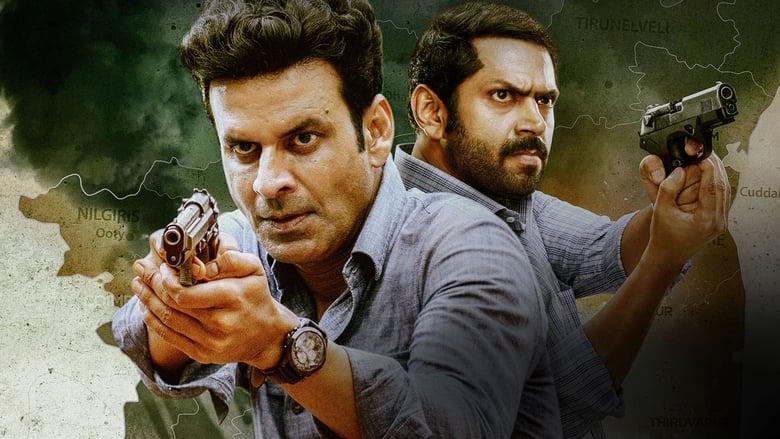
A specific sequence in the first season encapsulates this perfectly. Srikant is in the middle of a high-stakes pursuit, his life in immediate danger. His phone rings. It’s not headquarters; it’s his daughter’s school principal. The jarring tonal shift—from life-or-death adrenaline to mundane parental shaming—is played for dark comedy, but the aftertaste is bitter. We see the toll of this duality in Bajpayee’s eyes, a masterclass in understated exhaustion. He doesn't play Srikant as a hero; he plays him as a man drowning in two different oceans simultaneously.
The supporting cast anchors this reality. Sharib Hashmi as JK Talpade provides the necessary warmth to Srikant’s cold professionalism, while the antagonists are refreshing for their lack of caricature. The show dares to give its villains—terrorists and rebels alike—ideological coherence and human motivations, refusing the easy comfort of "good vs. evil" binaries.

Ultimately, *The Family Man* is a tragedy disguised as a procedural. It suggests that the "Great Indian Middle Class" dream is perhaps the most difficult undercover operation of all. We are all Srikant Tiwari to some degree—curating different versions of ourselves for our bosses, our spouses, and our children, hoping the walls between them don't collapse. The series succeeds not because it thrills us with espionage, but because it frightens us with the realization that we can share a bed with someone for decades and remain absolute strangers.