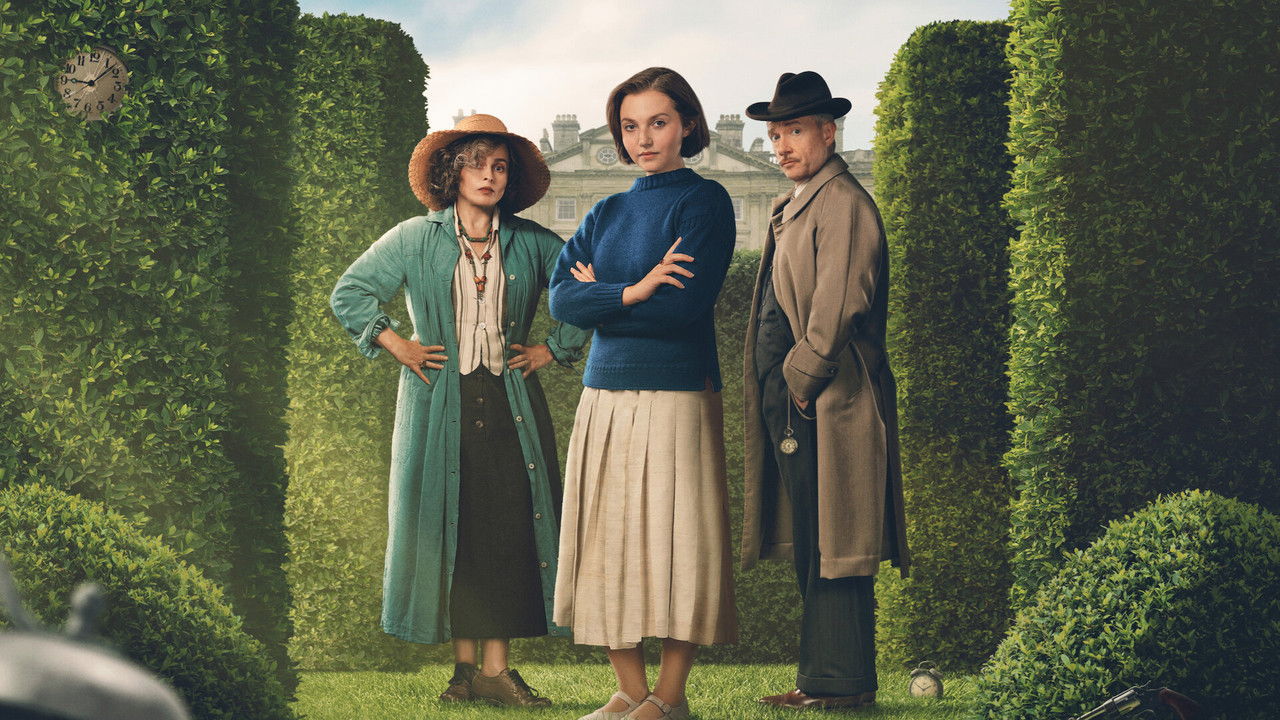
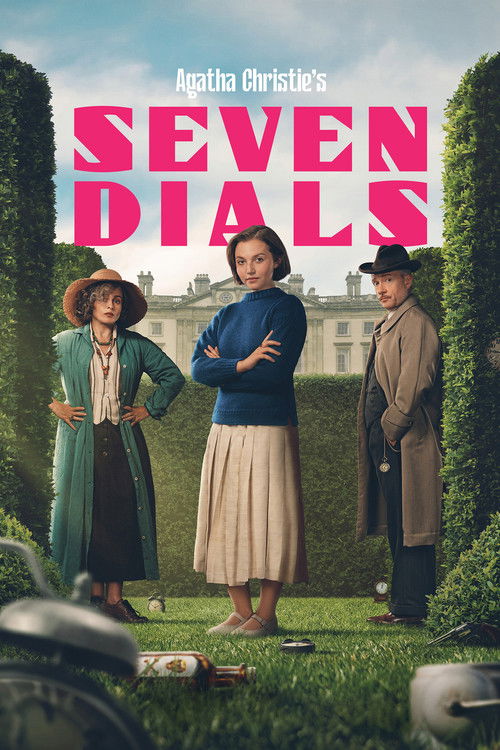
The Clockwork AristocracyThere is a distinct, rhythmic anxiety to Chris Chibnall’s adaptation of *Agatha Christie’s Seven Dials*. It is not merely the ticking of the eight alarm clocks that form the story’s inciting prank—a practical joke at a lavish 1925 country house party that curdles into tragedy—but the metronomic pressure of a franchise trying to reinvent itself. Released today on Netflix, this three-part miniseries attempts to bridge the gap between the golden age of detective fiction and the frenetic, neon-soaked sensibilities of the TikTok generation. It is a production that moves with the desperate energy of a flapper on her third martini: dazzling, loud, and terrified of silence.
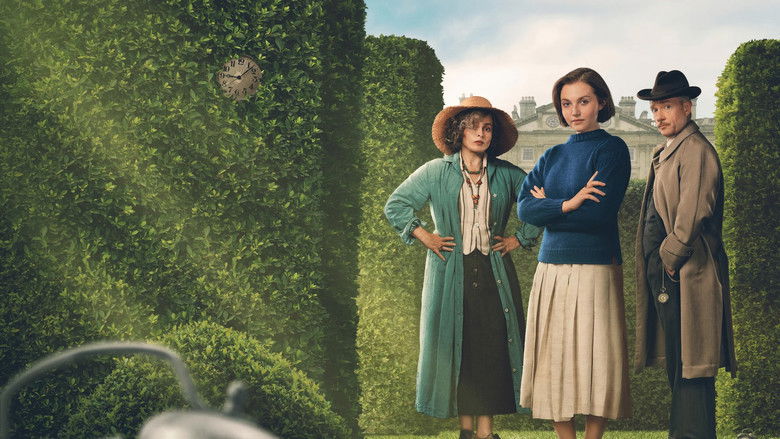
Chibnall, returning to the mystery genre after his polarizing tenure on *Doctor Who*, seems determined to strip the "cozy" out of "cozy crime." He trades the pastoral slowness of his own *Broadchurch* for a stylized, almost suffocating glamour. The director, Chris Sweeney, shoots the fictional Chimneys estate not as a home, but as a gilded cage. The camera swirls through the hallways with a manic glee that recalls Baz Luhrmann more than the BBC’s *Poirot*. The visual language here is high-gloss and hyper-saturated; the costumes pop with an intensity that threatens to eclipse the performers. It is a visual feast, certainly, but one that occasionally feels like it’s compensating for the narrative’s inherent absurdity.
The "Seven Dials" plot has always been one of Christie’s more eccentric concoctions—a thriller bordering on espionage caper, involving secret societies and hooded figures that feel ripped from a pulp serial. Chibnall leans into this pulpiness, but he anchors it with a surprisingly somber emotional palette. The death that kicks off the series is treated not just as a puzzle piece, but as a genuine rupture in the social fabric of these bright young things.
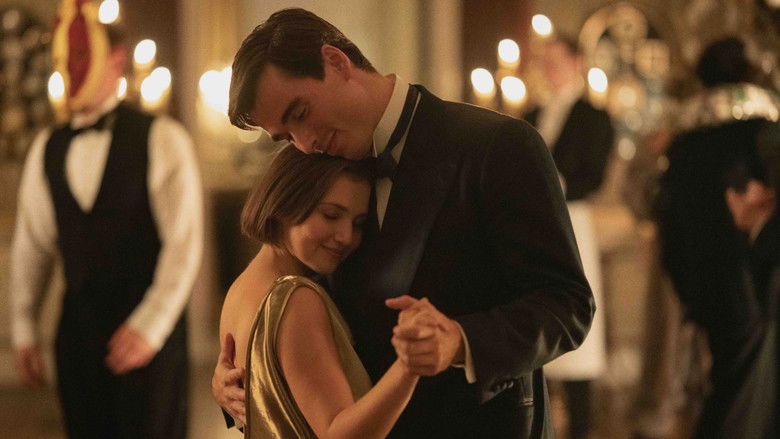
The series lives or dies on the shoulders of Mia McKenna-Bruce as Lady Eileen "Bundle" Brent. Fresh from her raw, BAFTA-winning turn in *How to Have Sex*, McKenna-Bruce brings a jagged, modern vulnerability to the role of the aristocrat sleuth. Her Bundle is not merely "fizzingly inquisitive" as the marketing suggests; she is bored, restless, and deeply cynical about the vacuous society she inhabits. When she dances, she does so with a kind of defiant exhaustion. Her performance transforms Bundle from a plucky heroine into a woman using danger to feel something real.
She is ably matched by Helena Bonham Carter as Lady Caterham, who plays the role with a delicious, drowsy eccentricity, and Martin Freeman as Superintendent Battle. Freeman, thankfully, underplays the detective, offering a grounded, weary counterpoint to the high-society hysteria swirling around him. Their scenes together—specifically a quiet interrogation in the second episode—provide the show’s few moments of genuine human connection, stripping away the period trappings to reveal the timeless nature of grief and suspicion.
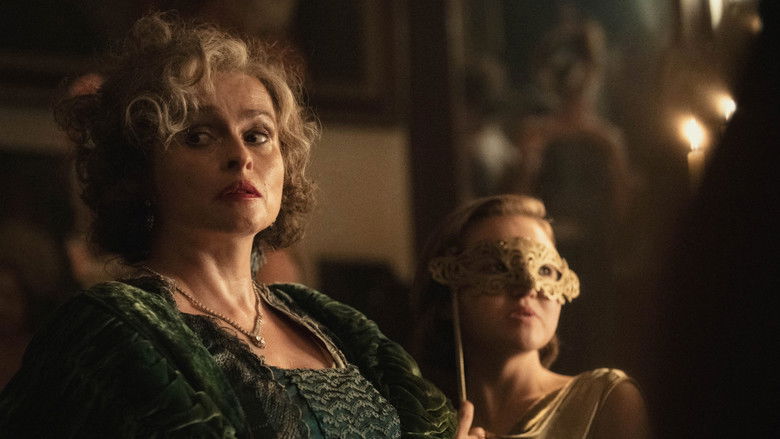
Ultimately, *Seven Dials* suffers from the tension between its source material and its ambition. It wants to be a serious character study of post-war trauma while simultaneously indulging in the campy mechanics of secret masked meetings. The tonal whiplash can be severe. Yet, as a piece of streaming-era entertainment, it succeeds in being compulsively watchable. It may not have the architectural precision of *Knives Out* or the soulful depth of *Broadchurch*, but it captures a specific mood: the frenzied, clock-watching panic of a generation dancing on the edge of a precipice, waiting for the alarm to ring.