The Drowning of Morfa HalenThere is a specific texture to British coastal noir—a dampness that seeps through the screen, smelling of brine and decaying kelp. In *Under Salt Marsh*, creator Claire Oakley (best known for the claustrophobic *Make Up*) elevates this atmospheric dread into a high-stakes meditation on grief and environmental collapse. While the framework is familiar—a dead child, a disgraced detective, a tight-knit community with too many secrets—Oakley refuses to treat her setting as mere wallpaper. Instead, the fictional Welsh town of Morfa Halen becomes a living, malevolent antagonist, a place where the land itself is trying to reclaim the people who cling to it.
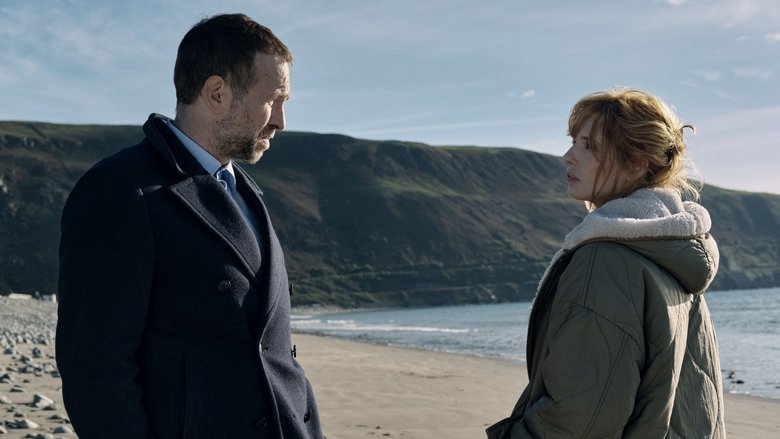
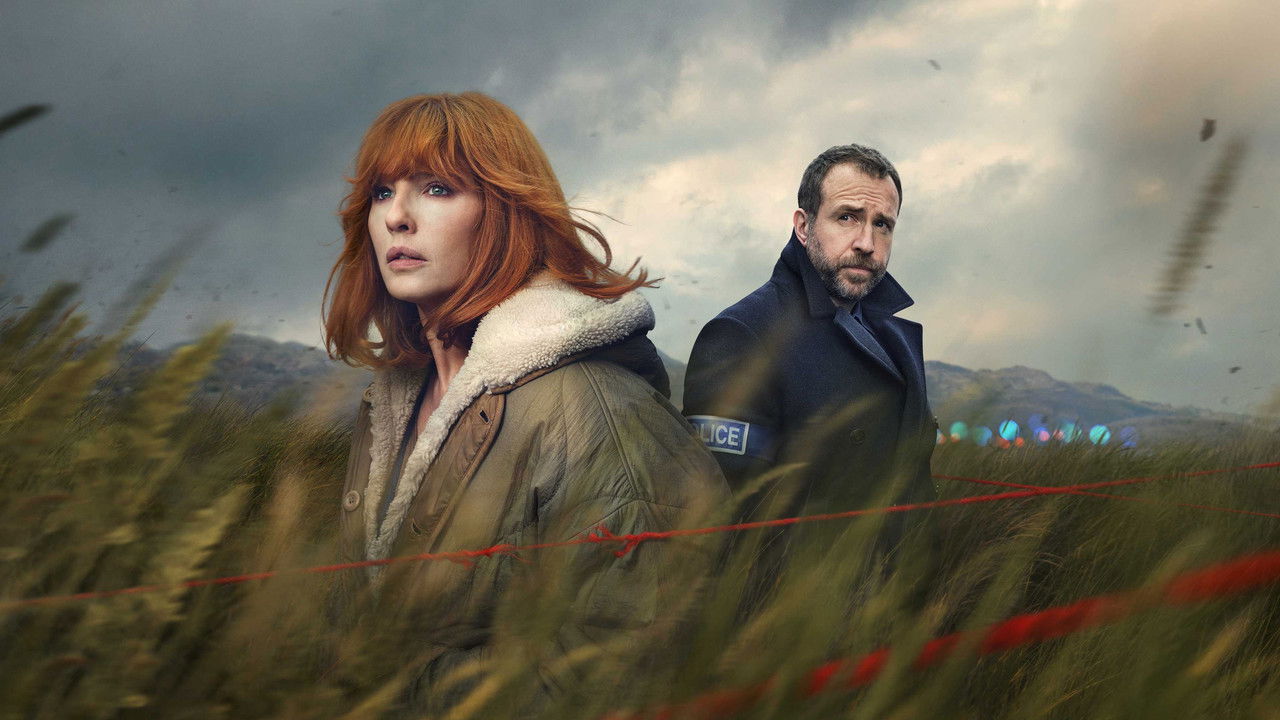
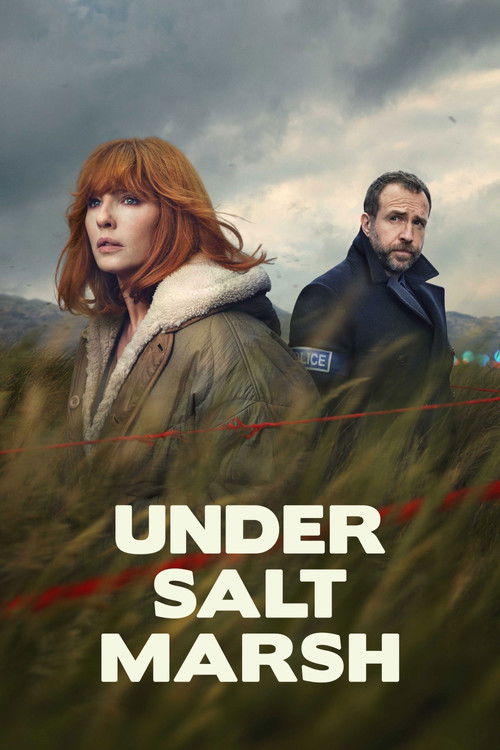
Visually, the series is a triumph of mood over mechanics. The cinematography does not just capture the landscape; it weaponizes it. The camera often lingers on the encroaching tide or the towering, oppressive mountains that pin the town against the sea. This is not the picturesque Wales of tourist brochures; it is a grey, desaturated purgatory where the horizon is always blurring into a coming storm. The "once-in-a-generation" tempest approaching the coast serves as a ticking clock, but it also functions as a potent metaphor for the internal storms raging within Jackie Ellis (Kelly Reilly). The relentless wind and rain create a soundscape that is often more articulate than the dialogue, a constant, low-frequency roar that suggests the world is literally washing away.
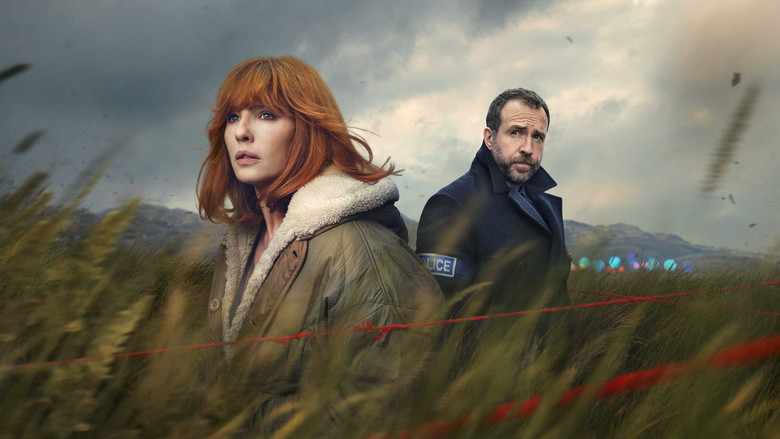
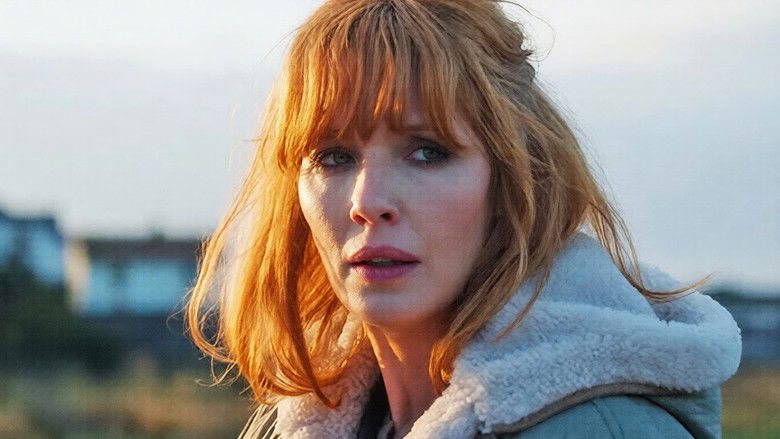
At the center of this maelstrom is Kelly Reilly, delivering a performance of raw, jagged edges. As Jackie, a former detective turned teacher, she carries the weight of a double trauma: the fresh horror of finding her pupil’s body and the festering wound of her niece’s disappearance three years prior. Reilly strips away the polished venom she perfected in *Yellowstone* to reveal something far more vulnerable and desperate. Her chemistry with Rafe Spall’s Detective Eric Bull is defined not by camaraderie, but by a shared, uncomfortable history of failure. Spall plays Bull with a stoic, almost brittle repression, a man trying to hold back the floodwaters of his own guilt. Their investigation feels less like a procedural puzzle and more like an excavation of their own damaged souls.
If the series stumbles, it is perhaps in its adherence to the genre’s structural beats. The "outsider" perspective, the red herrings, and the suspicious locals are tropes that even Oakley’s skilled direction cannot entirely refresh. However, the show transcends these limitations through its thematic ambition. *Under Salt Marsh* is profoundly concerned with what we leave behind—whether it’s the physical evidence threatening to be erased by the tide or the emotional debris of a tragedy that a community refuses to process. The looming evacuation of the town due to rising sea levels adds a layer of eco-anxiety that feels strikingly modern. It asks a haunting question: how do you solve a murder when the crime scene, and the town itself, are destined to disappear?
In the end, *Under Salt Marsh* is a gripping entry into the canon of "Welsh Noir." It is a story about the things we try to bury, and the terrifying certainty that the water will always, eventually, bring them back to the surface. It demands patience from its audience, but for those willing to brave the storm, it offers a chilling, humanist portrait of survival on the edge of the world.