The Crimson Weight of FatherhoodTo revisit the pantheon of Roberto Gómez Bolaños—"Chespirito"—is to tread on hallowed ground in Latin American culture. For decades, *El Chapulín Colorado* stood as a parodic antithesis to the American superhero: a figure defined not by power, but by a trembling, noble inadequacy. His heroism was found in the conquest of his own fear. In *Los Colorado*, the 2026 animated reimagining from Huevocartoon, the stakes of that fear have shifted. The Red Grasshopper is no longer merely surviving his own clumsiness; he is surviving the modern domestic condition.
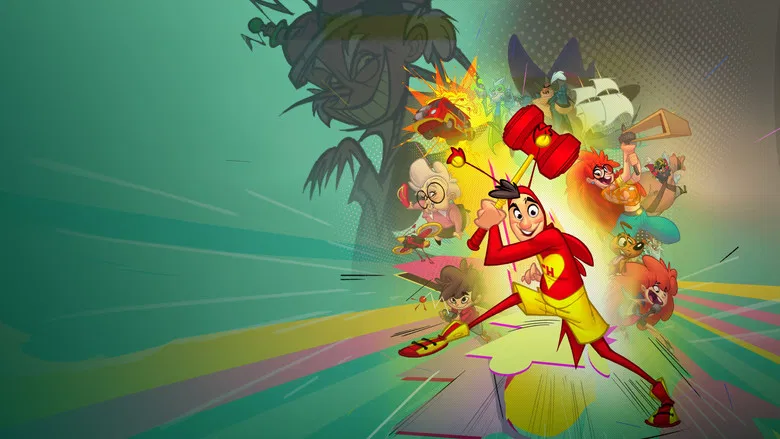
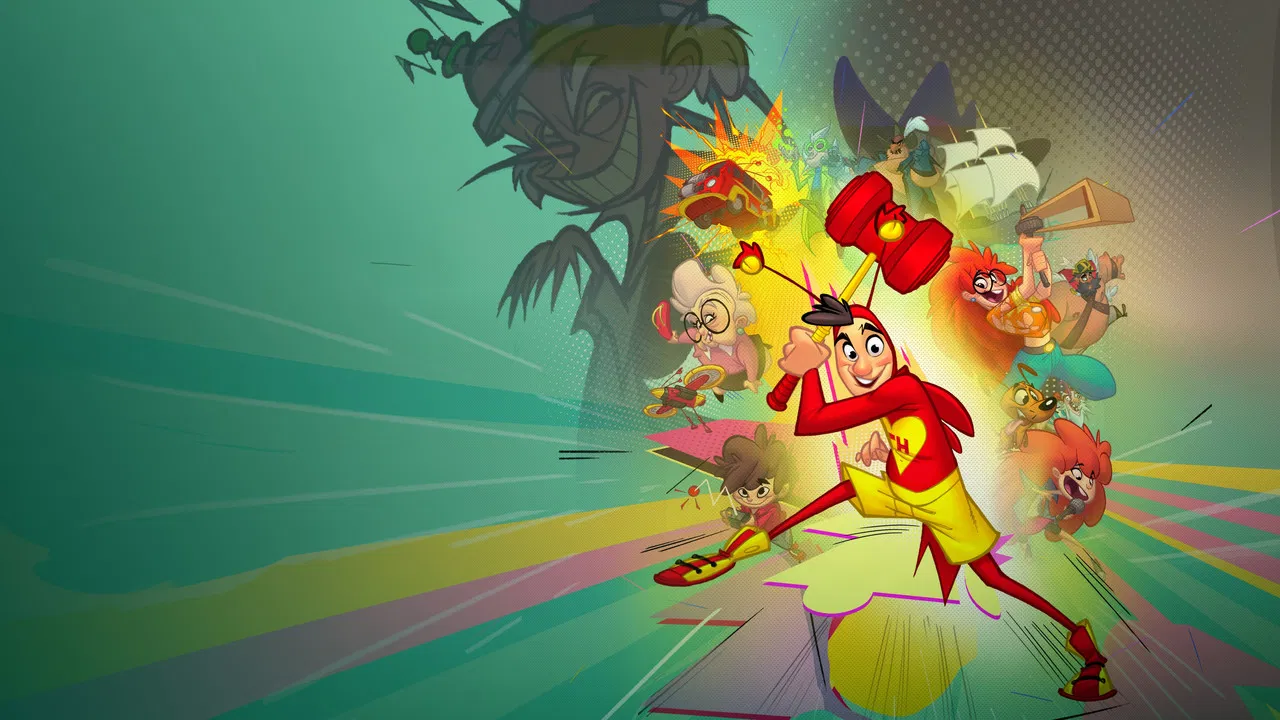
The series, directed by the Riva Palacio Alatriste brothers, attempts a dangerous high-wire act: modernizing a beloved icon without sanitizing the grit that made him human. Visually, the show rejects the pristine, plastic sheen of contemporary CGI in favor of a kinetic, comic-book aesthetic. The animation style feels hand-crafted, utilizing a "cutout" texture that pays homage to the low-budget charm of the original 1970s sitcom while injecting a fluidity that live-action never permitted. There is a deliberate roughness to the character outlines in Chaotic City, a visual language that mirrors the protagonist’s own frayed nerves. The colors are saturated but slightly worn, evoking the nostalgia of a Sunday morning broadcast viewed through the haze of memory.

However, the true evolution lies in the narrative structure. By granting Chapulín a family—his wife Sussy (Verónica Bravo) and children Lina and Bobby—the series recontextualizes his clumsiness. In the original sketches, his pratfalls were slapstick; here, they are manifestations of anxiety. We see this acutely in the pilot's standout sequence involving a "multiversal" Combi van. As Chapulín attempts to navigate the space-time continuum to attend both a mayoral ceremony and his children’s school events, the chaotic editing emphasizes not just the physical impossibility of the task, but the emotional fragmentation of the working parent. When he inevitably crashes, the tragedy isn't the physical pain, but the quiet look of disappointment from his daughter, Lina.
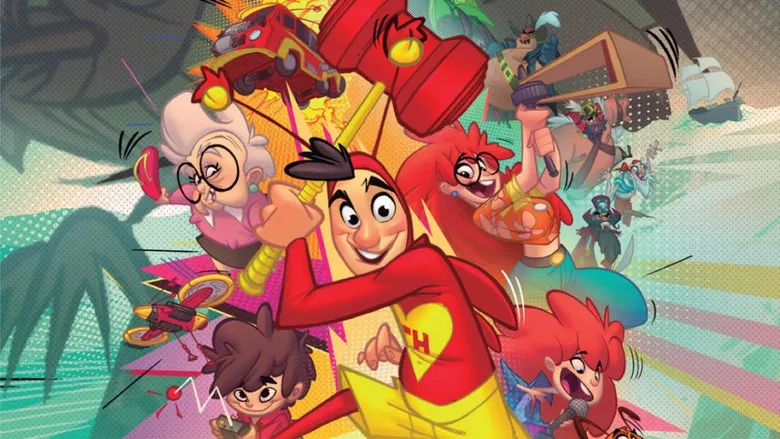
It is in these quiet moments that the voice performance of Jesús Guzmán shines. He does not simply mimic the cadence of Bolaños; he imbues the character with a weary warmth. The inclusion of the villain Tripaseca serves as a tether to the past, but the conflict is no longer just about defeating the "bad guy." It is about whether Chapulín can protect his family from the absurdity of his own life. The "Chipote Chillón" is still a weapon of blunt force, but it now feels like a heavy burden he must carry home at the end of the day.
Ultimately, *Los Colorado* succeeds because it understands that the essence of Chapulín was never the suit or the gadgets. It was his vulnerability. In an era where cinema is dominated by invincible gods, this series offers us a hero who is terrified of failing the people he loves—and that is a struggle far more compelling than any intergalactic battle. It is a tender, visually inventive addition to the canon that proves some legacies, no matter how clumsy, are worth preserving.