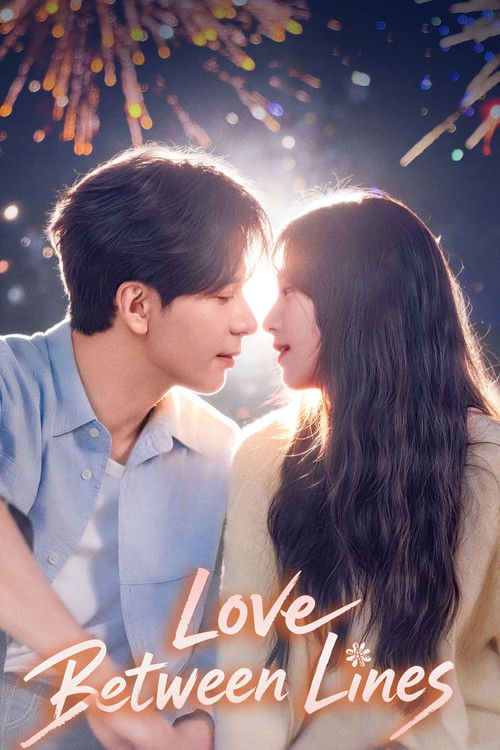
The Architecture of IllusionIn the landscape of modern Chinese cinema and television, the "Jubensha" (scripted murder mystery) has evolved from a social pastime into a narrative device of startling psychological weight. It is a space where the rules of reality are suspended, allowing the participants to wear masks that reveal more than their naked faces ever could. *Love Between Lines* (2026), directed by Shuang Yuan, steps into this arena not merely to play a game, but to dismantle the boundary between the roles we are assigned and the people we secretly long to be.
The premise is deceptively high-concept: Xiao Zhiyu (Chen Xingxu) and Hu Xiu (Lu Yuxiao) meet within the confines of a Republican-era mystery game—a world of trench coats, coded messages, and artificial snow. But Shuang Yuan, a director known for an aesthetic that often favors the ethereal and the romantic, here grounds the fantasy in a tactile, almost suffocating atmosphere. He understands that for the game to matter, the stakes must feel life-or-death, even when the bullets are blanks.
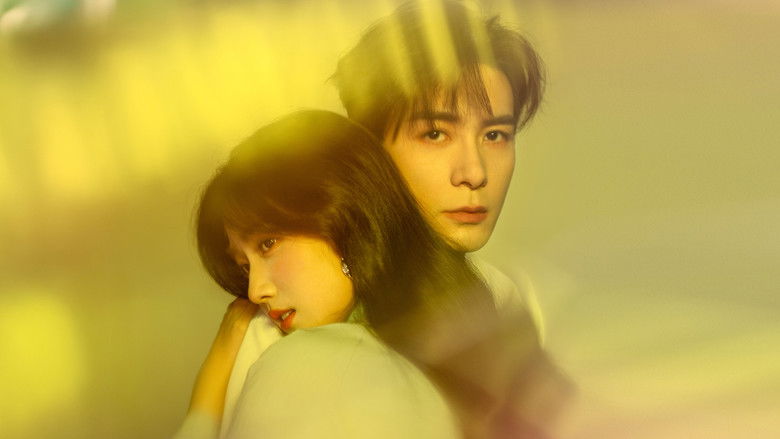
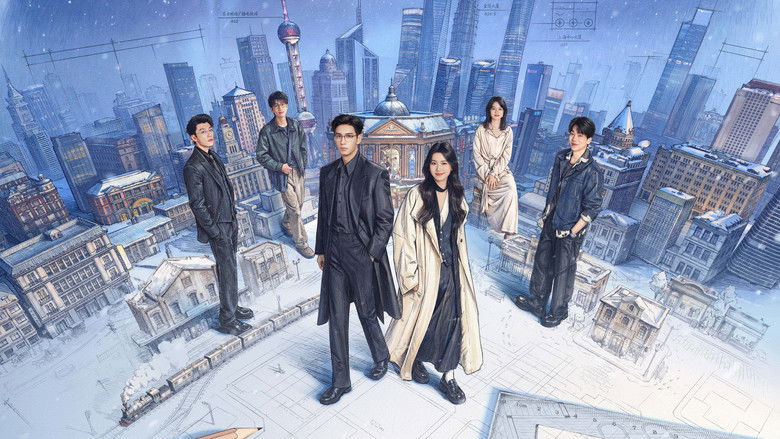
Visually, the film (presented here as a tight, cinematic series) operates on a binary of temperature. The game world of "Rong City" is rendered in high-contrast noirs and biting cold blues, a place where snow falls relentlessly to bury secrets. This is contrasted with the warm, flat, and often isolating lighting of the modern world where Hu Xiu and Xiao Zhiyu eventually reunite. The transition is jarring by design. When the "mask" of the warlord NPC slips off to reveal the actor underneath, the audience feels the same vertigo as the protagonist—a loss of the dramatic certainty that fiction provides.
Chen Xingxu delivers a performance of remarkable duality. As the game’s "General," he possesses a jagged, performative intensity; he is a man written to be feared. But as the actor Xiao Zhiyu in the real world, he strips away that armor to reveal a hesitance that is deeply human. It is a meta-commentary on acting itself: the character is most honest when he is lying, and most guarded when he is himself. Lu Yuxiao matches him with a grounded skepticism that slowly erodes. She plays Hu Xiu not as a passive damsel swept up in a fantasy, but as a modern woman using the game to process a grief she cannot articulate in her real life.
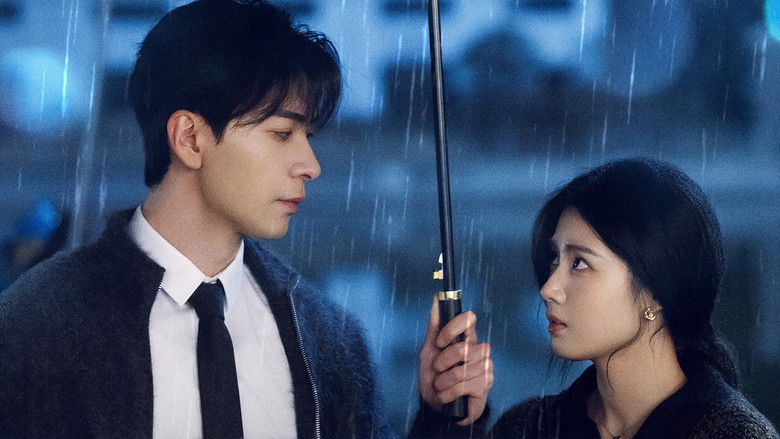
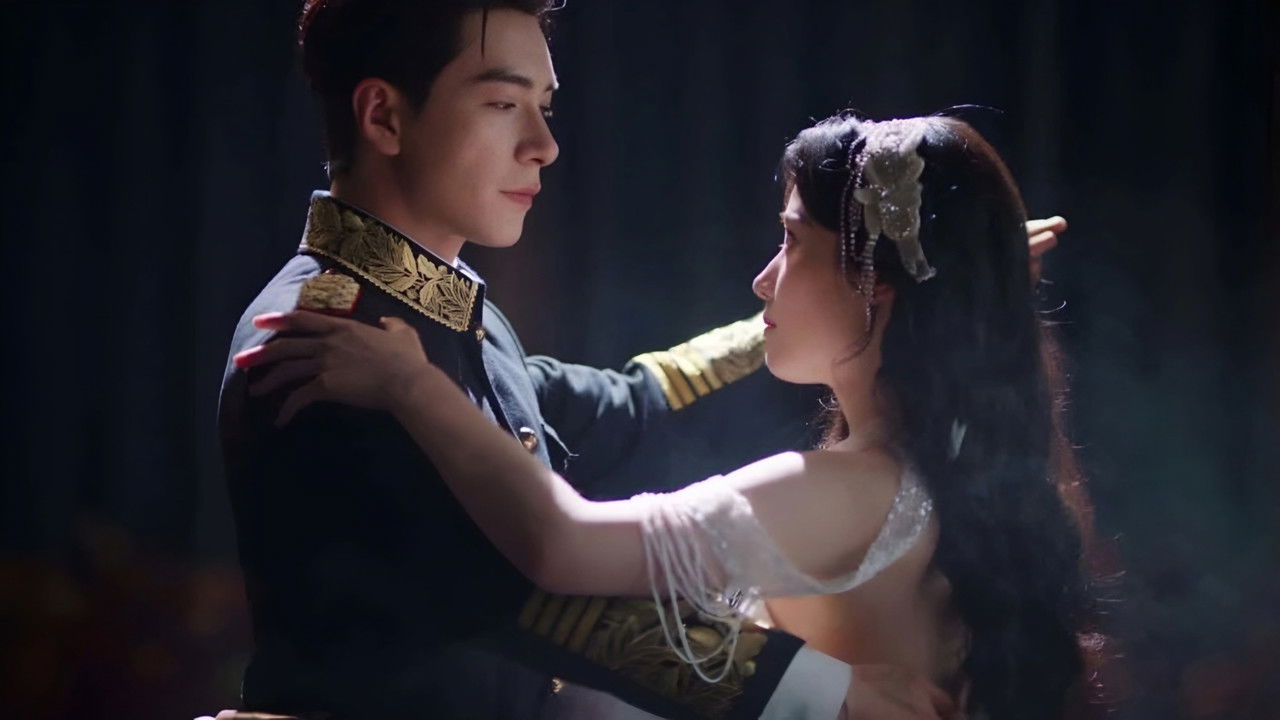
The film’s central conflict is the "bleed"—a LARP term for when a character's emotions osmose into the player. *Love Between Lines* argues that this bleed is not a glitch, but the point. In a standout scene, the two characters share a dance in the fictional Rong City. The dialogue is scripted, the setting is fake, yet the intimacy is the most authentic thing in the narrative. Shuang Yuan captures this with a claustrophobic intimacy, the camera lingering on hands and eyes, daring us to spot the moment where the script ends and the feeling begins.
Ultimately, *Love Between Lines* is less about solving a murder than it is about solving the mystery of connection in a digital age. We live in a time of curated avatars and digital personas. This film suggests that perhaps we need these fictions to practice the bravery required for reality. It is a sophisticated, visually arresting meditation on the lies that tell the truth.
 Verdict:
 A haunting and visually splendid deconstruction of identity that transcends its genre roots. Shuang Yuan crafts a romance that feels earned, not because of fate, but because the characters choose to carry their feelings out of the script and into the cold light of day.